Rewalsar Lake Travel Guide 2026: The Spiritual Heart of Mandi
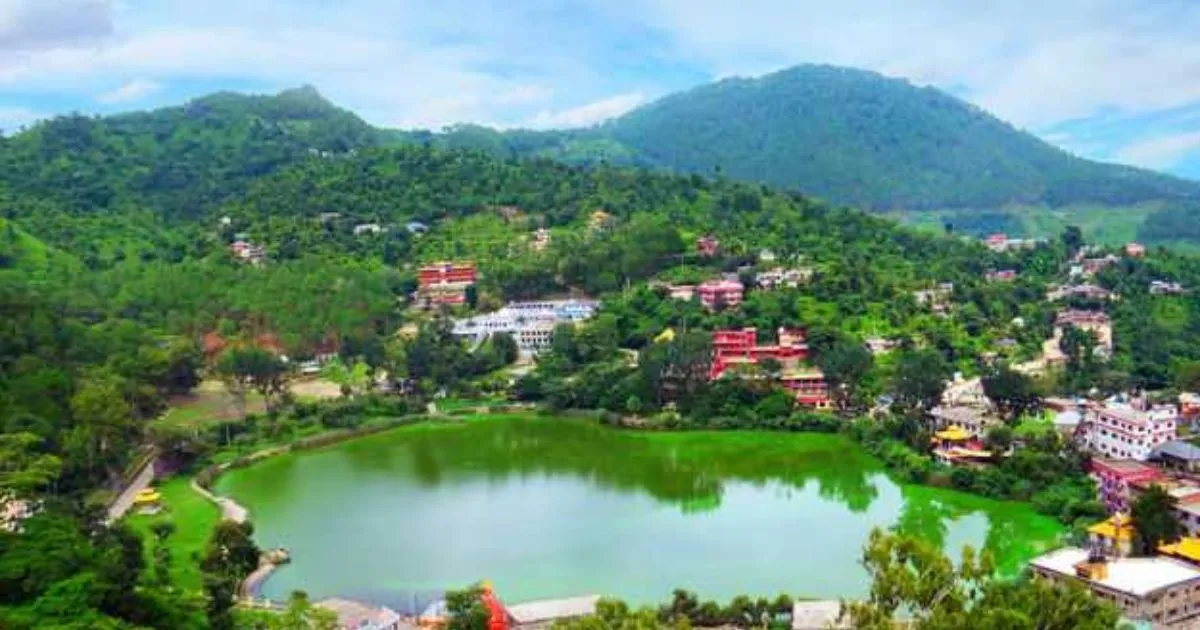
The Lake of the Lotus (Tso Pema)
In 2026, as travelers seek deeper meaning in their journeys, Rewalsar Lake has become a beacon for the spiritually curious. Known to Tibetans as Tso Pema, this square-shaped lake sits at 1,360 m., cradled by mountains that hold secrets thousands of years old. It is a rare “triple-thread” pilgrimage site, sacred to Buddhists, Hindus, and Sikhs alike.
1. The Legend of the Floating Islands
The most mesmerizing feature of Rewalsar is its floating islands of reed.
- The Buddhist Faith: Tibetan Buddhists believe these reeds are moved by the spirit of Guru Padmasambhava (Guru Rinpoche). Legend says the local King of Zahor tried to burn the Guru alive, but the funeral pyre turned into this lake, and the Guru manifested on a lotus in its center.
- The Hindu Faith: For Hindus, the lake is associated with Lomas Rishi, who performed penance here to Lord Shiva.
- The Sikh Faith: The Gurudwara Rewalsar Sahib commemorates the month-long stay of Guru Gobind Singh in 1701, who came here to seek support from local hill kings against the Mughals.
2. The Holy Caves: Inner Silence in 2026
A short, winding drive (or a steep hike) above the lake leads to the Padmasambhava Caves.
- The Experience: These are not just “tourist spots”; they are active meditation retreats. You’ll find nuns and monks in deep practice within the “Secret Cave” where Guru Rinpoche once meditated with Princess Mandarava.
- The Self-Arisen Tara: Look for the Zigar Monastery nearby, which houses a self-arisen stone believed to represent the goddess Tara—a major focal point for 2026 spiritual seekers.
3. The 123-Foot Colossus
Dominating the skyline is the Colossus of Padmasambhava. This massive statue was hand-built by artisans from Bhutan and Nepal. Standing at its base, you get a panoramic view of the entire valley, a perspective that perfectly balances the grand scale of the mountains with the intimacy of the lake town below.
4. Best Time to Visit and Local Festivals
To experience the true energy of Rewalsar, timing is everything:
- The Sisu Fair (February/March): A vibrant Tibetan festival featuring mask dances (Chaam) that celebrate the birth of Guru Rinpoche.
- Baisakhi: A major draw for Sikh and Hindu pilgrims.
- Ideal Weather: March to June offers clear blue skies, while October to November provides a crisp, golden atmosphere perfect for “Kora” (walking circles around the lake).
5. Insider Secrets: Eating and Staying
- The Kora Walk: Do not just look at the lake. Join the locals at dawn or dusk for a Kora. The rhythmic sound of prayer wheels and the “Om Mani Padme Hum” chant is the literal heartbeat of the town.
- The Food: Skip the standard menus and head to the small Tibetan kitchens for Thenthuk (hand-pulled noodle soup) and fresh Momos.
- The Stay: For an authentic 2026 experience, book a room at one of the Monastery Guest Houses (like Drikung Kagyu). The accommodations are simple, but waking up to the sound of morning gongs is a luxury no five-star hotel can match.
Conclusion
Rewalsar Lake is where the veil between the physical and the spiritual feels thinnest. Whether you are lighting a butter lamp in a cave or sitting by the water watching the reeds drift, you aren’t just visiting a place—you are entering a story that has been told for a millennium.
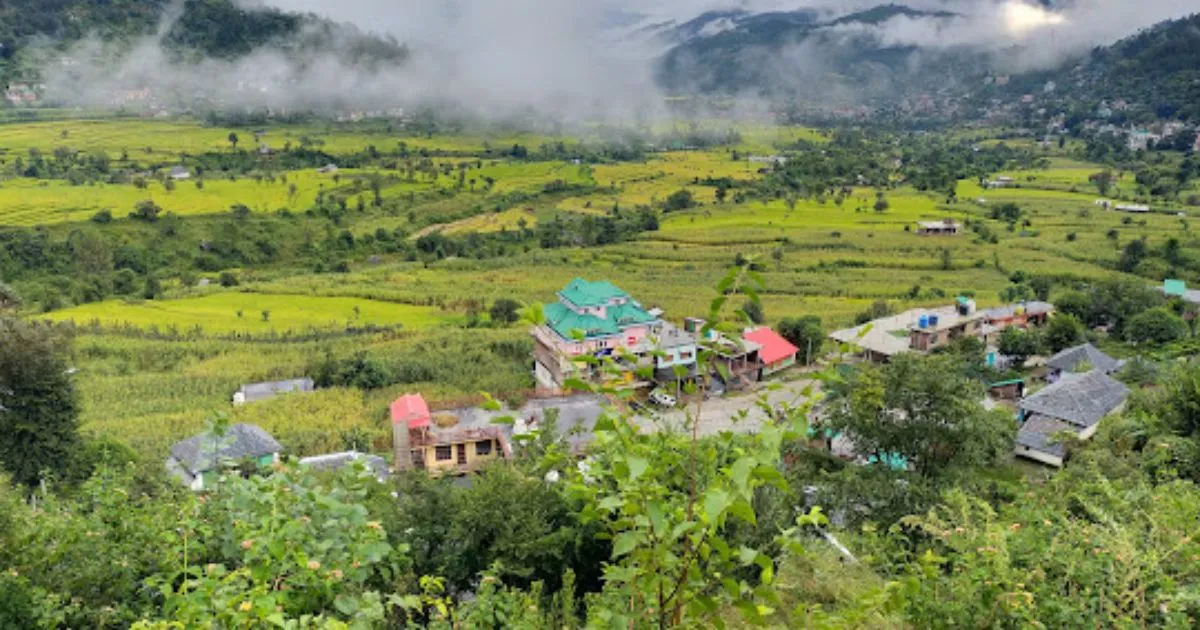
Mandi Travel Guide 2026
Explore the “Varanasi of Hills” with serene lakes, ancient temples, and breathtaking Himalayan landscapes in Himachal Pradesh.
Read Full Guide →