The Silent Epidemic: How Smartphone Addiction Is Quietly Killing Indian Relationships and Mental Health

A Love Affair With the Screen
In India, the smartphone isn’t just a gadget — it’s a lifeline.
From ordering groceries on Blinkit to sending money via UPI, from bingeing on OTT series to endless Instagram reels, our lives are tethered to the screen.
But there’s a hidden cost.
We’re starting to see the cracks — strained relationships, rising anxiety levels, sleep disorders, and an inability to be present even in intimate moments.
What was once a tool has quietly become a master.
The Numbers Don’t Lie
- India is the second-largest smartphone market in the world, with over 750 million users.
- According to a 2024 LocalCircles survey, 52% of urban Indians spend more than 4 hours a day on their phones outside of work use.
- The Indian Journal of Community Medicine found that 1 in 3 college students showed signs of smartphone addiction, with withdrawal symptoms similar to substance abuse.
How It’s Hurting Our Relationships
1. The Rise of ‘Phubbing’
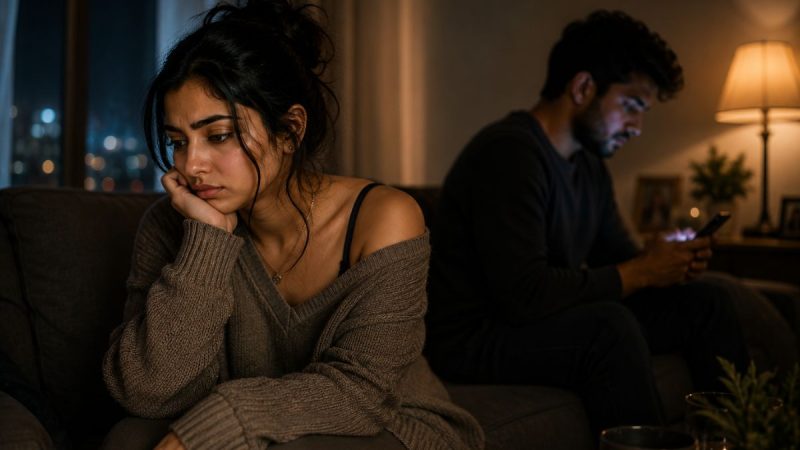
Phubbing — ignoring someone in front of you to check your phone — is now a daily reality in Indian households.
Couples fight over dinner-table scrolling. Parents scroll during playtime with their kids. Friends meet only to stare at separate screens.
Psychologists say phubbing sends a subconscious message: You’re less important than my phone.
2. Emotional Intimacy Erosion
WhatsApp forwards have replaced heart-to-heart conversations.
We may exchange 200 emojis a day, yet share fewer real emotions.
Over time, this erodes trust and closeness — two pillars of strong relationships.
3. Jealousy and Digital Surveillance
“Why didn’t you reply when you were online?”
“What were you doing at 2 a.m. on Instagram?”
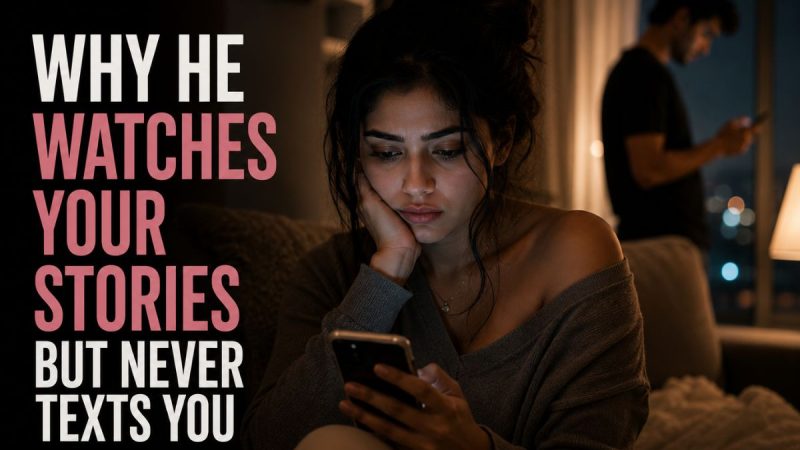
Indian couples increasingly monitor each other’s “last seen” and story views, breeding mistrust.
The Mental Health Fallout
1. Anxiety and Doomscrolling
Constant news alerts, viral tragedies, and online outrage overload our nervous system.
A 2023 NIMHANS study showed high screen time correlates with elevated anxiety and depressive symptoms among young Indians.
2. Sleep Disruption
Blue light from screens interferes with melatonin production, delaying sleep.
Scrolling till 2 a.m.? You’re not just losing rest — you’re impairing mood regulation and memory.
3. Dopamine Overload
Each notification is a dopamine hit. The brain gets hooked, craving more.
Over time, this rewires our reward system, making everyday pleasures feel dull.

Why India’s Case Is Unique
- Cheap Data Revolution: Thanks to Jio’s 2016 data war, internet access became dirt-cheap, skyrocketing usage.
- Cultural Shift: In a society where in-person dating is still tricky, social media became the default romance arena — leading to both connections and heartbreaks.
- Work-from-Home Boom: Post-COVID, work boundaries blurred, increasing non-stop connectivity.
Breaking the Cycle – Practical Solutions
1. Tech-Free Zones
Make bedrooms and dining tables phone-free.
It feels awkward at first, but you’ll be surprised at how quickly conversation returns.
2. Screen Time Tracking
Most smartphones now have built-in tools to track usage.
Aim to cut non-essential screen time by at least 30 minutes a week.
3. Digital Dates
Couples can schedule “no-phone” evenings — cook together, walk, or play a board game.
4. The 20-20 Rule
For every 20 minutes of screen time, look away at something 20 feet away for 20 seconds. It’s good for your eyes and mental reset.
5. Mindful Scrolling
Ask yourself before unlocking: Why am I picking up my phone right now?
If the answer is boredom, find a richer alternative.
The Bigger Picture
This isn’t about demonizing technology. Smartphones have given India unprecedented access to education, work, and opportunity.
But when they start replacing human connection and mental peace, it’s time to reassess.
As relationships fray and anxiety rises, our biggest challenge is not speed, storage, or 5G — it’s learning when to put the phone down.
Final Word: The next time you’re with someone you love, try this experiment — put the phone away and be fully present. You might just rediscover a kind of connection no app can match.