The Rise of ‘Soft Living’: Why Women Are Saying No to Hustle Culture
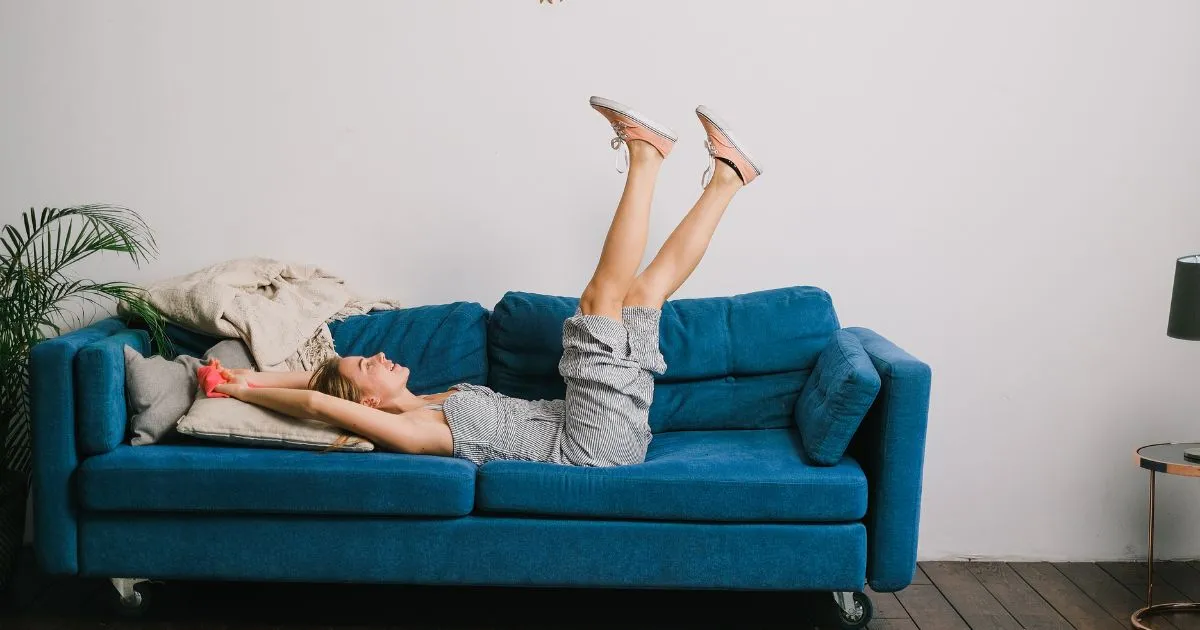
For years, women were told they could “have it all” a thriving career, a happy family, flawless looks, and a side hustle, all while staying sane. But as the pressure mounted, burnout became inevitable. Out of this exhaustion, a quiet rebellion has emerged. It’s called soft living, and it’s changing how women are approaching success, self-care, and life itself.
What Exactly Is ‘Soft Living’?
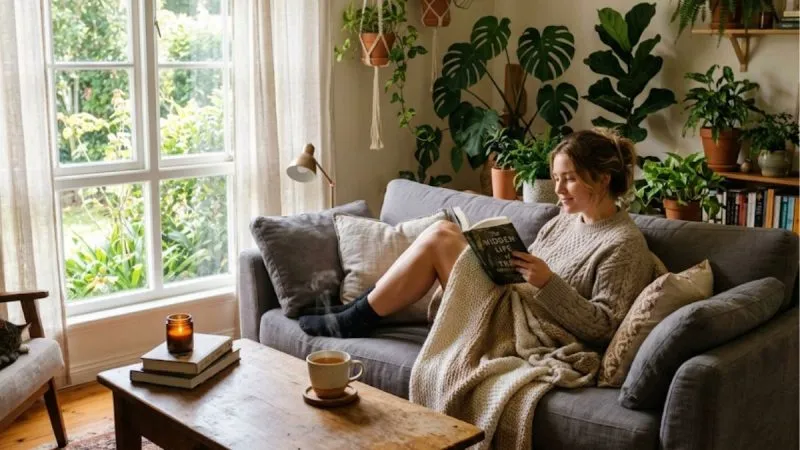
Soft living is not about being lazy, unambitious, or detached from reality as critics sometimes claim. Instead, it’s about choosing peace, joy, and balance over constant hustle and burnout. At its core, soft living is the art of creating a lifestyle where ease and intentionality replace chaos and overwork.
It means:
- Saying no to toxic jobs and unreasonable demands.
- Choosing rest without guilt.
- Investing time in activities that nurture your body and soul.
- Redefining productivity on your own terms.
Think of it as an antidote to the “rise and grind” mentality that dominated the 2010s, fueled by hashtags like #GirlBoss and #NoDaysOff. While those movements celebrated ambition, they often romanticized burnout. Soft living is the counterculture.
Why Women Are Walking Away from Hustle Culture
The rise of soft living is deeply personal, especially for women. For decades, hustle culture glamorized working late, sacrificing personal life, and equating exhaustion with success. But women, often balancing multiple roles—career, caregiving, household management, and emotional labor—found themselves paying the price.
Here’s why more women are saying “enough”:
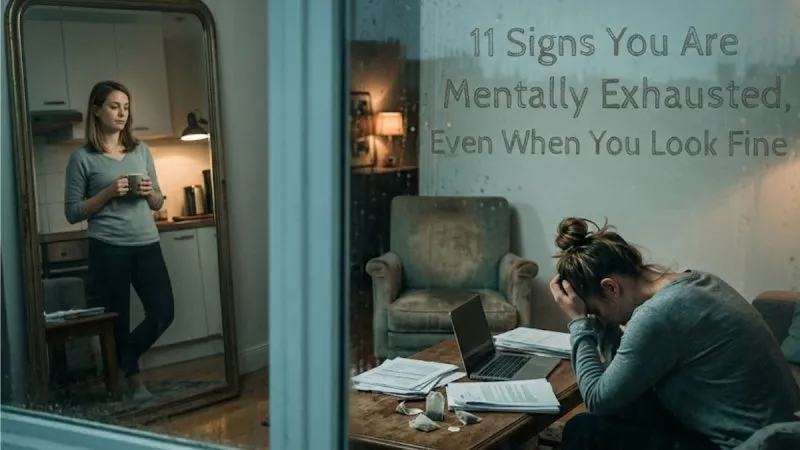
- Burnout is a silent epidemic.
Studies show women experience higher rates of stress-related health issues, from anxiety to autoimmune disorders, directly linked to overwork. - The pandemic was a wake-up call.
COVID-19 forced many to reevaluate priorities. Women, especially, were disproportionately affected by job losses, homeschooling, and caregiving—pushing them to reconsider what “success” truly means. - Social media glorification of hustle is wearing thin.
The endless stream of influencers preaching 5 a.m. wake-up calls and 14-hour workdays started to feel hollow. Many women began asking: Why are we aspiring to exhaustion? - Financial independence is taking new forms.
With the rise of remote work, freelancing, and passive income streams, women are carving new paths to financial stability without chaining themselves to the 9-to-9 grind.
Baby Essentials Pre-Birth Prep

Before you hold your baby in your arms, let’s wrap them in love with every little thing they’ll need.
These are carefully curated must-have baby essentials—handpicked with love, research, and real mom wisdom to prepare you for your little one’s arrival.
Explore the ChecklistWhat Soft Living Looks Like in Real Life
Soft living is deeply personal, it doesn’t look the same for everyone. For some, it’s moving to a quieter town and embracing slow mornings. For others, it’s maintaining boundaries in corporate life or quitting a toxic career altogether.
Examples of soft living practices include:
- Starting the day with yoga or journaling instead of doomscrolling.
- Choosing a flexible job that pays less but offers freedom and mental peace.
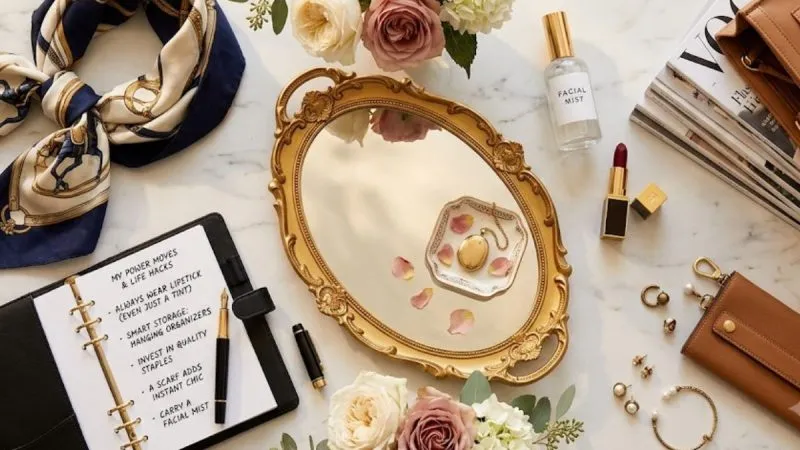
- Prioritizing skincare, nourishing meals, and long walks as non-negotiables.
- Creating “do-nothing” weekends without guilt.
- Spending money intentionally on experiences instead of accumulating more “stuff.”
In essence, soft living is about choosing what feels good long-term, not just what looks good on Instagram.

The Gendered Side of Hustle Culture
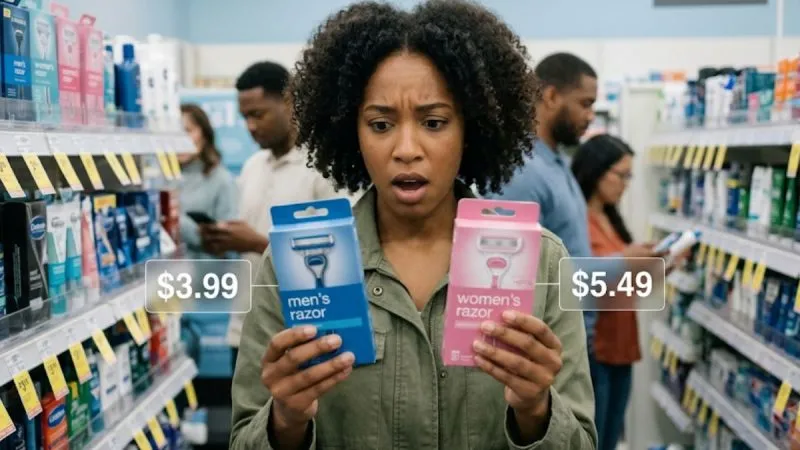
It’s worth noting: hustle culture has always hit women differently. While men were applauded for their “sacrifices” and long hours, women often faced a double standard, expected to excel at work while still carrying the bulk of childcare and home responsibilities.
Soft living, therefore, becomes a radical act of feminist resistance. By stepping out of toxic cycles, women are reclaiming time, energy, and agency.
The Criticism: Is Soft Living Just Privilege in Disguise?
Critics argue that soft living is a luxury reserved for those with financial stability, supportive partners, or generational wealth. After all, it’s easier to “say no to hustle” when you can afford the bills.
But here’s the nuance: soft living doesn’t have to mean luxury spa days or tropical vacations. For many women, it’s as simple as:
- Refusing unpaid overtime.
- Taking mental health days without shame.
- Setting boundaries with toxic family members.
- Choosing rest instead of constant self-optimization.
In other words, soft living is not about money, it’s about mindset.
What’s Next: The Future of Soft Living
The movement is only growing. On TikTok and Instagram, hashtags like #SoftLife and #SoftLiving are exploding, with millions of women sharing their journeys toward gentler, more intentional lifestyles.
Even brands and workplaces are taking notice. Companies are introducing flexible work models, wellness initiatives, and mental health support—not out of kindness alone, but because women are demanding it.
Soft living is not a trend. It’s a cultural shift. As more women embrace this philosophy, we may finally begin to see a society that values balance as much as achievement.
Final Thought
The rise of soft living isn’t about abandoning ambition. It’s about redefining success on your own terms. For women who’ve been told for decades to “do it all,” the act of slowing down is nothing short of revolutionary.
Soft living isn’t weakness. It’s strength in disguise; the strength to choose peace, joy, and self-worth over exhaustion and endless striving.