Married but Lonely: The Hidden Epidemic in Modern Relationships

Marriage has long been painted as the ultimate symbol of companionship, a promise that no one will ever feel alone again. Yet behind closed doors, countless women (and men) are living a reality they never expected: being married but profoundly lonely. It’s a quiet epidemic that rarely makes headlines, but it shapes the emotional landscape of modern relationships in devastating ways.
When Togetherness Turns Into Isolation
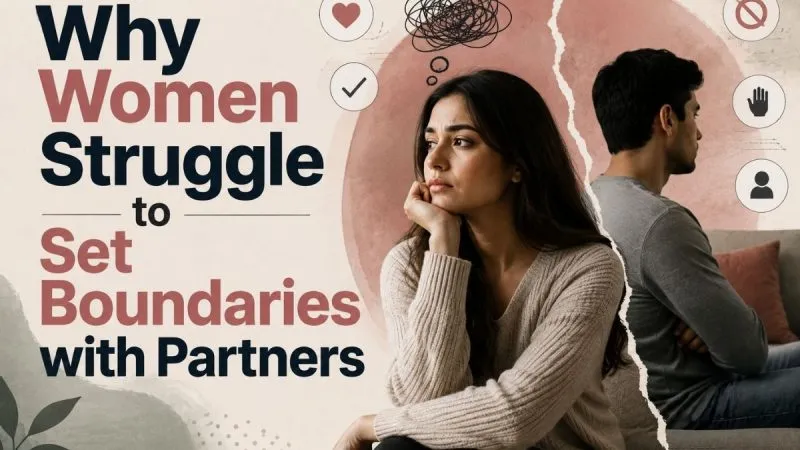
Loneliness in marriage doesn’t always look like fights, betrayals, or abuse. In fact, many lonely marriages appear “perfect” from the outside. The couple attends family functions together, posts smiling selfies, and raises children under one roof. Yet behind the smiles, there’s silence at the dinner table, disconnection in the bedroom, and the sinking feeling that your partner is a stranger.
Psychologists call it emotional neglect: when your needs for affection, attention, and intimacy are ignored, not because of dramatic hostility but because of indifference or distance. Over time, this quiet void can feel heavier than conflict.
“It’s not that we fight,” one woman confided in a counseling session. “It’s that we don’t talk at all. I could leave for three days, and I don’t think he would even notice.”
Why Are So Many People Lonely in Marriage?
Several cultural and psychological shifts have created this epidemic:
1. The Myth of “Having It All”
Modern women are juggling careers, caregiving, households, and societal expectations. They are exhausted, craving connection at home, but many partners assume busyness means contentment.
2. Emotional Illiteracy in Men
Generations of men were raised to suppress emotions, making it difficult for them to express vulnerability, affection, or empathy. This leaves their wives feeling unseen, unheard, and unwanted.
3. Digital Distractions
Phones, streaming platforms, and endless social media feeds have replaced pillow talk. Couples share physical space but live in different digital worlds.
4. Sexual Disconnect
For many, sex becomes routine, transactional, or nonexistent. Without physical intimacy, emotional closeness often evaporates too.
5. The Pressure to Keep Up Appearances
Divorce still carries stigma, so many choose to stay, masking their loneliness under a façade of “everything’s fine.”
The Silent Toll on Women
Women in lonely marriages often describe feeling invisible. Studies show they’re more prone to anxiety, depression, and even physical health issues like weakened immunity and chronic fatigue. Loneliness, after all, isn’t just an emotion, it’s a health risk.
One 42-year-old woman put it bluntly: “I am married, but I feel like a ghost in my own home. My body is here, but my soul has no partner.”
Some retreat inward, finding solace in work, hobbies, or friendships. Others quietly drift into emotional affairs, seeking the intimacy they’re starved of. And then there are those who stay, numbing themselves to a life of quiet discontent.

What’s Changing? The New Conversations Around Marriage
Thankfully, more people are starting to speak openly about this hidden epidemic. Therapists, women’s groups, and even online forums are naming what many have felt for decades: being married does not guarantee being loved.
- Couples therapy is shedding stigma, allowing spouses to learn emotional communication.
- Women’s movements are empowering wives to demand more than just financial support, they want partnership.
- Podcasts and social media communities are giving lonely spouses a voice, making them realize they’re not alone in their isolation.
Can Loneliness in Marriage Be Fixed?
The answer isn’t simple. For some couples, reconnecting is possible through therapy, honest conversations, and conscious effort. For others, the loneliness reveals deeper incompatibilities that no amount of effort can bridge.
Here are a few steps experts recommend:
- Name the Loneliness – Silence keeps the void growing. Saying, “I feel lonely in this marriage” can be the first courageous step.
- Seek Counseling – Professional help can open communication channels many couples can’t unlock alone.
- Redefine Intimacy – Intimacy isn’t just sex; it’s sharing fears, dreams, laughter, and small acts of care.
- Evaluate Your Choices – For some, choosing themselves through separation or divorce is the path to healing.
The Courage to Say “I Deserve More”
Loneliness in marriage isn’t about being “ungrateful.” It’s about acknowledging that companionship without connection is a half-life. Women, especially, are increasingly refusing to live unseen. They are rewriting the narrative of marriage not as a contract of survival, but as a partnership of genuine presence.
Marriage is supposed to be the place where you are most known, most safe, and most cherished. Anything less isn’t just loneliness, it’s abandonment in disguise.