10 Indian Street Foods That Deserve Michelin Stars
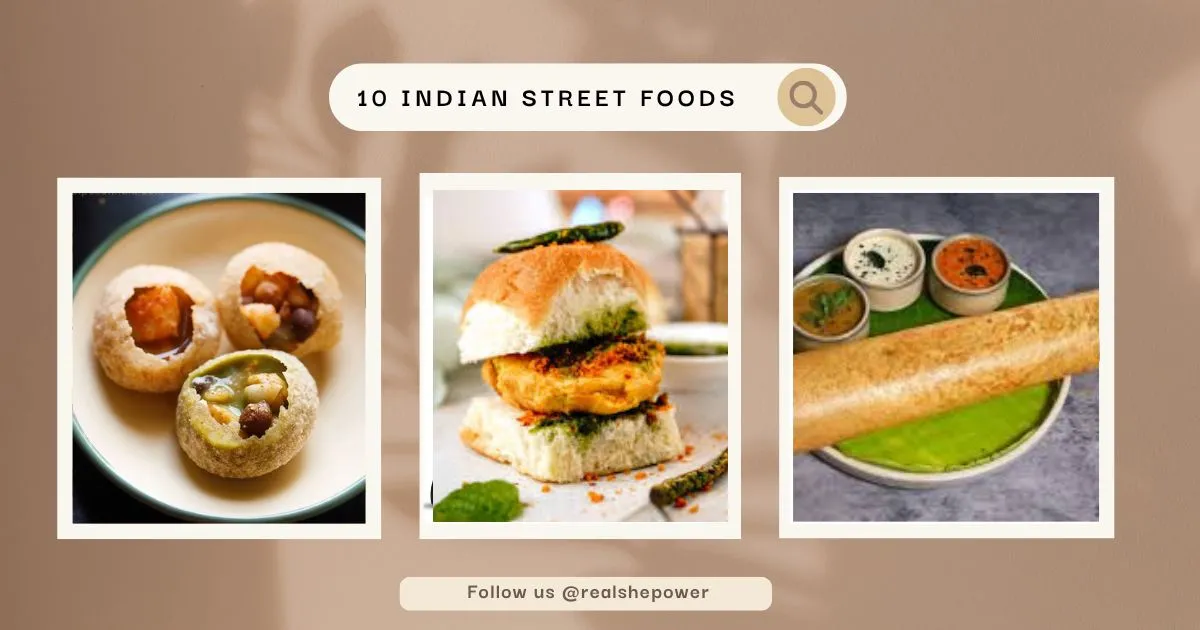
When we think of Michelin stars, our minds often wander to French fine dining, Japanese kaiseki, or molecular gastronomy at some hidden European corner. But what if I told you that some of the most Michelin-worthy dishes in the world are not plated on porcelain with gold dust, but served steaming hot in steel plates, banana leaves, or recycled newspaper sheets on the bustling streets of India?
India’s street food culture is a living, breathing tapestry of history, migration, spices, and innovation. Each region has its heroes: fiery chaats in Delhi, buttery pavs in Mumbai, coconut-laced dosas in Chennai, kebabs sizzling in Lucknow, and sweets dripping in syrup in Kolkata. While the world is now waking up to India’s culinary diversity, locals have always known: street food here is not just cheap eats, it’s gastronomy in its raw, most authentic form.
So, here’s a Michelin-inspired journey through 10 Indian street foods that deserve to be on the world’s culinary stage.
1. Pani Puri / Golgappa / Puchka – The One-Bite Explosion
No Indian food story can begin without mentioning pani puri, the crown jewel of street food. Known by many names such as puchka in Bengal, golgappa in Delhi, and pani puri in Mumbai, it’s a proof that genius lies in simplicity.
A hollow, crisp puri is cracked open, stuffed with spicy mashed potatoes or chickpeas, and dunked into tangy tamarind water spiked with cumin, chili, and black salt. In that one bite, you get crunch, spice, sourness, sweetness, and a rush of cold liquid.
Why Michelin-worthy? Because it’s flavor engineering at its finest. The balance is precise: too little filling, and it’s bland; too much, and it bursts before reaching your mouth. The spice water must hit the perfect note of sour-sweet-heat. No molecular gastronomy can match this symphony in one bite.
In Mumbai, pani puri vendors guard their spice-water recipes like Michelin chefs guard their sauces. In Kolkata, puchkas come with a sharp hit of mustard oil that could rival any French vinaigrette. This dish isn’t just a snack, it’s an art form.
2. Pav Bhaji – India’s Answer to Haute Comfort Food
Imagine a dish that can comfort a child, impress a foreign tourist, and satisfy a late-night hunger pang all at once. That’s pav bhaji. Born on the streets of Mumbai as a quick meal for mill workers in the 1850s, it has grown into a national obsession.
At its heart, pav bhaji is a buttery mash of spiced vegetables, cooked down to a smooth gravy and served with soft, butter-laden bread rolls (pav). A squeeze of lime, a sprinkle of onions, and suddenly this humble dish becomes a flavor bomb.
Why Michelin-worthy? Because it embodies the power of technique over luxury ingredients. Just as French chefs elevate simple potatoes into pommes purée, Indian street vendors transform leftover vegetables into a dish worthy of royalty. In fact, the bhaji’s complexity, the layers of chili, turmeric, ginger, garlic, and garam masala would put many fine-dining “sauces” to shame.
Walk through Mumbai’s Juhu Beach, and you’ll see pav bhaji being whipped furiously on giant iron tawas. The aroma alone could draw a Michelin inspector from across continents.
3. Kolkata Kathi Roll – The World’s Finest Wrap
Forget burritos and shawarmas—India invented the ultimate handheld luxury in the form of the Kolkata kathi roll.
It began in the kitchens of Nizam’s in the 1930s, where kebabs were wrapped in flaky parathas to serve British officers who didn’t want greasy fingers. What started as convenience is now a cult favorite: charred kebabs or spicy paneer tucked into buttery, egg-coated parathas with onions, chilies, and chutneys.
Why Michelin-worthy? Because it’s street-level innovation that rivals the world’s best fast food. Each bite carries smoke from the tandoor, richness from the paratha, tang from the chutneys, and heat from the green chilies.
Globally, food critics have begun hailing the kathi roll as a “luxury street food.” If served on a fine plate with a drizzle of aioli, it would fit right into a three-star menu in New York or Paris. But truth be told, the magic lies in eating it on a Kolkata street corner, with grease dripping and flavors exploding.

4. Lucknow Tunday Kababi – A 100-Spice Secret
If Michelin awards points for history, technique, and sheer dedication to craft, then Lucknow’s Tunday kababs deserve a lifetime achievement award.
These melt-in-your-mouth kebabs trace back to the 17th century, when Nawabi kitchens demanded refinement and finesse. The story goes that Haji Murad Ali, a one-armed cook (hence “Tunday”), created the galouti kebab so tender that even toothless Nawabs could enjoy meat.
Made with minced meat and a secret blend of over 100 spices, these kebabs disintegrate at the touch of the tongue. The recipe has been passed down for generations, guarded fiercely by families.
Why Michelin-worthy? Because it’s a dish where science, art, and history converge. The slow marination, precise temperature control, and perfect texture rival the precision of French confit or Japanese sushi.
For true food travelers, a visit to Lucknow’s Tunday Kababi is as essential as dining at a Michelin three-star in Paris.
5. Vada Pav – Mumbai’s Humble Burger with Global Swagger
If McDonald’s had invented vada pav, it would have been a billion-dollar global product. Instead, it was created by a street vendor near Dadar station in the 1960s as a quick, affordable bite for the working class.
At first glance, it’s simple: a spiced potato fritter sandwiched inside a pav with chutneys and fried chilies. But one bite reveals genius—the crisp vada, the pillowy pav, the sharp garlic chutney, and the surprise hit of green chili.
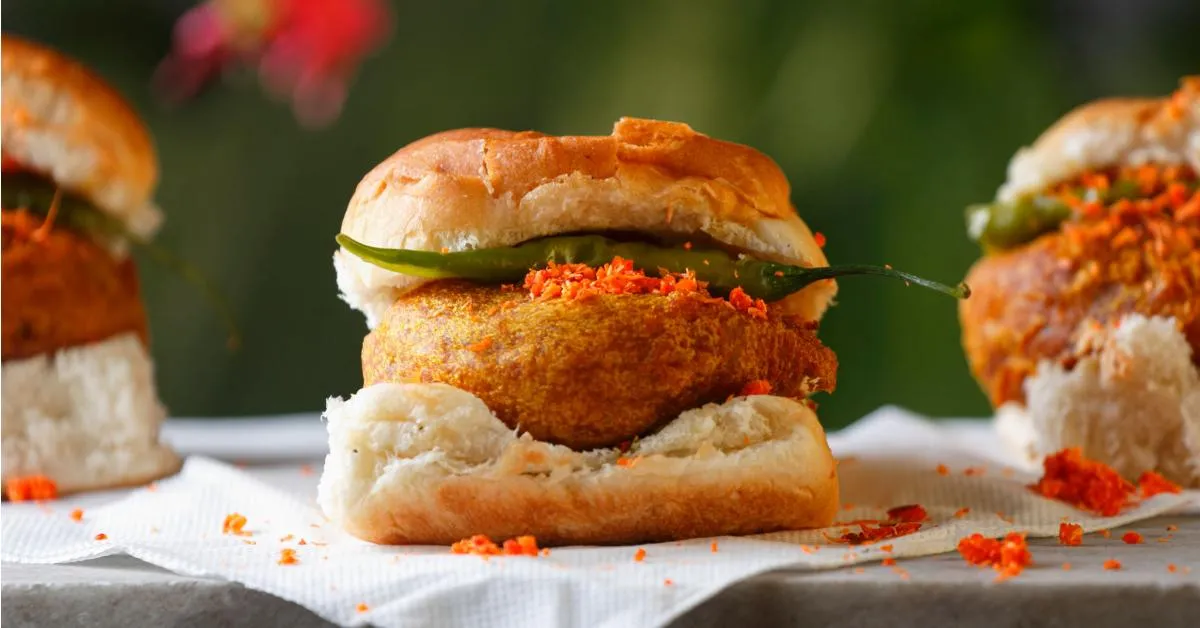
Why Michelin-worthy? Because it’s India’s gourmet burger without the price tag. No truffle, no wagyu beef, yet it satisfies more deeply than any fancy patty. The balance of flavors and textures is perfection in its rawest form.
Vada pav isn’t just food; it’s Mumbai’s cultural identity. Politicians, CEOs, film stars, and taxi drivers all share this one dish as their city’s heartbeat.
6. Masala Dosa – A Crepe That Redefines Breakfast
South India’s gift to the world is the dosa, but not just any dosa—the golden, crisp masala dosa. Thin as lace yet large as a steering wheel, it’s a fermented rice and lentil crepe filled with a spiced potato curry. Served with coconut chutney and sambar, it’s a breakfast that could be mistaken for fine dining.
Why Michelin-worthy? Because the dosa is culinary precision disguised as simplicity. The batter requires fermentation at the perfect temperature, the griddle needs exact heat, and the dosa must be paper-thin yet sturdy enough to hold its filling.
A dosa is not just food, it’s architecture. Crunchy outside, soft inside, with flavors that balance spice, tang, and comfort. No wonder global chefs from New York to Copenhagen are experimenting with dosas on modern menus.
7. Kolkata Mishti Doi – Dessert Worth Its Own Star
Move over crème brûlée and panna cotta India’s mishti doi (sweet yogurt) is a dessert that rivals them all.
Made by caramelizing sugar in milk, setting it with yogurt culture, and allowing it to ferment overnight in earthen pots, mishti doi is velvety, slightly tangy, and irresistibly sweet. Its slow-making process and cultural heritage make it more than dessert, it’s poetry in a pot.
Why Michelin-worthy? Because it embodies patience and restraint. No flashy garnish, no gimmicks. Just perfect technique and tradition passed through centuries.
Served chilled in clay pots, mishti doi is proof that sometimes the most divine desserts are born not in five-star hotels but in humble sweet shops of Bengal.
8. Hyderabadi Haleem – A Royal Legacy on the Streets
During Ramadan in Hyderabad, you’ll see long lines outside small stalls selling haleem a dish that takes hours to prepare but seconds to vanish from the plate.
Made from wheat, lentils, meat, ghee, and spices, slow-cooked until it reaches a paste-like consistency, haleem is rich, hearty, and deeply satisfying. The technique of pounding meat into the stew until silky smooth is a craft in itself.
Why Michelin-worthy? Because it’s labor-intensive gastronomy with royal lineage. Introduced by Arab traders, perfected by Hyderabad’s royal kitchens, and now sold on streets, it bridges worlds.
Served with fried onions, fresh coriander, lemon wedges, and a drizzle of ghee, haleem is both comfort food and regal indulgence.
9. Kachori with Aloo Sabzi – North India’s Breakfast Symphony
Travel through Uttar Pradesh or Rajasthan, and you’ll see morning crowds around kachori stalls. Puffy, deep-fried bread stuffed with lentils or spiced peas, paired with fiery potato curry, and often sweetened with tamarind chutney, this is breakfast as theatre.
Why Michelin-worthy? Because it’s layered complexity disguised as rustic food. The kachori’s crispness, the curry’s heat, the chutney’s sweetness, it’s a flavor rollercoaster.
Michelin inspectors praise “balance and harmony” in dishes. This humble breakfast delivers exactly that, with an added cultural punch of tradition and nostalgia.
10. Jalebi – The Caramelized Crown Jewel
Finally, no Indian food journey is complete without the golden spirals of jalebi. Deep-fried fermented batter swirled into coils, soaked in saffron sugar syrup, and served hot—it’s crunchy outside, syrupy inside, and addictive beyond measure.
Why Michelin-worthy? Because it’s the ultimate balance of technique, texture, and indulgence. Making jalebi requires mastery, fermentation for the perfect tang, frying at precise temperature, syrup consistency that coats but doesn’t drown.
In Varanasi or Delhi, jalebi is eaten with milk or rabri. In Madhya Pradesh, it’s breakfast with poha. In luxury hotels, chefs reinvent it with champagne syrups. But truthfully, its magic lies in that first bite, syrup dripping down your fingers.
Why Street Food Deserves Michelin Stars
India’s street food is often dismissed as “cheap eats,” but in reality, it embodies the very values Michelin claims to prize: technique, creativity, consistency, and cultural authenticity.
These dishes may not arrive in white porcelain under silver domes, but they carry centuries of craft, heritage, and innovation. For millions, they are not just meals but identities, rituals, and love stories on a plate.
The next time you bite into a pani puri, tear through a pav bhaji, or savor a kathi roll, remember: you’re tasting food that deserves the same reverence as any Michelin-starred masterpiece.
Because sometimes, true luxury isn’t foie gras or caviar, it’s a jalebi dripping with syrup on a bustling Indian street corner.