MS Subbulakshmi: A Life of Music, Devotion, and Breaking Barriers
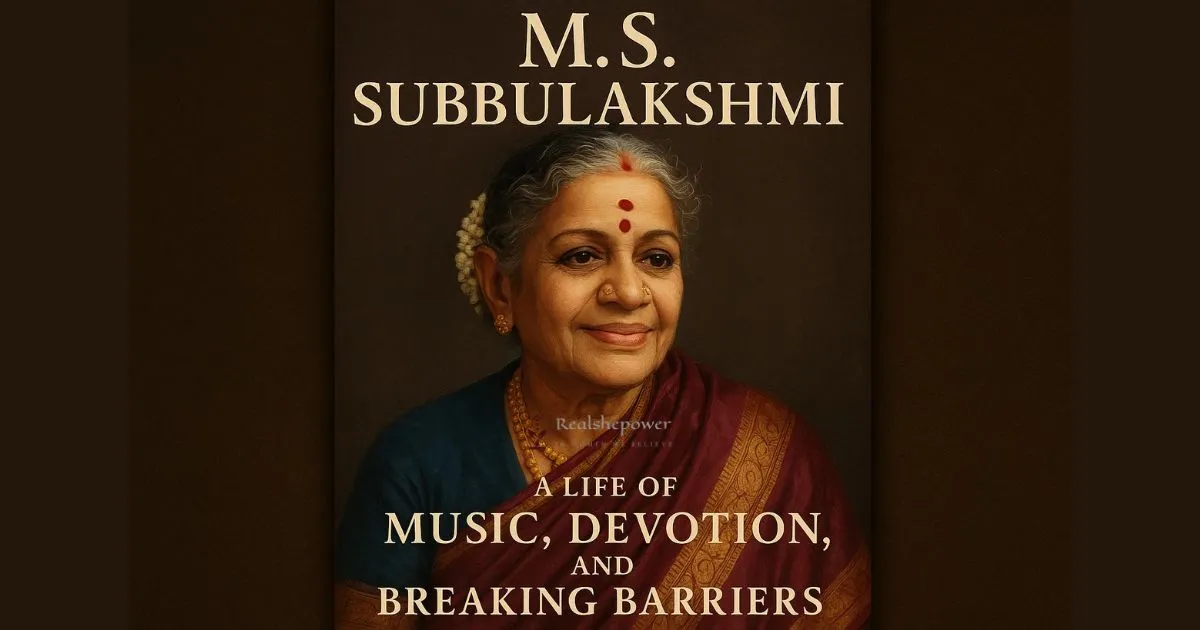
If you ask anyone in India to name the voice of devotion, the chances are high they will say one name without hesitation: MS Subbulakshmi. Known as the ‘Nightingale of India,’ Subbulakshmi’s music was not just melody, it was an experience. Her voice had the rare power to make even the most restless soul pause, listen, and feel something deep within. But behind that serene, divine voice was a woman who broke traditions, faced hardships, and redefined what it meant to be a female artist in India.
This is not just the story of a singer. It is the story of a woman who carried centuries of Carnatic tradition on her shoulders, while also stepping into spaces where women were never allowed. It is about how she became the first Indian musician to win the Bharat Ratna, about how she sang at the United Nations, and about how she turned bhajans like “Vishnu Sahasranamam” and “Bhaja Govindam” into household prayers. And yet, it is also about her struggles, her silence on many personal battles, and the quiet dignity with which she lived.
Born in the Music Capital
Subbulakshmi was born in 1916 in Madurai, Tamil Nadu, in a family where music was not just livelihood but life itself. Her mother, Shanmugavadivu, was a veena player who performed at temple festivals. Her grandmother too was musically inclined. For little Kunjamma, as Subbulakshmi was fondly called, music was not something she learned in a classroom. It was the sound of life around her; the veena strings her mother plucked, the temple bells she heard daily, and the devotional songs that echoed through the lanes of Madurai.
Yet, her childhood was not one of luxury. She was born into the devadasi tradition, where women often faced stigma despite their deep association with arts and culture. Subbulakshmi knew from a young age that her music had to be extraordinary, not just to gain respect, but also to protect her dignity in a society that often judged women from her background harshly.
By the time she was just 11, she gave her first public performance. The audience was stunned. Here was a child, barely a teenager, who sang with the maturity of an old soul. Her voice had clarity, purity, and a devotional depth that felt beyond her years.
Breaking Into a Male-Dominated World
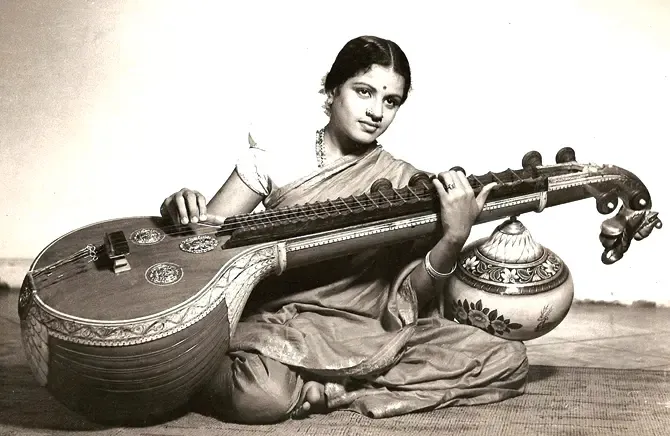
Carnatic music in the early 20th century was dominated by men. Women were often discouraged from public performances, and if they did sing, they were rarely given platforms equal to their male counterparts. Subbulakshmi, however, did not just enter this world, she conquered it.
Her debut at the prestigious Madras Music Academy at the age of 13 was a turning point. She was the youngest performer and yet, after that performance, she was no longer seen as a child prodigy. She was seen as a serious artist. The critics, who were often harsh with newcomers, praised her without reservation. This was rare. It signaled that a new star had arrived.
But what made her journey remarkable was not just her talent. It was her determination to remain dignified and disciplined in an industry where women were constantly tested. She refused to be swayed by fame or glamour. Her sarees were simple, her jewelry minimal, and her focus was singular: the purity of music.
Cinema and Wider Recognition
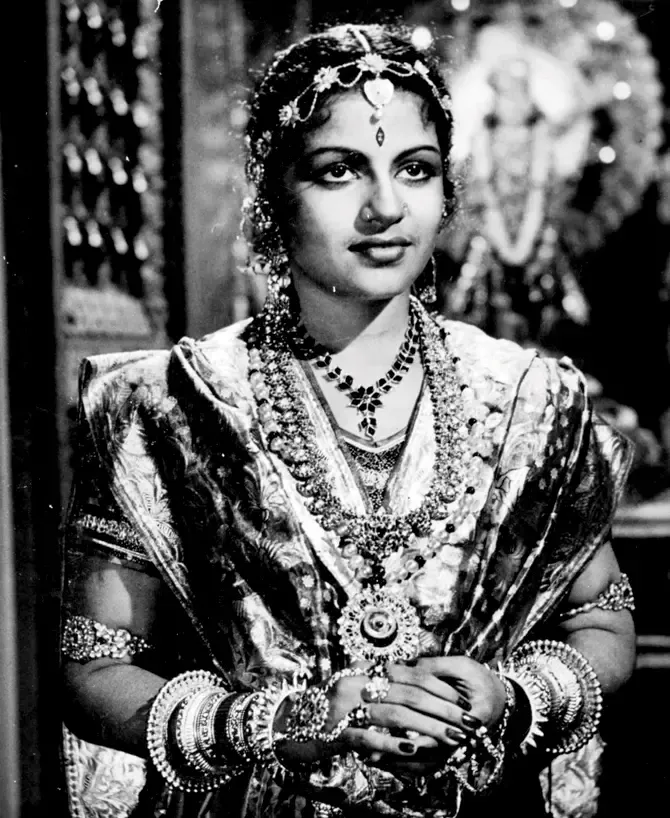
Interestingly, Subbulakshmi also dabbled in cinema, though briefly. In the 1930s and 40s, she acted in Tamil films like Sevasadanam and Meera. These were not ordinary films. They carried strong social messages about women’s rights, morality, and devotion.
The film Meera, in particular, became iconic. Subbulakshmi’s portrayal of the saint-poet Meera was not just acting, it was embodiment. When she sang “Hari Tuma Haro” in that film, people believed it was not cinema, it was prayer. So powerful was her performance that even Mahatma Gandhi was moved. In fact, it is said that Gandhi personally requested her to sing that bhajan for him.
Her entry into films was also significant because it made her music accessible to ordinary people beyond the elite circles of Carnatic concerts. Housewives, farmers, workers everyone could watch her films and hear her songs. For many, she became the bridge between classical music and popular devotion.
Marriage and Partnership
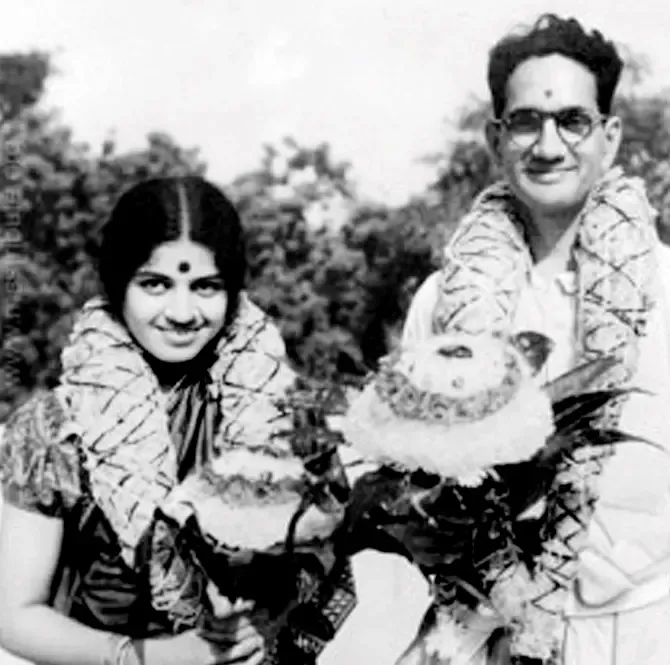
Subbulakshmi’s marriage to T. Sadasivam in 1940 was another defining moment. Sadasivam was a freedom fighter, a journalist, and a visionary. He recognized Subbulakshmi’s genius and made it his life’s mission to ensure that her art reached the world.
Unlike many husbands of that era, Sadasivam was not threatened by his wife’s fame. Instead, he became her manager, her protector, and her biggest supporter. He organized her concerts, arranged tours, and made sure she was not exploited by the music industry. Their partnership was based on respect, and it gave Subbulakshmi the space to focus entirely on her art.
Voice of Devotion
What set Subbulakshmi apart from other singers was her ability to make devotional songs feel deeply personal. When she sang the “Vishnu Sahasranamam,” it was not just recitation, it was meditation. When she sang Meera bhajans, it felt as if she herself was the saint, surrendering everything to Krishna.
Her concerts were less about performance and more about spiritual experience. People would cry, pray, and even sit in silence, feeling transformed by her voice. Scholars admired her technical precision, but ordinary listeners loved her because she touched their hearts.
Her voice carried a rare emotional power. It was disciplined yet free, devotional yet universal. Even those who did not understand Sanskrit or Tamil could feel its pull.
International Recognition
In 1966, MS Subbulakshmi achieved something extraordinary: she sang at the United Nations General Assembly in New York. For an Indian woman from Madurai to stand before global leaders and sing bhajans was historic. She introduced the world to the richness of Indian classical music and spirituality.
From that moment, she was no longer just India’s pride. She became a global cultural ambassador. She toured extensively, performing in London, Tokyo, Canada, and the Far East. At every stage, she carried not just her music, but also the dignity of Indian womanhood.
Awards and Achievements
Subbulakshmi’s contributions did not go unrecognized. She received the Padma Bhushan in 1954, the Padma Vibhushan in 1975, and finally, the Bharat Ratna in 1998 India’s highest civilian honor. She was the first musician to be awarded the Bharat Ratna, which itself tells you how extraordinary she was.
She also became the first woman to be honored as the Sangita Kalanidhi by the Madras Music Academy, one of the highest honors in Carnatic music. To this day, she remains a benchmark for every aspiring Carnatic vocalist.
A Life of Simplicity and Silence
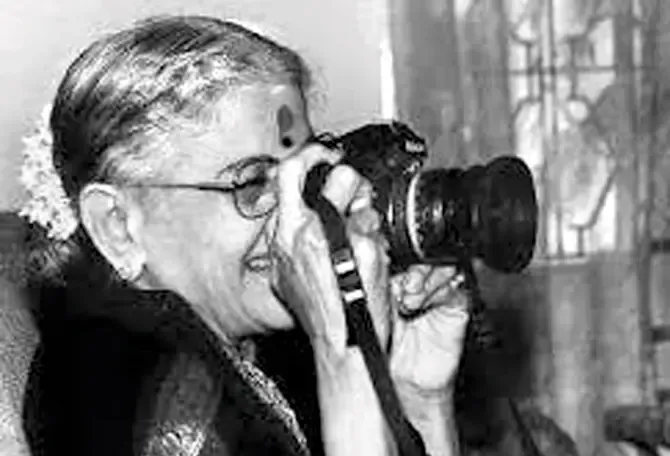
Despite her global fame, Subbulakshmi remained remarkably simple. She lived quietly, dressed modestly, and rarely spoke in public. Her humility was legendary. Many say that she never considered herself great, she only considered herself as a devotee offering music to God.
But her silence also hid her struggles. Being a woman in the devadasi tradition, breaking into elite music circles, facing personal losses including the death of her husband, and bearing the pressures of fame, all of this was not easy. Yet she rarely complained. Instead, she let her music speak for her.
Legacy Beyond Music
Subbulakshmi passed away in 2004, but her legacy lives on. Today, her recordings are played in temples, homes, and concerts around the world. Every generation rediscovers her voice and feels something timeless in it.
But her true legacy is larger than music. She showed that women could rise above societal barriers with dignity. She proved that art, when pursued with sincerity, can touch hearts across cultures. And she gave India a voice that still feels divine.
Why Her Story Matters Today
In today’s world of instant fame and viral sensations, Subbulakshmi’s story is a reminder that greatness is built on discipline, devotion, and humility. She did not chase fame; she chased perfection in her art. She did not brand herself; she allowed her music to create her identity.
For women especially, her life holds lessons. She broke free from stigmas, she commanded respect in male-dominated spaces, and she chose her dignity over commercial glamour. She embodied strength, not in loud declarations, but in quiet persistence.
Final Reflection
MS Subbulakshmi was not just a singer; she was a phenomenon. She was tradition and modernity, devotion and discipline, humility and greatness all rolled into one. Her story is not only about Carnatic music, it is about India, about women, and about the eternal power of sincerity.
If you have ever listened to her voice, you know it is unforgettable. And if you have not, perhaps it is time. Because in her music lies a truth that words can never fully capture. A truth that is as much about God as it is about the power of a woman who turned her life into a song of devotion.