
The Catastrophe of Complacency: Yuvraj Mehta’s Death and Greater Noida’s Unanswered Cry for Justice
The fog has lifted from Greater Noida, but the chilling silhouette of a submerged SUV and a desperate young man’s final plea remains etched in our collective memory. Yuvraj Mehta, a 27-year-old bright spark, a son, a fiancé, drowned in a neglected pit in Sector 150. His death was not an accident; it was a catastrophe. And what has followed in its wake – a flurry of suspensions, FIRs, and “investigations” – feels, disturbingly, like no action at all.
For too long, we, the citizens, have been conditioned to accept reactive measures as genuine accountability. A high-profile tragedy occurs, a few heads roll, a committee is formed, and the cycle of neglect continues. Yuvraj’s death demands a rupture in this cycle. It demands that we, especially those of us championing women’s and community power, recognize that inaction disguised as administrative maneuvering is the most insidious form of injustice.
The Anatomy of a Catastrophe: More Than Just a Drowning
Yuvraj’s death was catastrophic on multiple levels:
- The Catastrophe of Foresight Failure: This pit wasn’t a sudden sinkhole. It was an abandoned excavation, a known hazard for nearly two years. Residents had complained. A truck had damaged the same wall just days prior. Every single warning signal was ignored. This wasn’t oversight; it was a deliberate disregard for human life by both the developers and the overseeing Authority.
- The Catastrophe of Emergency Response Paralysis: The 90 minutes Yuvraj spent fighting for his life, while trained professionals stood on the bank citing “cold water” and “submerged rods,” is a moral failing that cuts deeper than any bureaucratic inefficiency. It exposes a chilling lack of courage, training, and perhaps, even basic humanity within our first response systems. What good are “smart cities” if their citizens are left to die metres away from help?
- The Catastrophe of Administrative Alibis: The immediate response – the CEO’s suspension, the junior engineer’s termination, the FIRs against developers – while seemingly swift, feels largely performative. These actions address symptoms, not the root disease. They are designed to quell public outrage, not to fundamentally dismantle the culture of negligence that allowed the pit to exist in the first place.
Why “Action” So Far Is Not Enough
Let’s be unequivocal: merely removing a few officials and filing FIRs against corporations, while necessary, is not enough. It’s like putting a band-aid on a gaping wound.
- Suspension vs. Accountability: Suspending an official often means they are transferred to another department or quietly reinstated once the public memory fades. True accountability would involve a transparent judicial inquiry into their past performance, asset declaration, and a permanent ban from holding public office if gross negligence is proven.
- FIRs vs. Convictions: FIRs against powerful real estate developers are often bogged down in lengthy legal battles. History is replete with examples where such cases are either diluted, settled out of court, or simply gather dust. Justice for Yuvraj requires diligent prosecution and swift convictions, setting a precedent that profits cannot be prioritized over human lives.
- SIT Reports vs. Systemic Overhaul: The SIT report might meticulously document the failures of that night, but will it lead to a systemic overhaul of how urban construction sites are monitored? Will it mandate uniform safety standards across all development authorities? Will it ensure that “resolved” complaints are actually resolved, not just digitally marked? Without these structural changes, another Yuvraj is just waiting to happen.
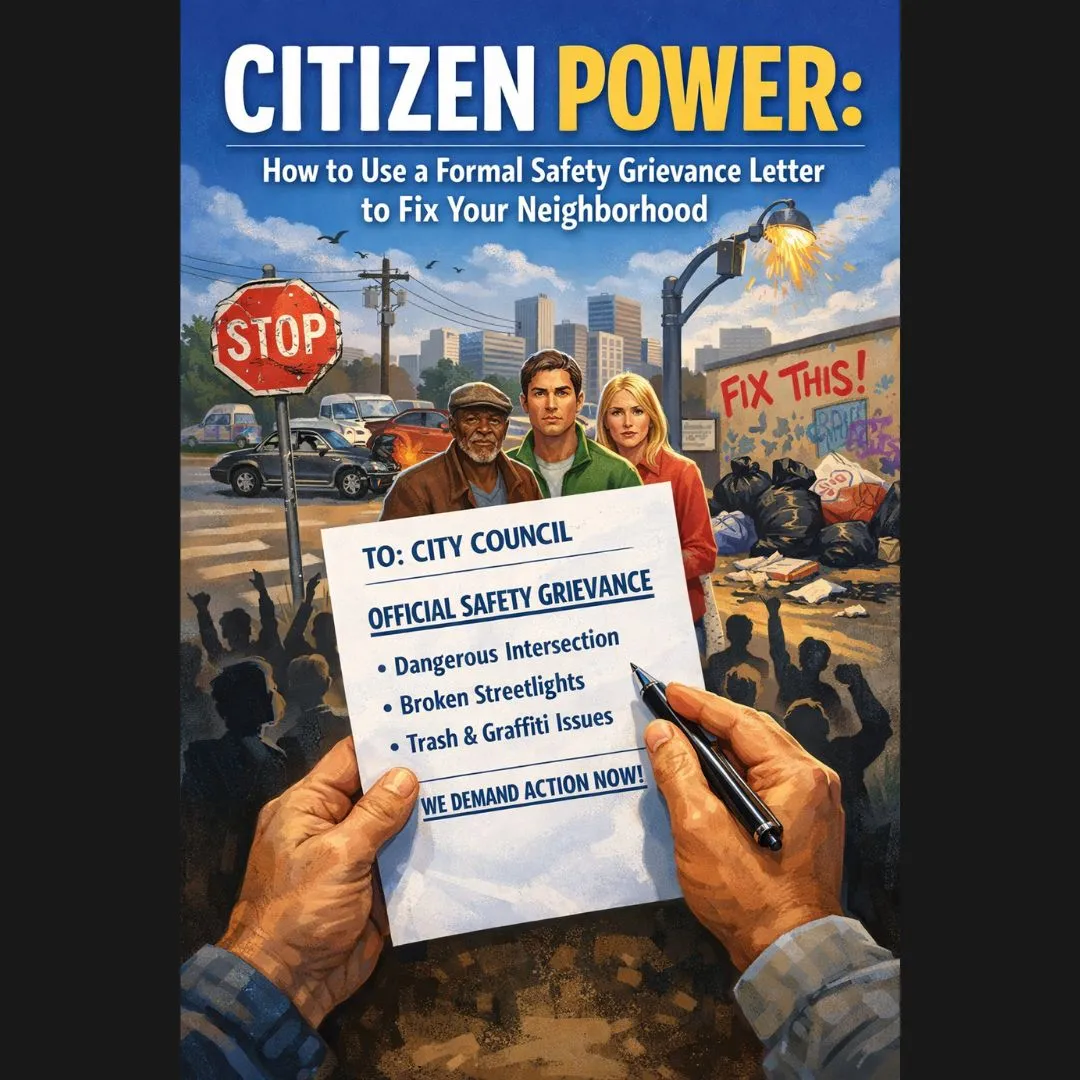
Citizen Power: Using a Formal Safety Grievance Letter
A clear, actionable guide to holding authorities accountable and fixing safety issues the right way.
RealShePower’s Call: For a “Yuvraj’s Law” that Transforms, Not Just Reacts
This tragedy should ignite a fierce, collective demand for permanent change. For RealShePower, a platform committed to empowering communities and holding power accountable, Yuvraj’s death is a stark reminder that safety is a fundamental right, and its absence disproportionately affects the vulnerable.
We demand a “Yuvraj’s Law” – a comprehensive legislative and policy framework that goes beyond knee-jerk reactions:
- Zero-Tolerance for Unsecured Sites: All abandoned or active construction sites must have concrete, impenetrable barriers, 24/7 security, and mandatory real-time CCTV monitoring linked to the Municipal Corporation. Failure to comply should result in immediate heavy fines and project seizure.
- Mandatory Water Rescue Training: Every police station and fire department in urban areas, especially those with numerous water bodies or excavation sites, must have a dedicated, well-equipped, and regularly trained water rescue unit. This training must be mandatory and ongoing, not an optional skill.
- Whistleblower Protection and Reward: Encourage citizens to report hazardous sites through easily accessible digital platforms with incentives and protection for those who raise concerns, ensuring their warnings are taken seriously.
- Independent Safety Audit Authority: Establish a fully independent body, separate from local development authorities, to conduct regular, unannounced safety audits of all urban infrastructure and construction sites. Their findings must be publicly accessible and legally binding.
- Fast-Track Legal Justice: Create special fast-track courts to hear cases of negligence leading to death, ensuring that justice is swift and perpetrators are held accountable without endless delays.
The Human Cost of Complacency
Let us not forget the human cost behind these policy discussions. Yuvraj Mehta was a son whose parents are now haunted by his final, desperate words. He was a partner whose dreams of a shared future are shattered. His story is a poignant reminder that every life lost due to systemic failure is a gaping wound in the fabric of our society.
If Yuvraj’s death simply results in a few bureaucratic shuffles, then we, as a society, have failed him again. No amount of “action” is enough if it doesn’t fundamentally transform the systemic apathy that allowed a young man to drown in a preventable pit.
It is time for Greater Noida, and indeed all our urban centers, to demand more than just apologies. It is time to demand a safe, accountable, and truly smart city – one where no light goes out due to sheer negligence again.
MUST READ
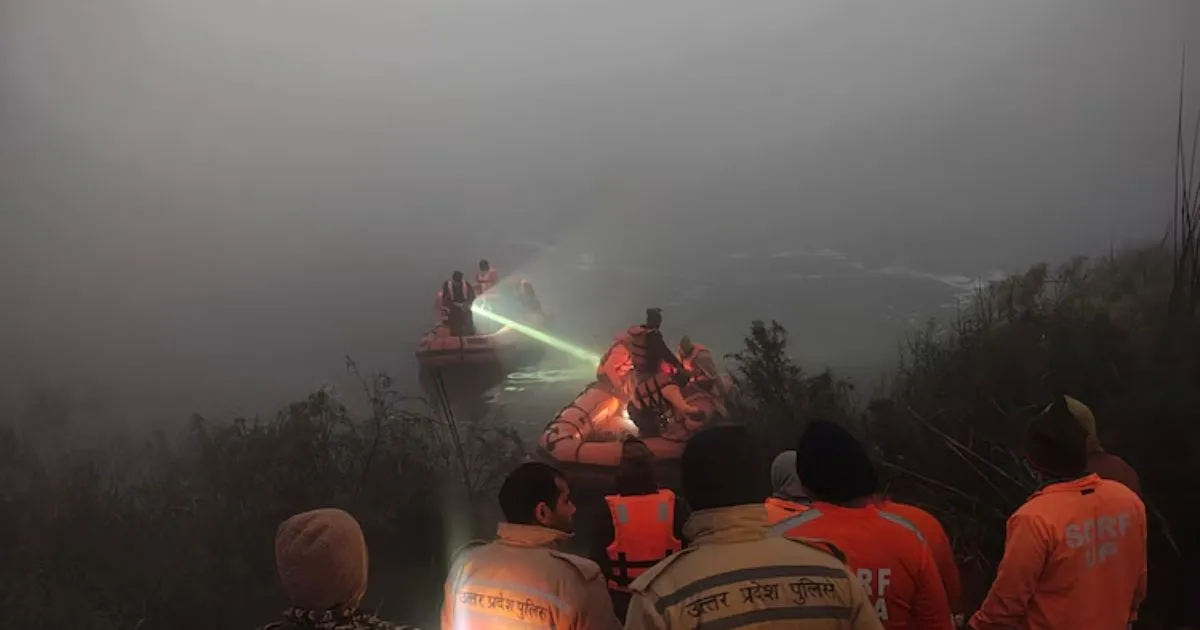
The Greater Noida Fog Tragedy
What began as a routine winter night turned fatal in Greater Noida. This deep-dive investigates the fog tragedy, uncovering systemic failures, ignored warnings, and a life lost to preventable negligence.
Read the Investigation →