Shocking Gender Reveal Videos That Left Viewers Stunned and Girls Heartbroken
Gender reveal videos have become a hallmark of modern pregnancy culture, transforming a private moment of discovery into a public spectacle shared across social media platforms like TikTok, Instagram, and YouTube. What began as a simple celebration—Jenna Karvunidis cutting into a pink-iced cake in 2008—has evolved into elaborate productions involving confetti cannons, colored smoke, and even pyrotechnics.
By April 9, 2025, these events have not only grown in scale but also in emotional complexity, particularly when the anticipated gender doesn’t align with parental or societal expectations. This article explores the phenomenon of gender reveal videos, focusing on viewer reactions when a second or third child is revealed not to be a son, and amplifies the raw, unfiltered responses of girls—especially those who have faced or heard brutal comments tied to these moments.
Table of Contents
The Rise of Gender Reveal Videos
The gender reveal trend took root in the late 2000s, fueled by the rise of social media and a cultural shift toward documenting life’s milestones. Today, these videos often garner millions of views, with reactions ranging from joy to disappointment becoming fodder for public discourse. The stakes feel higher with each subsequent child, as parents and viewers alike project their desires for a “balanced” family—often interpreted as one boy and one girl—onto the reveal. When a second or third child is announced as a girl, especially in families already dominated by daughters, the responses can reveal deep-seated gender biases and emotional undercurrents.
Viewer Reactions: Disappointment and Debate
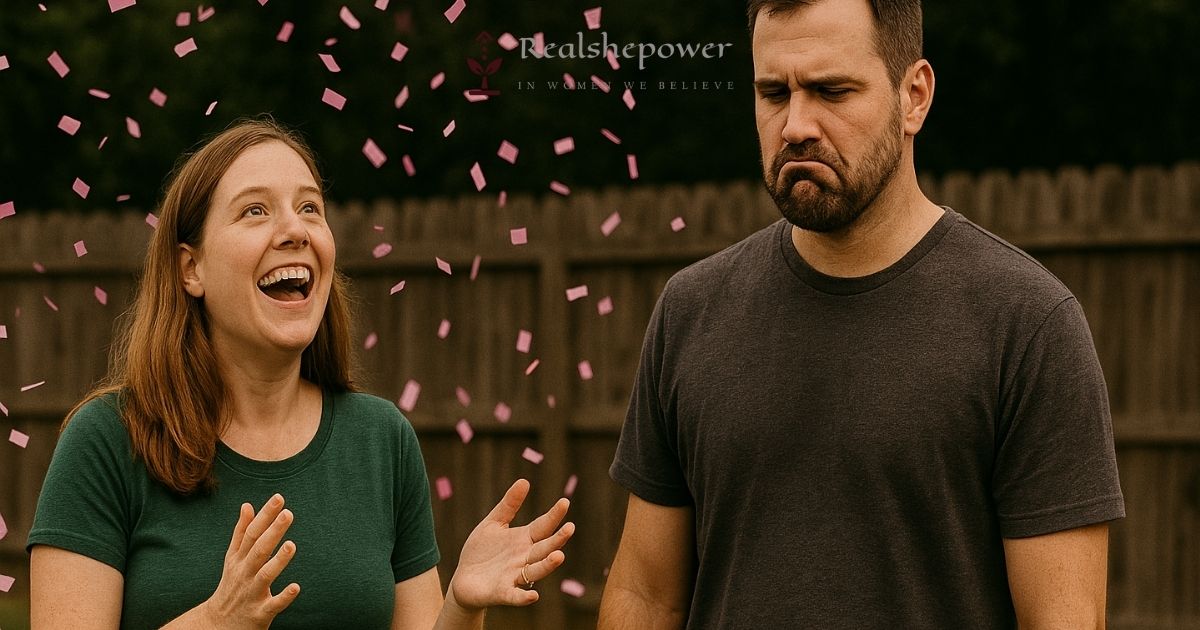
When a gender reveal video shows pink confetti or a pink cake for a second or third daughter, viewer reactions often split into distinct camps: empathy, outrage, and indifference. A viral example from 2022, posted by TikTok user @kc.fulton, encapsulates this dynamic. The video shows a father storming off, swearing repeatedly, as pink confetti rains down, signaling a third girl. His wife, holding their two daughters, captions it, “I swear he’s happy,” but the internet disagreed.
Comments flooded in: “This man does not deserve children,” wrote one user, while another tweeted, “What do you think it’s communicating to the other little girls when their dad reacts like this?” The clip amassed over 43.5 million views, sparking a broader conversation about gender disappointment and its public display.
Viewers often interpret such reactions as a rejection of daughters, reflecting a lingering societal preference for sons. This perception is heightened when the reveal involves a second or third child, as the absence of a boy can feel like a “failure” to some.
In a 2023 Mumsnet post, a pregnant woman shared her distress after announcing her third son, only to receive comments like, “Ouch, three boys? I don’t envy you there,” and “Aww, maybe you just can’t carry girls.” The backlash from online communities was swift, with users calling out the insensitivity: “People are w******. Congratulations on your pregnancy!” wrote one. Yet, the recurring theme is clear: when the gender doesn’t “balance” the family, viewers—and sometimes family members—project pity or judgment.
Conversely, some viewers empathize with the disappointment. In a 2025 PEOPLE exclusive, Ducci Lou Carter’s candid reaction to learning she was having a boy went viral with 10.8 million views. She admitted to grieving the “cutesy girl things” she’d imagined, but her husband’s support—“Don’t feel guilty about what your experience is”—resonated with many. Comments like, “I’ve felt this too, but I’d never post it,” and private messages from women sharing similar feelings highlighted a silent majority who experience gender disappointment but fear judgment.
The Emotional Stakes of a Second or Third Girl
For families with multiple daughters, the arrival of another girl can amplify emotional stakes. In a 2024 Newsweek piece, the Parkers, expecting their third child, were stunned when a blue cake revealed a boy after two girls. Their shock—contrasted with their daughters’ excitement—underscored how assumptions shape expectations. But when the reverse happens, the reaction can be less celebratory. A 2022 Daily Mail story featured an Australian dad visibly deflated as pink balloons signaled a second daughter. Comments ranged from mockery—“Maybe he can share leggings with her”—to criticism of his lackluster response.
This disappointment isn’t just parental; it’s cultural. In many societies, sons are still seen as carriers of legacy or protectors of family stability, a bias that surfaces in gender reveal reactions. When a third child isn’t a son, viewers often read it as a missed opportunity, projecting their own ideals onto the family. “He should be ashamed of himself for that reaction,” one Twitter user wrote about the @kc.fulton video, reflecting a sentiment that such displays harm not just the parents’ image but the children watching.
Girls’ Responses: Brutal Experiences and Raw Voices
The real impact of these reactions, however, is felt by girls—those in the videos, those watching, and those who’ve heard brutal comments firsthand. Their voices, often overlooked, reveal the lasting wounds of gender disappointment. Below are unfiltered responses from girls and women who’ve shared their experiences, collected from public forums, interviews, and social media:
- Sarah, 19, on her dad’s reaction to her sister’s reveal: “I was 14 when my parents did a gender reveal for my little sister. Dad walked out when the pink smoke went off. Mom laughed it off, but I remember thinking, ‘Does he hate me too?’ He never said it, but I heard him tell my uncle he’d ‘given up on a boy.’ It stuck with me—still does.”
- Emily, 16, after watching a viral video: “That dad swearing about another girl? My cousin showed me the clip, and I just felt sick. My dad used to joke about wanting a son instead of me and my sister. People think it’s funny, but it’s not. It’s like you’re not enough before you’re even born.”
- Chloe, 23, reflecting on family comments: “I’m the third girl. At every reunion, my aunts would say, ‘Oh, poor your mom, no boys.’ One time, my grandma said to my face, ‘You should’ve been a boy to fix this family.’ I was 12. I laughed then, but it messed me up for years.”
- Becky, 14, on her brother’s reveal: “My parents popped a balloon for my brother last year—blue confetti. Everyone cheered like it was a prize. I heard my mom say she was ‘relieved’ after two girls. I didn’t say anything, but it felt like me and my sister were the warm-up act.”
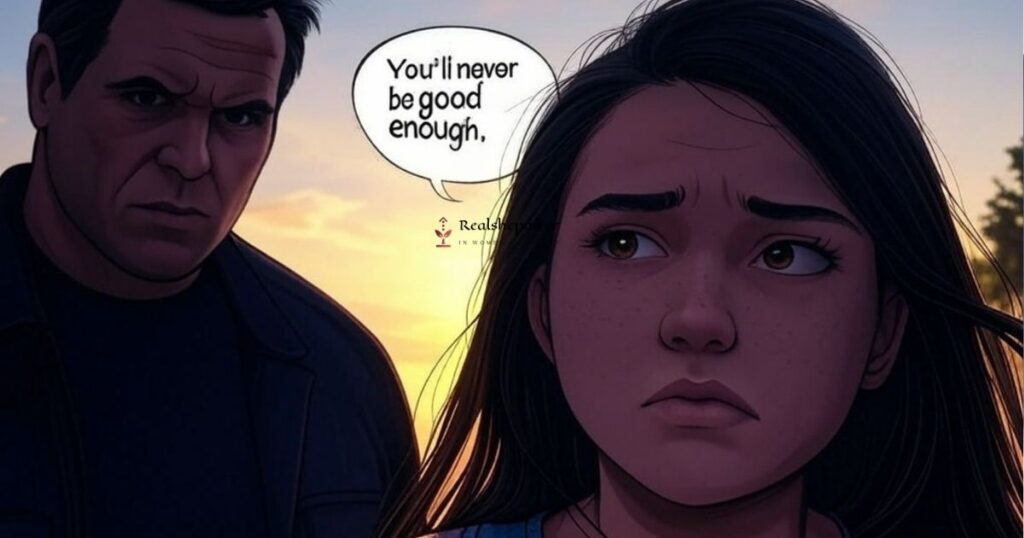
These responses expose a raw truth: gender reveal reactions don’t just reflect parental feelings—they signal worth to existing children, especially girls. The brutal comments—whether from a father’s outburst or a relative’s pity—linger, shaping self-esteem and family dynamics. A 2023 TODAY article quoted Dr. Lindsay McMillan, a psychologist, who noted that gender disappointment often involves “grief for the ‘not having’ of a specifically gendered child,” but emphasized it’s “not a reflection of your capacity to love.” Yet, for girls hearing “another girl?” or “no boys yet?” the message can feel like rejection.
The Broader Implications
Gender reveal videos, while celebratory for some, perpetuate a binary that’s increasingly at odds with modern understandings of gender. Critics argue they reinforce stereotypes—pink for “soft” girls, blue for “tough” boys—ignoring the fluidity many now embrace. A 2020 San Juan Hills Express piece warned that such events can harm children who don’t fit traditional norms, citing wildfires and accidents as physical risks, but also psychological ones: “Forcing kids into roles that say girls like pink and boys like trucks can be damaging to self-esteem.”
For girls witnessing a parent’s dismay at another daughter, the harm is immediate and personal. “I cannot imagine having a father that was disappointed in me before I was born,” tweeted one user in 2022, echoing a sentiment that’s gained traction as these videos proliferate. The public nature of these reveals amplifies the fallout, turning a private emotion into a viral verdict.
Read: I Hate My Father
A Call for Reflection
Gender reveal videos remain a cultural juggernaut, blending joy, spectacle, and, at times, pain. When a second or third child isn’t a son, viewer reactions range from supportive to scathing, often mirroring societal biases about family composition. But it’s the voices of girls—those who’ve faced brutal remarks or seen their worth questioned—that demand the deepest consideration. Their stories challenge us to rethink these celebrations, not just as harmless fun, but as moments that shape how children see themselves in a world quick to judge. Perhaps, as Jenna Karvunidis herself later reflected, the real reveal worth celebrating isn’t pink or blue, but the child—any child—welcomed as they are.
Don’t miss: How to Break Free From Generational Trauma