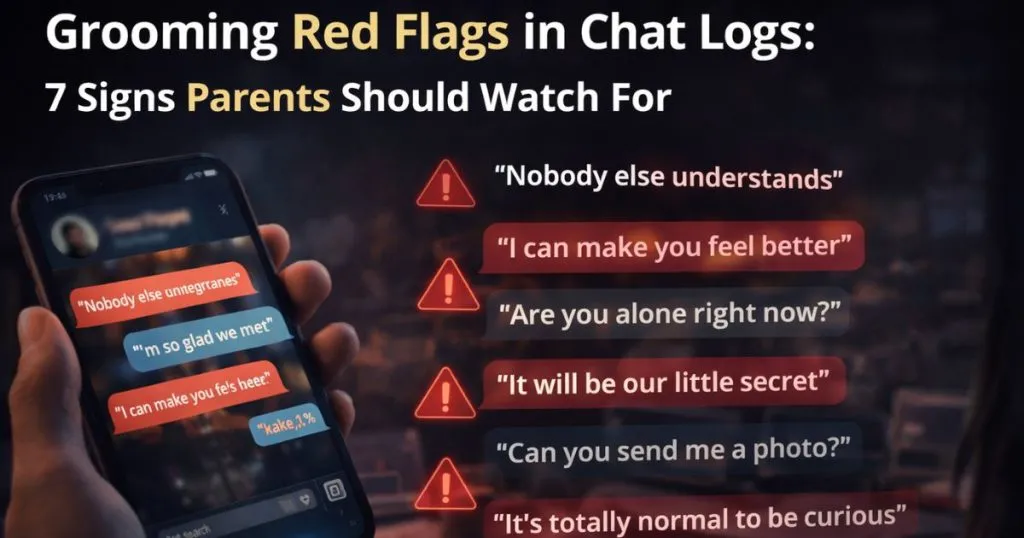
What are the most effective digital safety strategies for parents to protect children from grooming on Snapchat and WhatsApp in 2026?

In 2026, the challenge for parents is that grooming has shifted from “stranger danger” to social engineering. Predators now use AI-driven deepfakes and the “disappearing” nature of modern apps to build trust while erasing evidence.
Protecting your children requires moving beyond just “blocking apps” to active structural and behavioral safeguards.
Snapchat: Managing the “Invisible” Paper Trail
Snapchat’s primary danger is ephemerality—the fact that messages vanish by default. This emboldens predators because they know there is no permanent record for a parent to find.
- Enable Family Center: This is non-negotiable. It allows you to see who your child is messaging without reading the actual content. In 2026, it also flags “High-Risk Interactions”—accounts that have been recently created or flagged by other parents.
- Disable “My AI” and Public Profiles: Predators often use the “My AI” chatbot or public stories to find vulnerabilities. Ensure your child’s profile is set to Ghost Mode so their location is never visible on the Snap Map.
- Audit the “Friend” List Monthly: Ask your child about specific names. Groomers often pose as peers from neighboring schools. If your child can’t tell you exactly how they met a “friend” in person, that contact should be removed.
WhatsApp: Locking Down the Private Door
WhatsApp is often seen as “safer” because it’s tied to a phone number, but in 2026, it is the primary tool for moving a child from a public platform to a private, unmonitored space.
- Strict Privacy Settings: Set “Last Seen,” “Profile Photo,” and “About” to My Contacts Only. This prevents predators from “scraping” your child’s photo or activity patterns from outside the app.
- Silence Unknown Callers: Go to Settings > Privacy > Calls. This prevents predators from cold-calling your child or using “vulnerability probes” (calls that hang up just to see if a minor picks up).
- Group Invite Restrictions: Change the “Groups” setting to My Contacts. This stops predators from adding your child to massive, anonymous “interest-based” groups where grooming often starts.
The “Digital Safety Contract”
Technical locks are only half the battle. You need a behavioral “fail-safe” with your child.
The “No-Fault” Rule: Establish a firm agreement that if your child ever feels uncomfortable, receives a “weird” photo, or is asked for one, they can come to you without fear of having their phone taken away. Most children hide grooming because they fear losing their digital social life.
🔍 Red Flags to Watch For
| Behavior | Why it’s a Red Flag |
| New Gifts/Money | Groomers often send “digital gifts” (gaming currency, skins) to create a sense of debt. |
| Increased Secrecy | Tilting the screen away or sudden panic when you enter the room. |
| Second Devices | Finding a “burner” or older phone that isn’t the primary one you manage. |
| Altered Language | Using sexualized terms or “adult” perspectives that don’t match their age. |
➤ What are common grooming phrases and conversational patterns parents should look for in chat logs?