The Eternal Sentinel: An In-Depth Devotional Study of Baba Kaal Bhairav
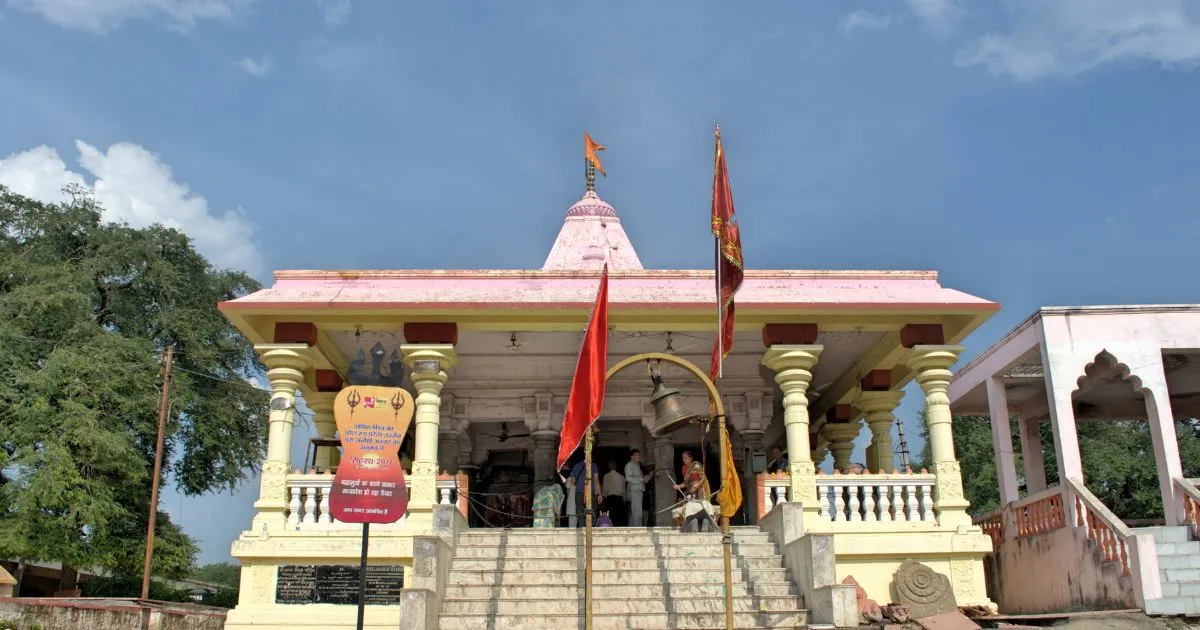
In the celestial geography of India, Kashi (Varanasi) is the center of the universe—the point where the transcendental meets the terrestrial. While Lord Vishwanath is the undisputed King of this holy realm, the administration of justice, the protection of the borders, and the spiritual policing of souls fall under the fierce gaze of Baba Kaal Bhairav.
Known as the “Kotwal of Kashi,“ his presence is felt in every heartbeat of the city. To understand Kaal Bhairav is to understand the raw, unadorned power of Time and Justice.
Related Read

Where rivers meet and शक्ति awakens—explore the deeper spiritual energy of Rajrappa beyond rituals and temples.
Click to Read More →The Metaphysical Origin: The Birth of the Terrible
The emergence of Kaal Bhairav is a story of the destruction of ego. According to the Shiva Purana, a heated debate once arose between Lord Brahma and Lord Vishnu regarding who was the supreme creator. When Brahma spoke with arrogance and five heads, Lord Shiva manifested a terrifying form from his fingernail—Kaal Bhairav.
With a single flick, Bhairav severed Brahma’s fifth head, representing the annihilation of false pride. However, because he had committed the sin of Brahmahatya (killing a Brahmin), the skull stuck to his palm. He was told to wander the earth as a mendicant until the skull fell away. The moment he stepped into the sacred boundaries of Kashi, the skull dropped, and he was liberated. Shiva then appointed him the eternal guardian of the city.
Related Read
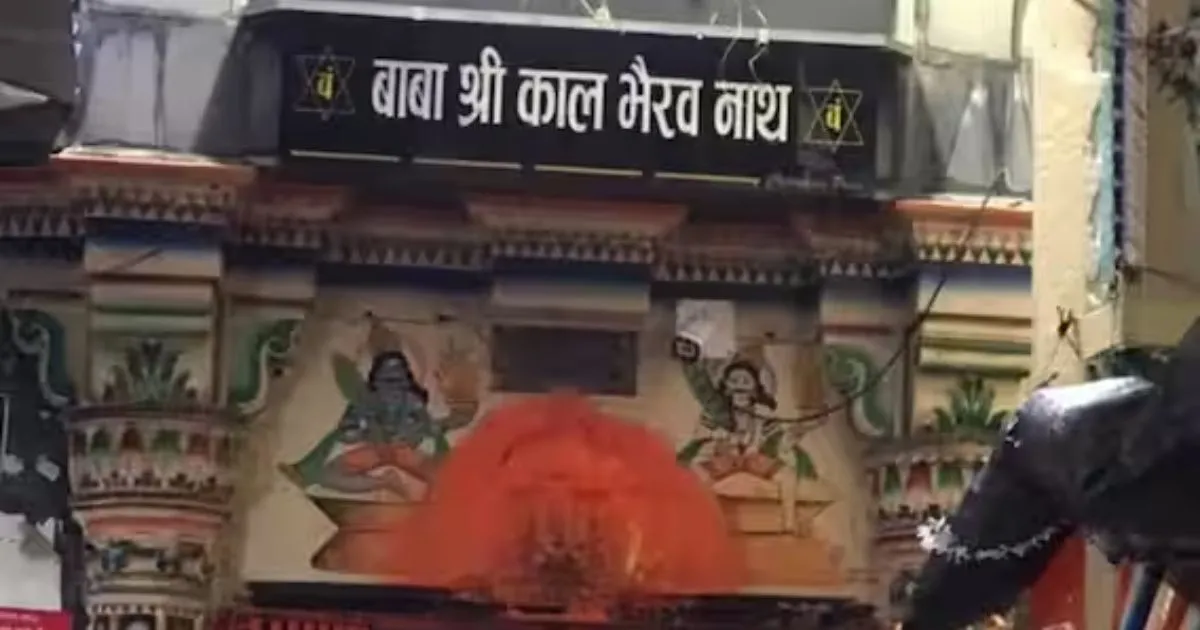
The fierce guardian of Varanasi—where every devotee seeks permission, protection, and spiritual justice before entering Kashi.
Click to Read More →The Kotwal of Kashi: The Divine Police Chief
In Varanasi, this is not mere mythology; it is a lived reality. Even today, it is local tradition that government officials and police officers often visit the Kaal Bhairav temple to “pay their respects” before taking charge of their duties.
The Spiritual Filter
It is believed that no soul can enter the presence of Vishwanath without the silent “visa” granted by the Kotwal. He acts as a spiritual filter, ensuring that those who enter Kashi are ready to face their karma. He is the judge of Kashi-vas (residence in Kashi), deciding who stays and who must leave.
Symbols and Iconography
The form of Kaal Bhairav is intentionally designed to evoke Bhaya (fear) in the ego and Abhaya (fearlessness) in the devotee.
- The Black Dog: His Vahana (vehicle) represents loyalty and the ability to see what humans cannot. In Kashi, dogs are treated with deep reverence as they are considered part of Bhairav’s battalion.
- The Severed Head: A reminder that the ego must be “beheaded” before one can attain liberation.
- The Trident (Trishul): Representing his command over the three states of existence: creation, preservation, and destruction.
- The Staff (Danda): This is why he is also called Dandapani, the one who holds the staff of punishment.
The Rituals of Devotion: A Path of Surrender
Worshipping Kaal Bhairav is a sensory and soul-stirring experience. Unlike the meditative silence of other temples, the Bhairav Mandir is vibrant and intense.
1. The Offering of Mustard Oil
Devotees offer mustard oil to the deity and light oil lamps (Diya). The pungency of the oil is symbolic of the “burning” of deep-seated karmas and physical ailments.
2. The Black Thread (Kashi Kavach)
Perhaps the most iconic ritual is the tying of the Kashi Kavach. This black thread, sanctified by the Baba’s energy, acts as a spiritual shield. It is believed to protect the wearer from black magic, the evil eye, and untimely death.
3. The “Jhara” (Spiritual Dusting)
The temple priests use a bundle of peacock feathers to “sweep” the aura of the devotee. As they chant mantras, they rhythmically strike the devotee’s back or head with the feathers, a process meant to remove “Drishti” (negative energy) and mental blockages.
The Esoteric Significance: Master of Time
The word “Kaal” translates to both “Time” and “Death.” By worshipping him, a devotee is asking for mastery over time.
- Past: He dissolves the guilt of past sins.
- Present: He provides the protection needed to live fearlessly.
- Future: He removes the “Kaal Bhaya”—the primordial fear of death itself.
A Call to the Devotee
To visit Baba Kaal Bhairav is to look into a mirror that does not lie. He is the “Sin-Eater” (Paap-Bhakshak). When you stand before his silver-masked idol, do not just ask for material favors. Instead, pray:
“O Kotwal of Kashi, take my ego, consume my sins, and grant me the permission to reside in the light of Shiva.”
In the narrow, incense-filled lanes of Visheshwarganj, the Baba still sits, watching, guarding, and waiting for the sincere seeker. He is the fierce father who punishes only to purify, ensuring that every soul that leaves Kashi is lighter than when it arrived.
Om Bam Bhairavaya Namaha!