The Kotwal of Kashi: A Devotional Guide to the Guardian of Varanasi
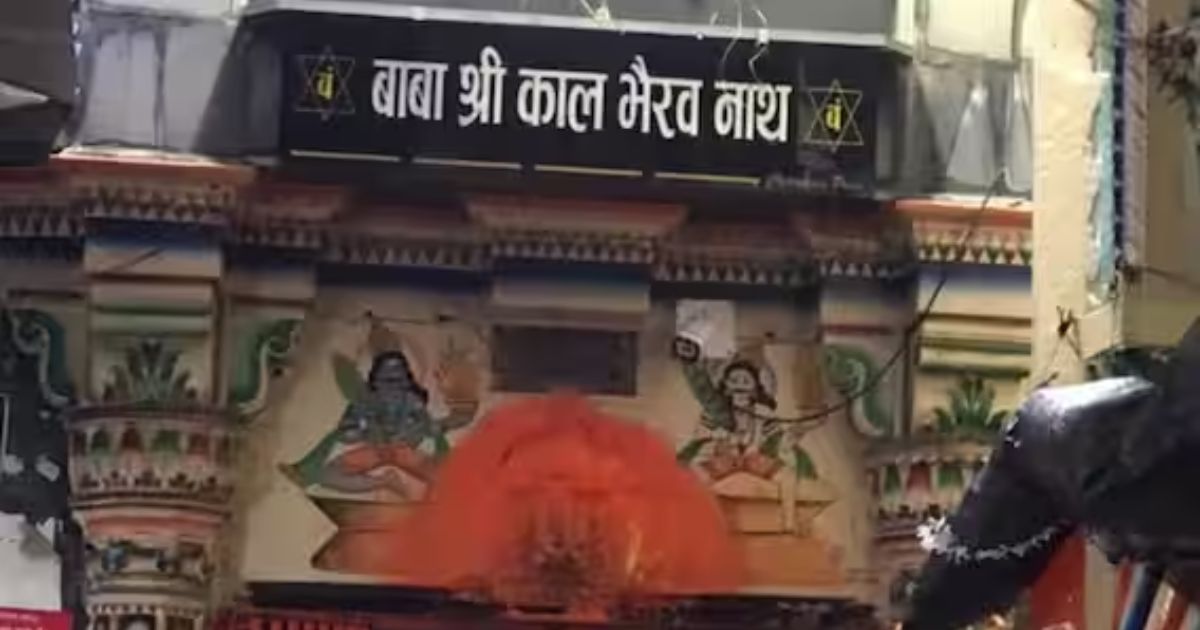
The Kotwal of Kashi
Varanasi or Kashi is not just a city; it is a cosmic gateway where the veil between the physical and the spiritual is at its thinnest. While the world flocks to the shimmering spires of the Kashi Vishwanath Temple to seek the blessings of Lord Shiva, a spiritual journey to this holy land is considered incomplete—some say even invalid—without the permission of the city’s fierce guardian: Baba Kaal Bhairav.
Known affectionately as the “Kotwal of Kashi” (the Police Chief of Varanasi), Kaal Bhairav is the manifestation of Shiva’s wrath and protection. To visit him is to stand before the ultimate judge of one’s karma.
The Legend: Why Kashi Bows to the Bhairav
In the heart of the devotee, Kaal Bhairav is more than a deity; he is the enforcer of spiritual discipline. According to the Kashi Khanda, when Lord Shiva created the holy city, he appointed Kaal Bhairav to guard it. It is said that even the soul-cleansing waters of the Ganges cannot fully wash away certain sins until the devotee seeks “Bhairavi Yatana”—the penance administered by the Kotwal.
For the traveler, he is the gatekeeper. Legend dictates that if you wish to stay in Varanasi without obstacles, you must first “report” to his station. Similarly, before leaving the city, devotees return to his temple to seek permission to depart.
The Sacred Shrines: A Tale of Two Bhairavs
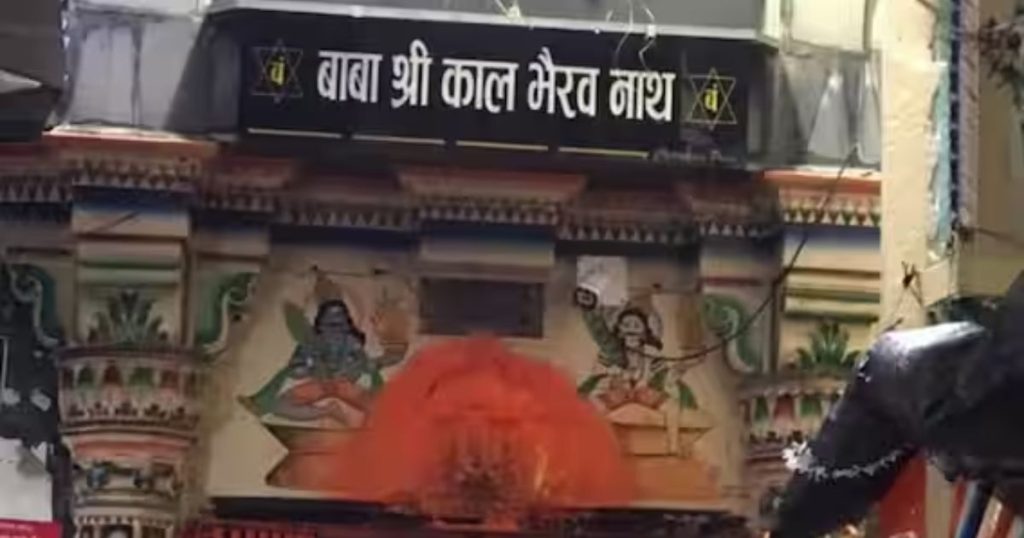
1. Kaal Bhairav Mandir (The Fierce Protector)
Located in the bustling Vishweshwarganj area, this temple is the spiritual headquarters of the city. The atmosphere here is thick with the scent of mustard oil, incense, and the rhythmic chanting of the Bhairav Ashtakam.
- The Deity: The silver-faced idol sits adorned with garlands of marigolds. He holds a trident and is accompanied by his faithful Vahana, the dog.
- The Experience: As you enter the narrow lanes leading to the temple, you’ll feel the energy shift. It is intense, raw, and deeply grounding. Here, the priests perform the “Jhara”—a ritual where they wave a broom of peacock feathers over devotees to brush away the “evil eye” and negative energies.
2. Batuk Bhairav Mandir (The Compassionate Child)
Located in Kamachha, this temple offers a beautiful contrast. Batuk Bhairav is the child-like, sattvic form of the deity.
- The Vibe: While Kaal Bhairav is about justice and awe, Batuk Bhairav is about motherly love and protection. The temple is famous for its Akhand Jyoti (ever-burning lamp) that has been lit for centuries.
- The Ritual: Devotees often offer sweets, toys, and even biscuits to the dogs outside, seeing them as direct representatives of the Baba.
Devotional Rituals: How to Offer Your Prayers
To visit Bhairav Baba is to engage in rituals that are as ancient as the stones of Kashi themselves.
- The Offering of Protection: The most common offering is Mustard Oil (Sarson ka Tel). Lighting a lamp with this oil is believed to burn away one’s enemies—both internal (ego, anger) and external.
- The Kashi Kavach: Outside the temple, you will find vendors selling black threads. These are blessed at the feet of the Baba. Tying this “Kavach” (armor) around your wrist is a symbol of his lifelong protection over your soul.
- The Prasadam: Unlike the delicate sweets offered to other gods, Bhairav Baba is often offered fried savories or, in specific tantric traditions, even liquor—symbolizing the surrender of all worldly attachments and societal norms to the Divine.
📅 Planning Your Pilgrimage (2026 Edition)
Best Times for Darshan
While the temple is open year-round, certain times carry a higher spiritual charge:
- Sundays & Tuesdays: These days are sacred to Bhairav. Be prepared for crowds, but the energy is electric.
- Bhairav Ashtami: Falling in the month of Margashirsha (late 2026), this is the grandest celebration of his birth. The temple is decorated with thousands of lamps.
- Aarti Timings: * Mangala Aarti: 5:00 AM (A serene, powerful start to the day).
- Sayana Aarti: 10:00 PM (The final “roll call” before the city sleeps).
How to Reach
- Walking: If you are staying near the Dashashwamedh Ghat, it’s a 15-20 minute walk through the vibrant, chaotic, and beautiful “Galis.”
- E-Rickshaw: Take a rickshaw to Maidagin Crossing. From there, a 5-minute walk will lead you to the temple entrance.
A Note for the Soul
When you stand in the queue at Kaal Bhairav, don’t just ask for material wealth. The tradition of Kashi suggests you ask for “Abhaya” fearlessness. Ask the Kotwal to remove the obstacles in your path to self-realization.
In the eyes of Bhairav Baba, there are no tourists—only seekers. Whether you are there for the architecture or the alchemy of the spirit, remember to bow low. After all, you are in his city now.
Jai Kaal Bhairav! Kashi Vishwanath Gange!