
Awe Walks: The Sexiest Mental Health Trend Nobody Is Talking About (Enough)
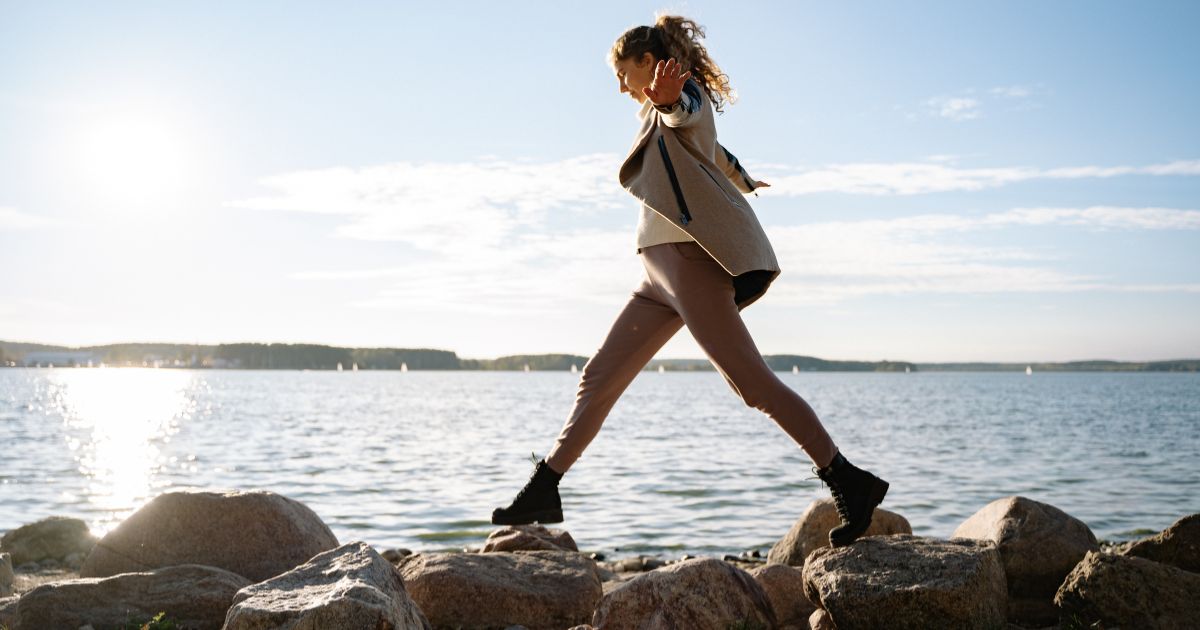
There’s a new kind of self-care quietly seducing stressed minds everywhere and no, it doesn’t involve cold plunges, green powders, or productivity hacks.
It’s called Awe Walking.
And it might be the most sensual form of mental wellness you’ve never tried.
Not sensual in a performative way but in the deeply embodied sense. The kind that slows your breath, softens your nervous system, and reminds you that you still live inside a body, not just inside deadlines.
Welcome to the era of awe walks where healing happens one step at a time.
What Is an Awe Walk?
An awe walk is simple:
You take a slow, intentional walk while actively seeking moments of awe.
That could be:
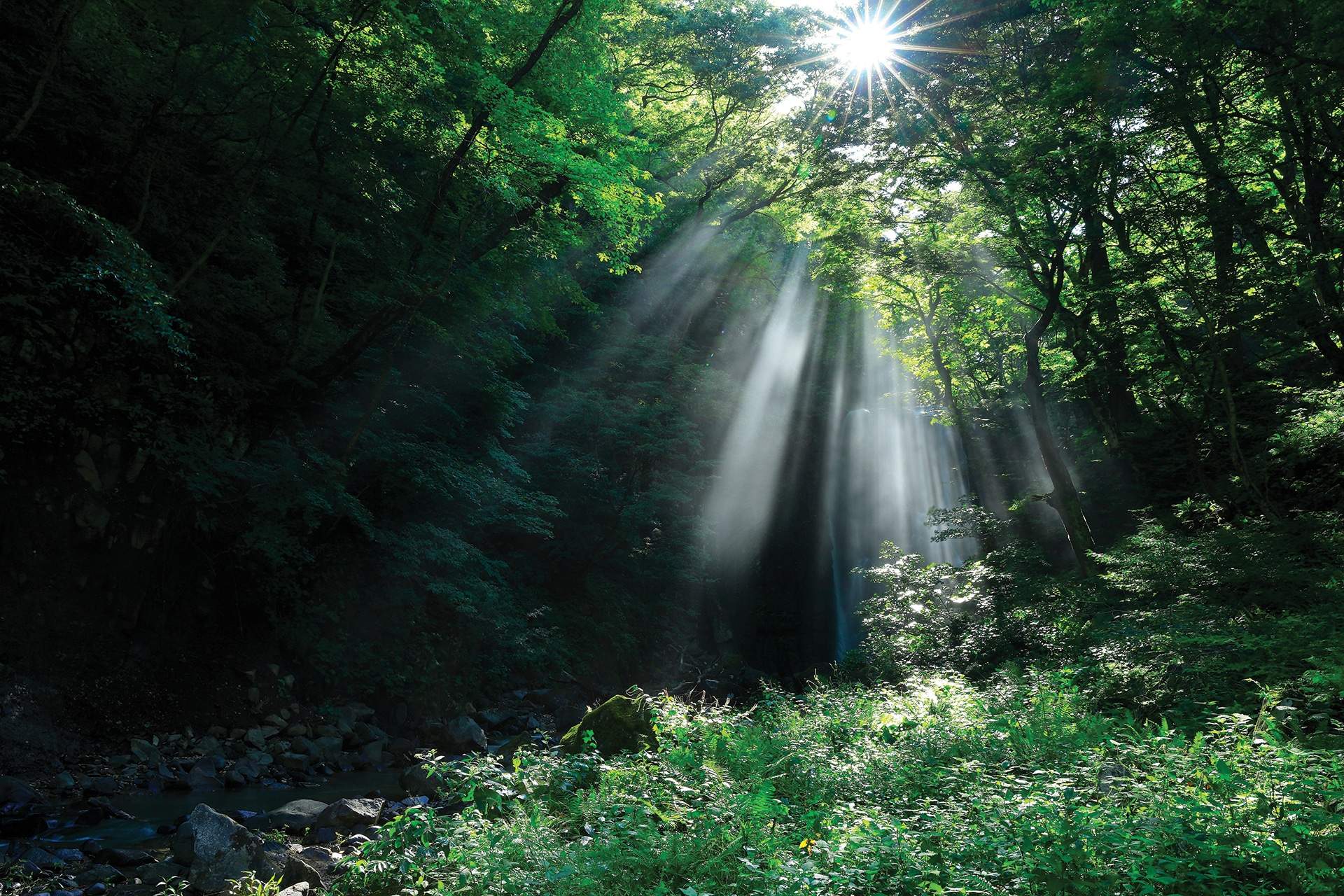
- Sunlight filtering through trees
- A quiet street at dusk
- Birds mid-flight
- The curve of clouds
- Architecture that makes you pause
- The way wind touches your skin
Unlike power walks or step-count goals, awe walks are not about speed, calories, or productivity.
They’re about presence.
You walk not to arrive —
you walk to feel.
Psychologists define awe as the emotional response we experience when something feels larger than us — vast, beautiful, mysterious. That emotion gently dissolves ego, anxiety, and mental clutter.
And when practiced regularly, it rewires how your brain handles stress.
Why Awe Walks Are Exploding in Popularity Right Now
Burnout culture created this trend.
People are exhausted by:
- Hustle aesthetics
- Toxic productivity
- Hyper-optimized wellness routines
- “Fix yourself” mental health narratives
Awe walks offer something radically different:
Softness without guilt.
Recent behavioral studies show that people who practice awe-based walking report:
- Lower cortisol (stress hormone)
- Reduced rumination
- Increased feelings of connection
- Better emotional regulation
- Improved mood for hours afterward
No equipment.
No subscription.
No spiritual bypassing.
Just you and the world.
That’s powerful.
The Feminine Science Behind It (Yes, There’s Biology)
Here’s where it gets deliciously interesting.
When you slow-walk and consciously observe beauty, your nervous system shifts from sympathetic (fight-or-flight) into parasympathetic (rest-and-repair) mode.
Your vagus nerve activates.
Your breath deepens.
Your muscles release.
Oxytocin rises.
This is the same physiological state associated with safety, bonding, creativity, and emotional openness.
In other words:
Awe walks put your body back into receptive mode.
Which is why many women report feeling:
- More grounded
- More emotionally available
- More intuitive
- More connected to their sensuality
- More themselves
It’s not just mental health.
It’s embodied healing.
How to Do an Awe Walk (The Right Way)
Forget rigid rules. This is a ritual, not a routine.
Still, here’s a simple framework:
🌿 Step 1: Leave Your Phone Behind (Or Put It on Airplane Mode)
No podcasts.
No reels.
No notifications.
You’re not consuming content, you’re consuming reality.
🌿 Step 2: Walk Slowly Enough to Notice Small Things
If you’re rushing, you’re missing it.
Slow down until:
- You hear your footsteps
- You feel air on your skin
- You notice colors again
🌿 Step 3: Look for Beauty on Purpose
This is key.
Your brain defaults to scanning for threats. Awe walking retrains it to scan for wonder.
Actively search for:
- Light
- Patterns
- Movement
- Stillness
- Faces
- Nature
- Texture
Let yourself be impressed.
🌿 Step 4: Let Emotion Rise (Don’t Analyze It)
If something makes you feel tender, expansive, or unexpectedly emotional, don’t intellectualize.
Just feel.
That’s the medicine.
Why This Works Better Than Meditation for Many People
Traditional meditation asks you to sit still with your thoughts.
Awe walks let your body lead the healing.
For people with anxiety, trauma, or racing minds, movement makes emotional regulation easier.
Walking provides:
- Bilateral stimulation
- Gentle somatic grounding
- Natural rhythm
- Sensory anchoring
Which is why awe walks often feel more accessible than silent sitting.
You don’t force calm.
Calm finds you.
The Quiet Feminist Power of Awe Walking
Let’s be honest.
Modern life trains women to:
- Shrink their needs
- Ignore their bodies
- Over-function emotionally
- Stay productive even while depleted
Awe walking is a small rebellion.
It says:
I deserve slowness.
I deserve beauty.
I deserve nervous system safety.
You don’t optimize awe.
You surrender to it.
And that’s radical.
Make It a Ritual (Not a One-Off)
Try this:
- 10–20 minutes
- 3–4 times a week
- Same route or different — both work
- Early morning or golden hour if possible
Consistency matters more than duration.
Over time, you’ll notice:
- Less emotional reactivity
- Clearer thinking
- Deeper sleep
- Subtle confidence shifts
- Increased creativity
- Stronger intuition
Your nervous system will remember how to breathe again.
Final Thoughts: Awe Is Not Luxury. It’s Regulation.
We’ve been taught that peace is something we earn after suffering.
Awe walks remind us:
Peace is something we access through attention.
You don’t need a retreat.
You don’t need expensive wellness tools.
You don’t need to “fix” yourself.
You need to walk.
You need to look.
You need to feel small in a beautiful way.
And let the world hold you for a moment.







)