India-Pakistan Conflicts: From Kargil 1999 to Uri 2016, Contextualizing India’s Evolving Military Tactics
Introduction: Decoding India-Pakistan Conflicts Through History
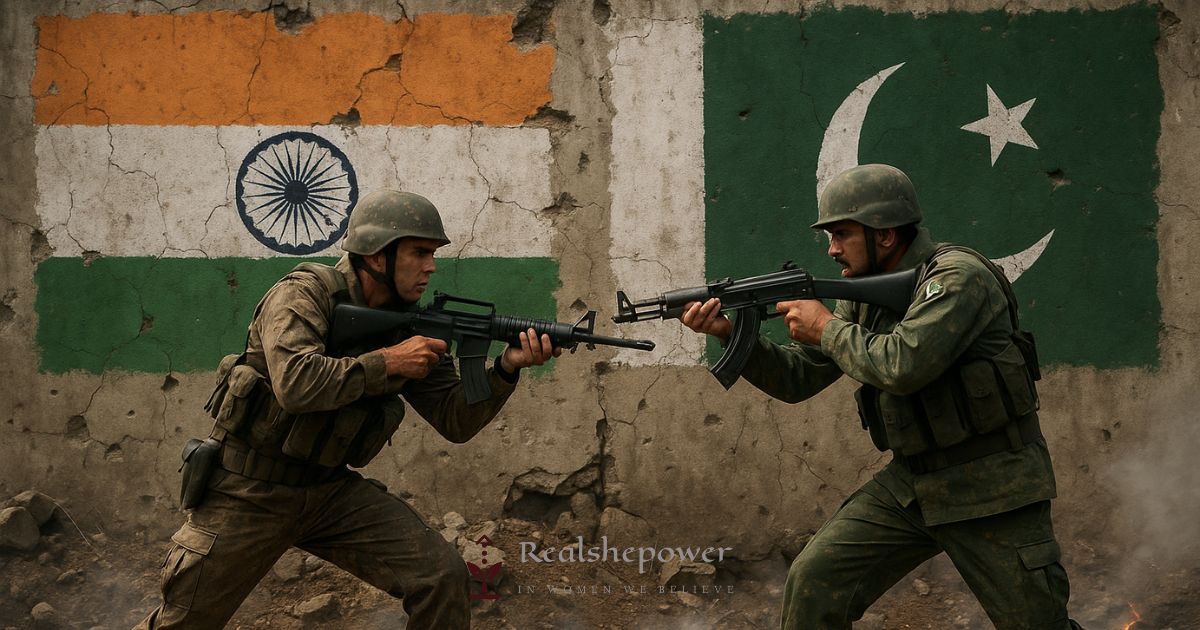
The India-Pakistan rivalry, rooted in the 1947 partition and the Kashmir dispute, has fueled multiple conflicts, each shaping India’s military tactics and strategic doctrine. From the high-altitude warfare of Kargil 1999 to the surgical strikes of Uri 2016, these clashes highlight India’s transition from conventional battles to precision-driven, technology-enabled operations. By studying these conflicts, we can contextualize India’s evolving tactics, as seen in later operations like Balakot (2019) and Operation Sindoor (2025), which redefined modern warfare against a nuclear-armed adversary.
This article provides a fact-based analysis of key India-Pakistan conflicts—Kargil 1999, Uri 2016, and their successors—to trace India’s military evolution. From ground operations to surgical strikes and tri-service coordination, here’s how India’s tactics have adapted to counter Pakistan’s aggression.
Table of Contents
Historical Context: The India-Pakistan Rivalry
The partition of India in 1947 created Pakistan, sparking disputes over Jammu and Kashmir that led to wars in 1947–48, 1965, and 1971. The unresolved Kashmir issue, coupled with Pakistan’s support for cross-border terrorism, has driven recurring conflicts. The nuclearization of both nations in 1998 added complexity, forcing India to balance decisive action with escalation control. Key conflicts like Kargil 1999 and Uri 2016 illustrate India’s strategic responses, setting the stage for modern operations.
Kargil War (1999): High-Altitude Conventional Warfare
Background and Trigger
- Date: May–July 1999
- Trigger: Pakistani troops and insurgents infiltrated India’s Kargil district in Jammu and Kashmir, occupying strategic heights along the Line of Control (LoC) during winter, exploiting India’s seasonal withdrawal.
- Objective: Pakistan aimed to cut off the Srinagar-Leh highway, isolate Ladakh, and internationalize the Kashmir issue.
Execution
- Operation Vijay: India mobilized 200,000 troops, primarily from the Army’s 8 Mountain Division, to evict Pakistani intruders. The IAF launched Operation Safed Sagar, using Mirage 2000 and MiG-27 jets for precision bombing, while the Navy imposed a blockade in the Arabian Sea (Operation Talwar).
- Tactics: India relied on infantry assaults to recapture peaks like Tololing and Tiger Hill, supported by artillery (Bofors FH-77B guns) and air strikes. Operations were confined to India’s side of the LoC to avoid escalation.
- Challenges: Harsh terrain, high altitudes (up to 18,000 feet), and Pakistan’s initial advantage posed logistical and tactical difficulties.
Outcome
- Success: By July 26, 1999, India recaptured most positions, forcing Pakistan’s withdrawal. The conflict claimed 527 Indian and over 1,000 Pakistani lives.
- Global Impact: Pakistan faced international condemnation for violating the 1972 Simla Agreement. India’s restraint in not crossing the LoC earned diplomatic support from the U.S. and others.
- Tactical Lessons: The war exposed India’s intelligence failures (e.g., missing Pakistani infiltration) and the need for better high-altitude equipment and air-ground coordination.
Legacy
Kargil was a conventional war fought under nuclear constraints, emphasizing India’s reliance on ground forces and limited air support. It highlighted the importance of intelligence, logistics, and international diplomacy, shaping future operations.
Uri Surgical Strike (2016): Precision Counter-Terror Operations
Background and Trigger
- Date: September 29, 2016
- Trigger: On September 18, 2016, four Jaish-e-Mohammed (JeM) terrorists attacked an Army base in Uri, Jammu and Kashmir, killing 19 Indian soldiers.
- Objective: Neutralize terror launch pads across the LoC in Pakistan-occupied Jammu and Kashmir (PoJK) to deter future attacks.
Execution
- Operation: A team of 70–80 Indian Army Special Forces (Para SF) conducted surgical strikes on seven terror launch pads in PoJK, 2–6 km across the LoC. The operation targeted sites in Bhimber, Hotspring, Kel, and Lipa sectors.
- Tactics: Small, covert teams infiltrated at night, using stealth, night-vision goggles, and lightweight weaponry (Tavor rifles, Carl Gustaf rockets). Helicopter support and drones provided real-time intelligence. The IAF and Navy were on standby but not actively involved.
- Technology: Limited to ground-based assets, with satellite imagery and HUMINT guiding target selection. No heavy weaponry or airstrikes were used to maintain deniability and avoid escalation.
Outcome
- Success: The strikes killed 35–50 terrorists and their handlers, destroying launch pads. All Indian troops returned safely within hours.
- Pakistan’s Response: Pakistan denied the strikes, claiming only cross-border firing occurred, but internal reports confirmed significant losses. No major retaliation followed.
- Diplomatic Impact: India publicized the operation, releasing a DGMO statement and briefing foreign envoys, gaining support from the U.S., Russia, and others. Pakistan’s denials weakened its narrative.
Legacy
Uri marked India’s shift to overt surgical strikes, signaling a proactive counter-terrorism policy. It emphasized covert operations, real-time intelligence, and narrative control, setting a precedent for Balakot and beyond.
Contextualizing Evolving Tactics: From Kargil to Uri and Beyond
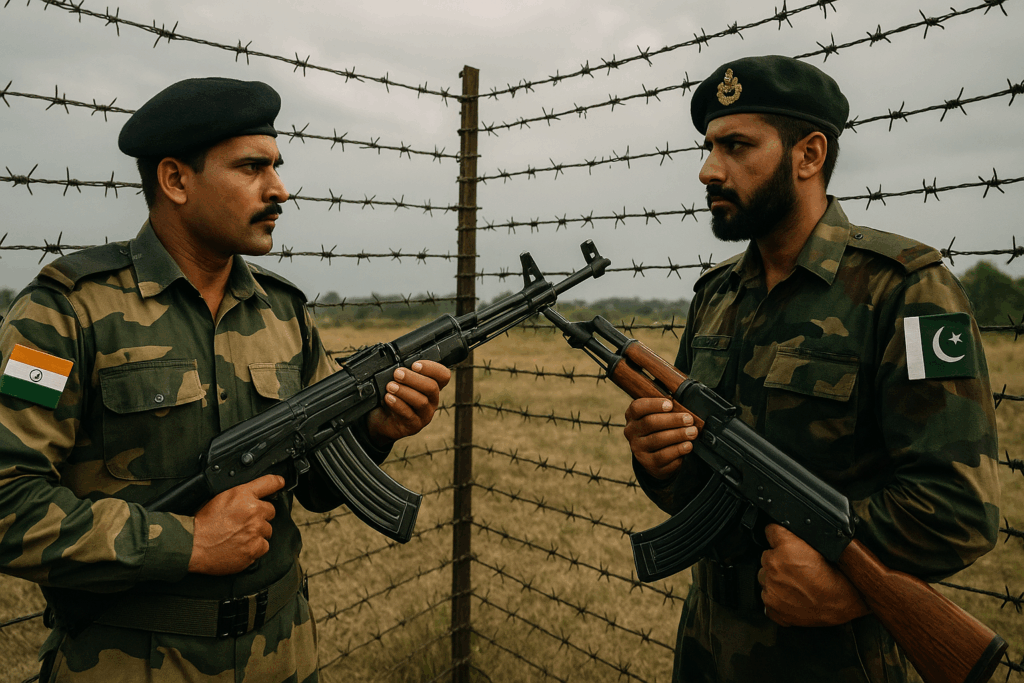
The Kargil War and Uri surgical strike represent distinct phases in India’s military evolution, each informing subsequent operations like Balakot (2019) and Operation Sindoor (2025). Here’s a comparative analysis of tactical shifts:
1. Scope and Objectives
- Kargil 1999: A large-scale conventional war to reclaim territory, focusing on state actors (Pakistani Army) and insurgents. The objective was territorial integrity, not counter-terrorism.
- Uri 2016: A targeted counter-terror operation against non-state actors (JeM), aimed at disrupting terror infrastructure without engaging Pakistani military assets.
- Evolution: India progressed from territorial defense to proactive counter-terrorism. Later operations like Balakot (airstrikes on JeM camps) and Operation Sindoor (strikes on air bases and terror hubs) expanded the scope to include both state and non-state targets, reflecting a hybrid warfare approach.
2. Technology and Weaponry
- Kargil 1999: Relied on artillery, infantry weapons, and limited air support (Mirage 2000 with laser-guided bombs). Intelligence was rudimentary, with no real-time satellite or drone support.
- Uri 2016: Used lightweight, special forces weaponry and basic drones for reconnaissance. Satellite imagery improved target selection, but no advanced missiles or air assets were deployed.
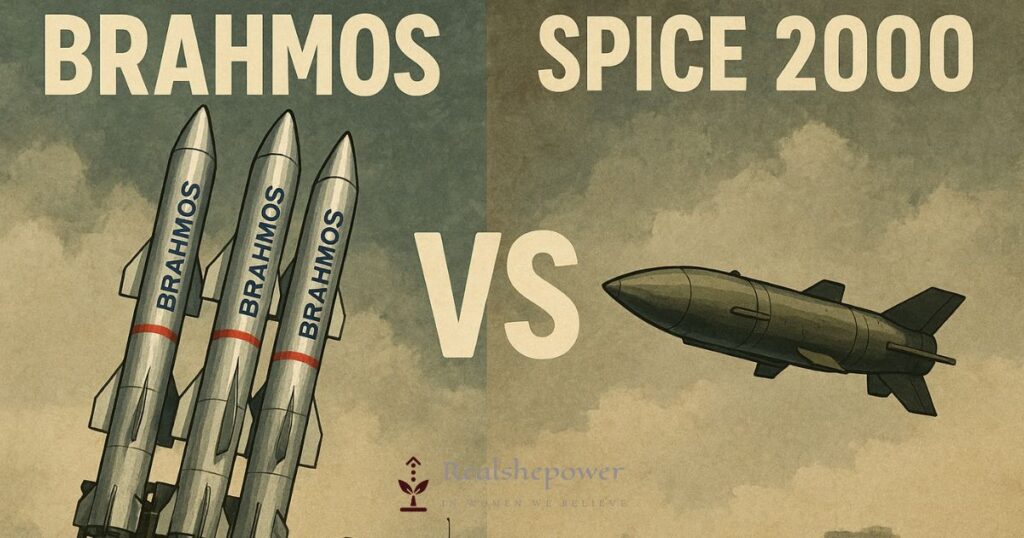
- Evolution: Post-Uri, India invested heavily in precision weaponry, as seen in Balakot’s Spice 2000 bombs and Operation Sindoor’s BrahMos supersonic missiles. Real-time intelligence from AWACS, Netra AEW&C, and satellites became integral, enabling complex, multi-target strikes.
3. Operational Coordination
- Kargil 1999: Involved all three services, but coordination was limited. The Army led ground operations, with the IAF and Navy in supporting roles. Command structures were siloed, slowing decision-making.
- Uri 2016: Primarily an Army-led operation, with the IAF and Navy on standby. Coordination was minimal, focusing on Special Forces autonomy.
- Evolution: Balakot saw improved IAF-Army coordination, while Operation Sindoor achieved tri-service synergy under DGMO Lieutenant General Rajiv Ghai. The Army, Air Force, and Navy executed simultaneous roles—ground security, airstrikes, and maritime surveillance—demonstrating a force multiplier effect.
4. Strategic Restraint and Escalation Control
- Kargil 1999: India’s decision not to cross the LoC prevented a broader war, earning global support but prolonging the conflict due to terrain challenges.
- Uri 2016: The covert nature and limited scope (terror pads, not military targets) minimized escalation risks. India’s public announcement balanced deterrence with restraint.
- Evolution: Balakot introduced airstrikes across the LoC, a bolder move, while Operation Sindoor targeted military infrastructure (air bases) yet avoided civilian areas. India’s calibrated responses, backed by diplomatic outreach, reflect a matured doctrine for nuclear environments.
5. Narrative and Diplomacy
- Kargil 1999: India’s media campaign exposed Pakistan’s aggression, but global attention focused on de-escalation, not India’s narrative. Diplomatic pressure on Pakistan was effective but slow.
- Uri 2016: India’s proactive announcement and evidence-sharing (e.g., DGMO briefings) shaped the narrative, isolating Pakistan diplomatically. Support from major powers strengthened India’s position.
- Evolution: Balakot refined narrative control with satellite imagery, while Operation Sindoor’s press conference, led by DGMO Rajiv Ghai, used time-stamped evidence to counter Pakistan’s misinformation. U.S. endorsements in 2025 underscored India’s growing geopolitical clout.
6. Outcomes and Deterrence
- Kargil 1999: Restored territorial control but failed to curb Pakistan’s terrorism, as seen in later attacks. It exposed India’s intelligence and equipment gaps.
- Uri 2016: Disrupted terror networks temporarily and established India’s surgical strike doctrine, deterring small-scale attacks but not major provocations (e.g., Pulwama 2019).
- Evolution: Balakot escalated deterrence by targeting terror camps deeper in Pakistan, while Operation Sindoor crippled Pakistan’s military and terror infrastructure, forcing a ceasefire. Each operation built on the last, enhancing India’s ability to deter hybrid threats.
Key Lessons for Modern Warfare
- From Conventional to Hybrid Warfare: Kargil’s conventional approach gave way to Uri’s covert strikes and Operation Sindoor’s hybrid strategy, blending military and counter-terror operations.
- Technology as a Game-Changer: The shift from artillery and basic air support to BrahMos missiles and real-time intelligence reflects India’s technological leap, critical for precision and speed.
- Tri-Service Integration: Operation Sindoor’s tri-service model, absent in Kargil and Uri, highlights the importance of joint operations in overwhelming adversaries.
- Proactive Deterrence: India’s overt strikes post-Uri signal a shift from reactive defense to proactive deterrence, balancing escalation risks.
- Narrative Control: Effective media and diplomatic strategies, refined from Kargil to Operation Sindoor, are vital for shaping global perceptions and isolating adversaries.
Global and Future Implications
India’s evolving tactics have positioned it as a leader in managing nuclear-armed conflicts. The progression from Kargil’s conventional warfare to Operation Sindoor’s precision strikes offers lessons for militaries worldwide, particularly in integrating technology and joint operations. India’s ability to deter Pakistan while maintaining global support strengthens its regional and global standing.
Future conflicts may see India deploying hypersonic missiles (e.g., BrahMos-II), AI-driven intelligence, and cyber warfare, building on Operation Sindoor’s foundation. Sustained investment in defense modernization and diplomacy will be crucial to counter Pakistan’s hybrid threats and China’s regional ambitions.
Conclusion: India’s Strategic Transformation
The India-Pakistan conflicts, from Kargil 1999 to Uri 2016 and beyond, illustrate India’s remarkable evolution in military tactics. Kargil showcased conventional resilience, Uri introduced surgical precision, and operations like Balakot and Operation Sindoor demonstrated technological and strategic sophistication. By studying these conflicts, we see India’s shift from reactive defense to proactive deterrence, leveraging advanced weaponry, tri-service coordination, and narrative control to counter Pakistan’s aggression.
For scholars, policymakers, and defense enthusiasts, these conflicts offer a roadmap for modern warfare in high-stakes environments. As India continues to modernize, its tactics will shape global military doctrines, ensuring its sovereignty and influence in a volatile region.
Share your thoughts on India’s military evolution in the comments. Subscribe for more analyses of global conflicts and defense strategies.
Terror Attacks in India Since 1947: A Comprehensive Timeline and Analysis

Operation Sindoor vs. Balakot 2019: A Comparative Analysis of India’s Evolving Military Tactics
India’s BrahMos Missiles and Tri-Service Coordination in Operation Sindoor: A Blueprint for Modern Warfare