Partition Horrors Remembrance Day: A Wound That Still Bleeds
Every year, on August 14th, India pauses to reflect on a chapter of its history so brutal, so raw, that it continues to haunt the collective memory of a billion souls. Partition Horrors Remembrance Day, observed since 2021, is not just a date on the calendar; it’s a reckoning with the pain, trauma, and resilience of a nation torn apart in 1947. This day forces us to confront the visceral agony of the Partition of India, a cataclysm that uprooted millions, shattered families, and left scars that time has not fully healed. Let’s walk through the horrors, the human cost, and the enduring spirit of those who survived, in a narrative that’s as honest as it is heart-wrenching.
The Birth of a Nation, Bathed in Blood
When the British announced India’s independence in 1947, they also unleashed a catastrophe by partitioning the subcontinent into India and Pakistan along religious lines. The Radcliffe Line, hastily drawn by a British lawyer ignorant of India’s complexities, became a death sentence for millions. Punjab and Bengal, vibrant heartlands of Indian culture, were split with ruthless indifference, triggering a mass exodus of Hindus, Sikhs, and Muslims across newly formed borders. For Hindus in what became West Pakistan, the dream of freedom turned into a nightmare of violence and loss.
The decision to partition was not just administrative; it was a spark that ignited deep-seated communal hatreds, fanned by years of colonial divide-and-rule policies. Hindus, who had lived for centuries in regions like Punjab’s Lahore and Sindh’s Karachi, were suddenly aliens in their own homes. The creation of Pakistan as a Muslim homeland meant Hindus were no longer safe. What followed was not mere displacement—it was slaughter on an unimaginable scale.
The Slaughter of Innocents
The numbers are numbing: estimates suggest 14 to 18 million people were displaced, with over a million killed. But statistics cannot convey the horror of entire Hindu families butchered, their homes torched, their lives erased. In West Punjab, Muslim mobs armed with knives, axes, and guns roamed villages, targeting Hindus with chilling precision. Entire communities were wiped out, their bodies left to rot in fields or dumped into rivers. Women were raped, mutilated, or killed to prevent “dishonor.” Children were not spared; their screams echoed through villages as they were hacked to death alongside their parents.
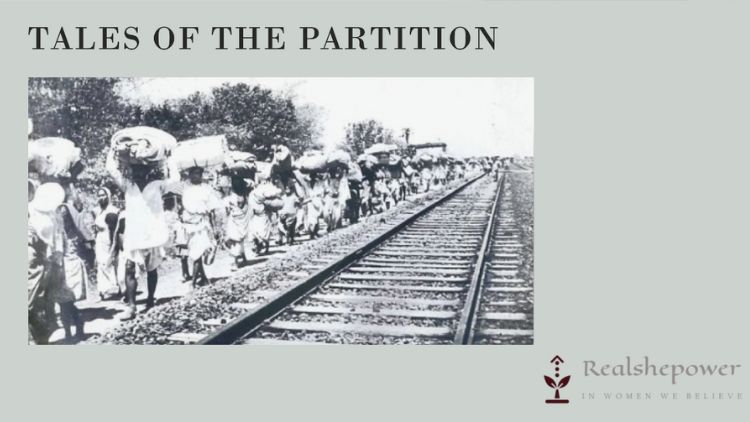
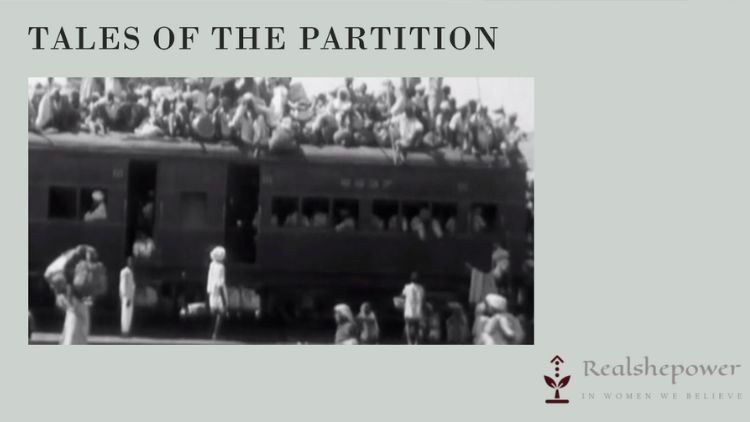
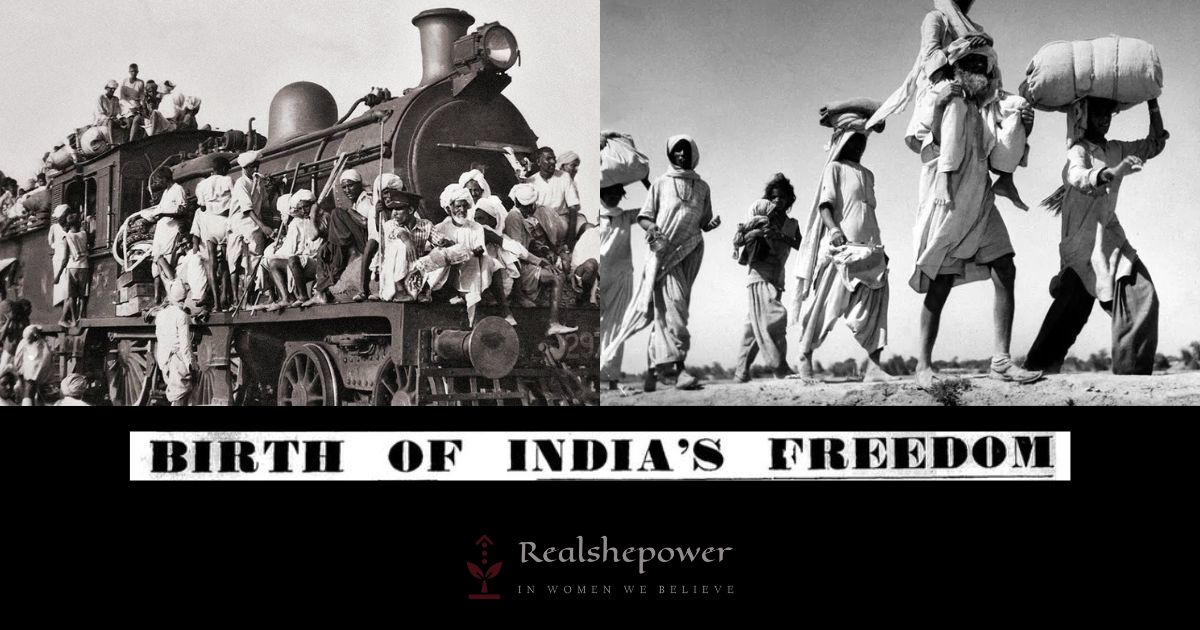
The trains—those haunting symbols of Partition’s brutality—tell a story too gruesome to forget. Hindus fleeing Pakistan boarded trains hoping to reach the safety of India, but many never made it. Muslim mobs in Pakistan ambushed these trains, turning them into death traps. Carriages meant to carry families to a new life arrived in India drenched in blood, filled with the corpses of men, women, and children. Survivors recounted finding loved ones with throats slit, bodies dismembered, and bangles broken on lifeless wrists. One man, searching for his family at a station in Amritsar, described a train so silent it chilled his soul—every passenger, including his wife and daughter, had been massacred.
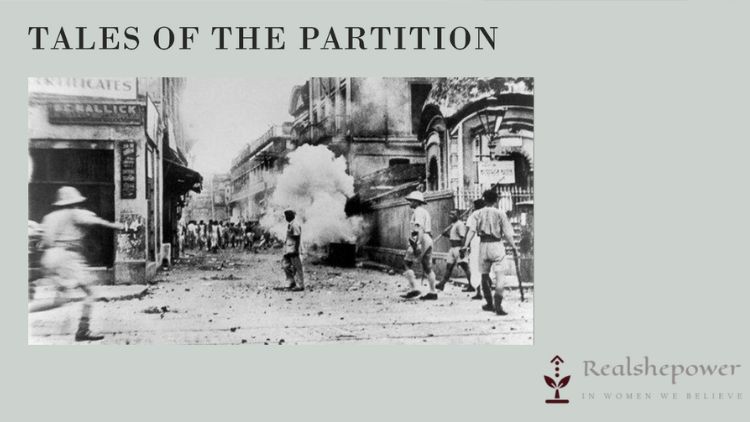
In cities like Lahore and Rawalpindi, Hindu neighborhoods were set ablaze. Families who hid in their homes were burned alive or dragged out to be slaughtered. The violence was not spontaneous; it was organized, fueled by a frenzy to purge Pakistan of its Hindu population. In Sindh, Hindus faced extortion and threats, forcing many to abandon their homes and businesses. Those who stayed often met a gruesome end. The scale of the killings was apocalyptic, with rivers like the Ravi and Sutlej choked with bodies.
The Women’s Tragedy
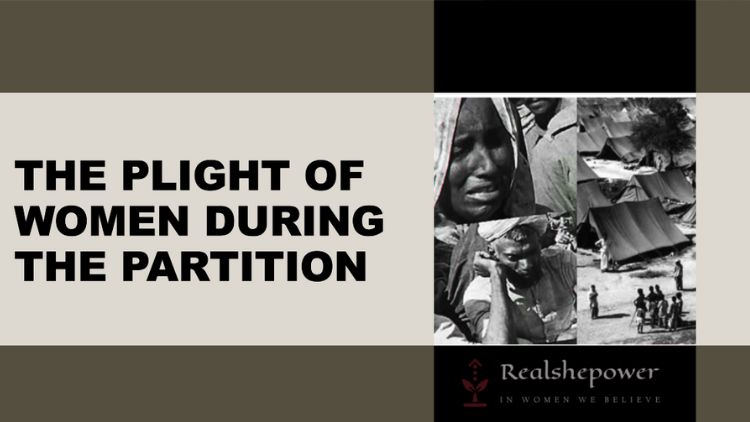
The fate of Hindu women during Partition was a horror beyond comprehension. Tens of thousands were raped, abducted, or murdered by Muslim mobs. In villages across West Punjab, women were dragged from their homes, their screams ignored as they were violated or killed. Many were forced into marriages or sold into slavery, their identities erased. Some families, driven by despair, killed their own daughters and sisters to spare them from rape or abduction—a heartbreaking act born of a society where honor was tied to women’s bodies. The trauma of these women, whether they survived or perished, remains a gaping wound in India’s history.
Recommended Read
The Indian Lens: A People Uprooted
For Hindus, Partition was not just a loss of life but a theft of heritage. Punjab and Sindh were not mere territories; they were the cradle of Indian civilization, home to ancient cities, sacred rivers, and cultural traditions that shaped the subcontinent. Hindus who fled Pakistan lost everything—ancestral homes, temples, livelihoods. They arrived in India as refugees, stripped of their past, forced to rebuild in alien cities like Delhi, Chandigarh, and Ahmedabad. The Sindhi shopkeeper in Mumbai, the Punjabi farmer in Haryana—their resilience built modern India, but their hearts carried the weight of homes left behind in Lahore or Karachi, now forever out of reach.
The Indian state, newly formed and fragile, was overwhelmed by the crisis. Refugee camps sprouted across northern India, where Hindus faced starvation, disease, and despair. Cholera and dysentery killed as mercilessly as the mobs. Yet, the government, led by figures like Nehru and Patel, scrambled to resettle millions, carving out new colonies and distributing land. The effort was herculean, but it could not erase the trauma. The survivors carried their pain silently, their stories of loss passed down through generations, shaping India’s collective memory.
A Legacy of Pain
The violence against Hindus in Pakistan was not a mere footnote in history; it was a deliberate attempt to erase their presence. Entire communities vanished, their temples reduced to rubble, their histories buried under the weight of a new nation’s ideology. The scars of 1947 are still visible in India—in the crowded refugee colonies of Delhi, in the oral histories of families who lost everything, in the lingering distrust that shapes communal relations. The Partition’s legacy is not just in the lives lost but in the identity it stole from millions of Hindus, forced to start anew in a land that was both theirs and unfamiliar.
Why We Remember
Partition Horrors Remembrance Day is a call to face this tragedy head-on. It’s not about reconciliation or healing; it’s about acknowledging the blood that soaked the soil, the screams that echoed in the night, the lives snuffed out by hatred. The Partition Museum in Amritsar, the 1947 Partition Archive, and countless survivor testimonies keep these stories alive. They remind us of the Hindu families who boarded trains to India, only to be slaughtered by Muslim mobs in Pakistan. They force us to confront the cost of a freedom that came at such a horrific price.
This day is a tribute to the dead—the men hacked to pieces, the women violated and killed, the children who never saw India’s dawn. It’s a pledge to remember their suffering, to honor their resilience, and to ensure that the tragedy of 1947 remains a stark warning of what happens when hatred is unleashed. The lives lost in Partition were not just numbers; they were India’s heart, torn apart and left to bleed.