The Parvati Valley Expedition: A 4-Day Trekking and Culinary Roadmap

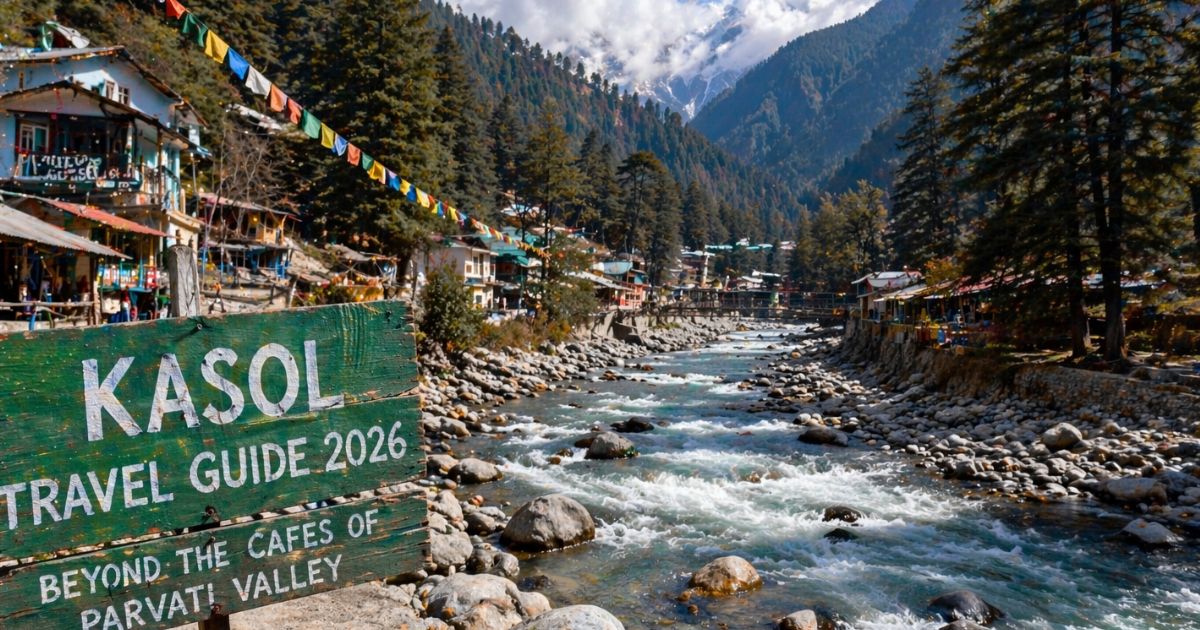
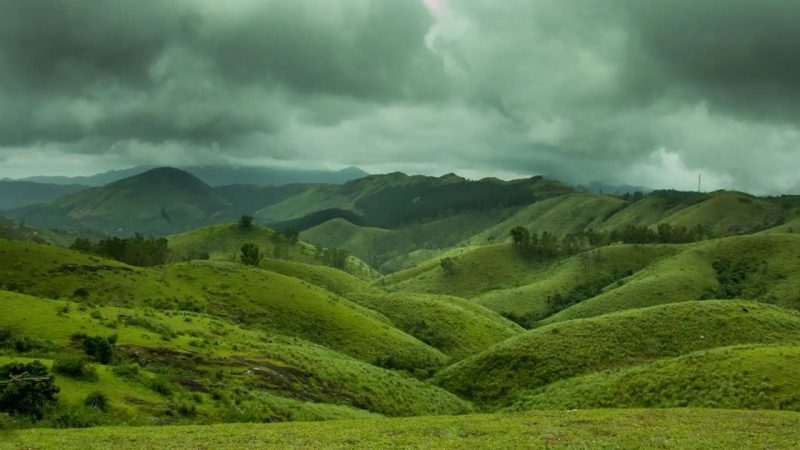
The Parvati Valley is often misunderstood as merely a hub for backpacker culture, but beneath the neon lights of Kasol lies an ancient culinary and geographical soul. In April, the valley is in a state of transition—the apple blossoms are peaking in the lower reaches, while the high-altitude trails to Grahan and Kheerganga still hold the crisp, stubborn remnants of winter snow.
To truly experience Parvati, one must move between its extremes: the physical demand of the steep Himalayan “climb” and the restorative power of its fermented, ghee-heavy “soul food.” This 4-day itinerary is designed to challenge your legs and nourish your palate with flavors found nowhere else on earth.
Day 1: The Ascent to the “Honey Village” (Grahan)
Trek Difficulty: Moderate | Culinary Focus: High-Altitude Fermentation
The journey begins in the old part of Kasol. Leaving the commercial cafes behind, you enter a dense forest of deodar and pine. The trek to Grahan (approx. 4-5 hours) follows the Grahan Nallah, a turquoise stream that serves as your constant companion.
The Culinary Reward: The Authentic Siddu
Grahan is a village that lives by the rules of tradition (no alcohol is permitted, and certain areas are sacred). It is here that you will find the most authentic Siddu. Unlike the versions found in Manali, Grahan’s Siddu is often fermented using wild yeast (Mallat) and stuffed with a pungent mixture of local walnuts and poppy seeds.
Local Secret: In Grahan, ask for Bhaturu with a side of wild garlic chutney. Bhaturu is a fermented, pan-fried bread that provides the high-density carbohydrates needed to recover from the 2,000-foot elevation gain you just completed.
Day 2: The Forest Path to Kheerganga
Trek Difficulty: Moderate to High | Culinary Focus: Wild Foraged Greens
From Grahan, the trail moves toward the legendary Kheerganga. April is a unique time for this trek; the rhododendrons are in full bloom, painting the emerald forest with bursts of crimson.
The Culinary Highlight: Lingad (Fiddlehead Ferns)
As you pass through the damp, shaded sections of the forest, keep an eye out for Lingad. These are wild fiddlehead ferns that sprout as the snow melts. In mountain dhabas along the trail, these are sautéed with local mustard oil, curd, and a hint of wild cumin. They are nature’s perfect post-trek snack—high in antioxidants and minerals.
Day 3: Geothermal Cooking at the Summit
Trek Difficulty: Low (Descent) | Culinary Focus: The Power of Hot Springs
Waking up in Kheerganga at 9,700 feet is a sensory experience. After a soak in the natural hot springs (the Kund), you witness a unique geological phenomenon: geothermal cooking.
The Culinary Highlight: The Manikaran Langar
As you descend toward the town of Manikaran, visit the Gurudwara. Here, the community kitchen (Langar) uses the natural boiling water from the earth to cook massive vats of dal and rice. The high mineral content of the spring water imparts a distinct texture to the grains. Eating a simple meal of dal and rotis on the floor of the Gurudwara, with the roar of the Parvati River in the background, is perhaps the most humbling food experience in the valley.
Day 4: The River’s Edge and the Mustard Ritual
Trek Difficulty: Low | Culinary Focus: Fresh Water and Pungency
On your final day, return to the riverbanks near Jari or Chhalal. The focus shifts to the protein of the mountains: River Trout.
The Culinary Highlight: Mustard-Crusted Trout
Fresh trout, caught from the cold, oxygen-rich waters of the Parvati, is prepared with a thick crust of freshly ground yellow mustard and local spices. It is shallow-fried in mustard oil until the skin is shatter-crisp while the meat remains buttery.
Pair this with Rai ka Raita (Mustard Raita). The nasal “kick” of the mustard is designed to stimulate digestion after four days of heavy mountain eating. It is a fitting, sharp conclusion to a journey defined by bold flavors and steep climbs.
Essential April Packing for the Parvati Valley
April weather is temperamental. You will likely experience “four seasons in one day.”
| Category | Item | Why it Matters |
| Footwear | Mid-rise Waterproof Boots | The Grahan-to-Kheerganga path often has slushy snow in April. |
| Apparel | 3-Layer System | A moisture-wicking base, a fleece mid-layer, and a windproof shell. |
| Health | Probiotics & Antacids | Himalayan food is rich in ghee and fiber; your gut may need help adjusting. |
| Protection | SPF 50+ Sunscreen | At 9,000 ft, the UV index is high, especially with snow reflection. |
The “Slow Food” Philosophy of the Mountains
As a digital content strategist, you’ll find that the “instructional” value of this trip lies in understanding patience. Whether it is waiting for a Siddu dough to rise over 6 hours or the 5-hour trek to reach a single meal, the Parvati Valley teaches you that the best results—and the best content—cannot be rushed.
When publishing this on your platform, ensure you emphasize the sustainability of these food systems. Every ingredient is either grown in the village terraces or foraged from the forest, making this one of the most eco-friendly culinary trails in the world.