The Unsung Heroine: Saraswathi Rajamani, India’s Youngest Spy
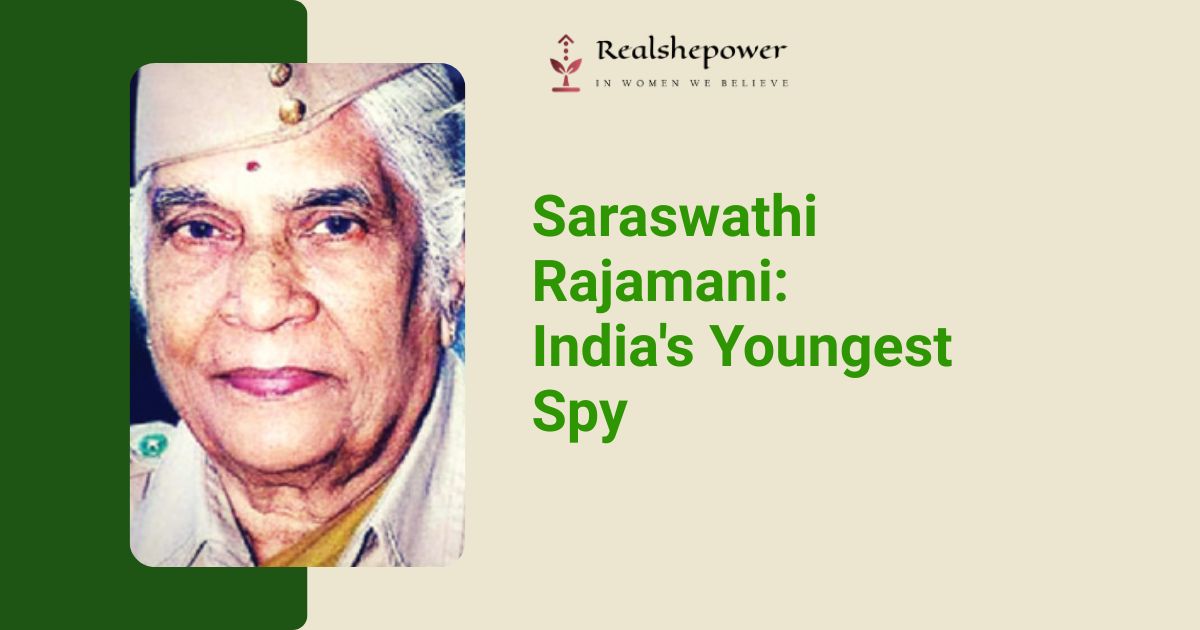
The story of Saraswathi Rajamani is one of extraordinary courage, sacrifice, and quiet resilience—a tale that began not in legend, but in the turbulent years of India’s freedom struggle.
Born on January 11, 1927, in Rangoon (now Yangon, Myanmar), Saraswathi grew up in a wealthy Indian family. Her father owned a prosperous gold mine, affording her a life of luxury: fine clothes, jewels, and comfort. Yet, from a young age, she was steeped in patriotism. At just 10 years old, she shocked Mahatma Gandhi during a visit to her home by demonstrating her shooting skills and declaring her intent to “shoot the British.”
Her life changed dramatically in 1942, at the age of 16, when Netaji Subhas Chandra Bose arrived in Rangoon to rally support for the Indian National Army (INA). Inspired by his fiery speech—”Give me blood, and I shall give you freedom“—Saraswathi impulsively removed her gold and diamond jewelry and donated it all to the INA fund.
The next day, Netaji personally visited her home to return the valuables, believing the young girl had acted impulsively. But Saraswathi stood firm, gazing directly at him: “This is an offering to my country, and what I have given, I do not take back.” Impressed by her resolve, Netaji renamed her “Saraswathi” (symbolizing wisdom) and recruited her into the INA’s Rani of Jhansi Regiment, the all-women unit he had formed.
Recognizing her potential for covert work, Netaji assigned Saraswathi and a small group of young women to the INA’s intelligence wing. Their long hair was cut short, and they donned loose shirts and trousers. Saraswathi adopted the alias “Mani” and disguised herself as a boy.
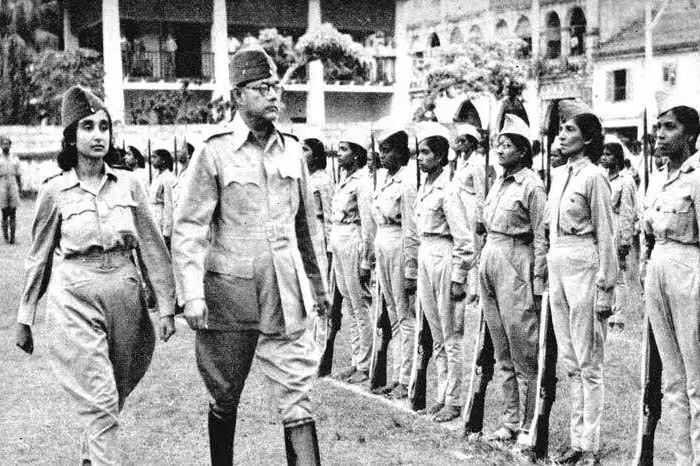
For nearly two years, these teenage spies infiltrated British military camps in Burma (Myanmar). Posing as servants—polishing shoes, serving tea, and cleaning—they eavesdropped on officers who carelessly discussed war plans in their presence, assuming the “local boys” understood no English. Mani memorized critical details: bombing targets, supply routes, and troop movements. She would later scribble notes on scraps of paper, hide them in bread or shoes, and smuggle them to INA handlers.
The danger was constant. One day, a fellow spy was captured by the British and imprisoned, facing imminent torture. Despite warnings and the INA’s strict rule to avoid live capture, Saraswathi refused to abandon her comrade. That night, she infiltrated the heavily guarded camp—some accounts say disguised as a dancer—drugged the guards with opium-laced food or drink, stole the keys, and freed her friend.
As they fled, alarms sounded, searchlights swept the area, and bullets rained down. A shot tore through Saraswathi’s leg, causing severe bleeding and excruciating pain. Yet she pressed on, supporting her companion as they escaped into the dense jungle. Pursued by soldiers and dogs, they climbed a tall tree and hid there for three grueling days—without food, water, or medical aid—enduring fever and agony until the search was abandoned.
Limping and near collapse, they finally reached the INA camp. Netaji himself visited her bedside as doctors extracted the bullet. Saluting the 16-year-old, he called her “India’s first female spy” and likened her to Rani Lakshmibai, the legendary warrior queen. He promoted her to Lieutenant and offered her a prized pistol, but Saraswathi sought only one reward: India’s freedom.
After World War II and the INA’s disbandment, Saraswathi and her family sacrificed their wealth for the cause and returned to India. Independence came in 1947, but recognition did not follow for many INA veterans, including her. For decades, she lived modestly in Chennai, facing financial hardship in a simple one-room home. Freedom fighters’ pensions for INA members were delayed until 1971, and even then, they were meager.
In her later years, media attention led to assistance: in 2005, Tamil Nadu’s Chief Minister provided her a better flat and financial aid. True to her selfless spirit, Saraswathi donated much of her pension and aid—including to relief efforts after the 2004 Indian Ocean tsunami and sewed clothes for orphanages.
Saraswathi Rajamani passed away on January 13, 2018, at age 91. Though overlooked for much of her life, her story has since inspired books, documentaries, and films, ensuring her bravery as one of India’s youngest and most daring spies endures. She exemplified unwavering patriotism, proving that true heroes often live in quiet obscurity, their sacrifices lighting the path to freedom.
MUST READ

Rampyari Gurjar — The Warrior Who Defied Taimur’s Tyranny
Explore the inspiring story of Veerangana Rampyari Gurjar, whose bravery and resilience stood firm against Taimur’s oppressive campaign, leaving a legacy of courage in Indian history.
→ Read Full StoryMUST READ
Hadi Rani — The Legendary Valor of a Rajput Queen
Discover the extraordinary courage, sacrifice, and warrior spirit of Hadi Rani, a Rajput queen whose legacy of honor continues to inspire women and history lovers.
→ Read Full Story