This MBA Graduate Ditched Her Corporate Career to Farm Vegetables—Now She Earns Rs 1.5 Crore Annually!

Would you believe it if someone told you that a corporate MBA graduate is making crores not in a high-rise office but on a humble farm? Meet Smarika Chandrakar, the dynamic entrepreneur who left her high-paying corporate job to turn her family farm into a flourishing business, proving that profitable vegetable farming is not just a dream but a lucrative reality.
From Corporate Hustle to Farming Roots
Born and raised in Charmudia village, Chhattisgarh, Smarika grew up surrounded by lush paddy fields, learning the basics of farming from her father and grandfather. But life took her down a different path when she pursued computer science engineering in Raipur and later an MBA in Pune. Like many ambitious young professionals, she climbed the corporate ladder, working as a senior business development executive in Pune for over five years.
Yet, the call of the soil was irresistible. Frequent weekends spent at her family farm rekindled her passion for agriculture. Discussions at the dinner table often revolved around boosting farm productivity and profitability. This curiosity led Smarika to experiment with profitable vegetable farming on her family’s land. Little did she know, this experiment would soon transform her life and livelihood.
The Leap of Faith
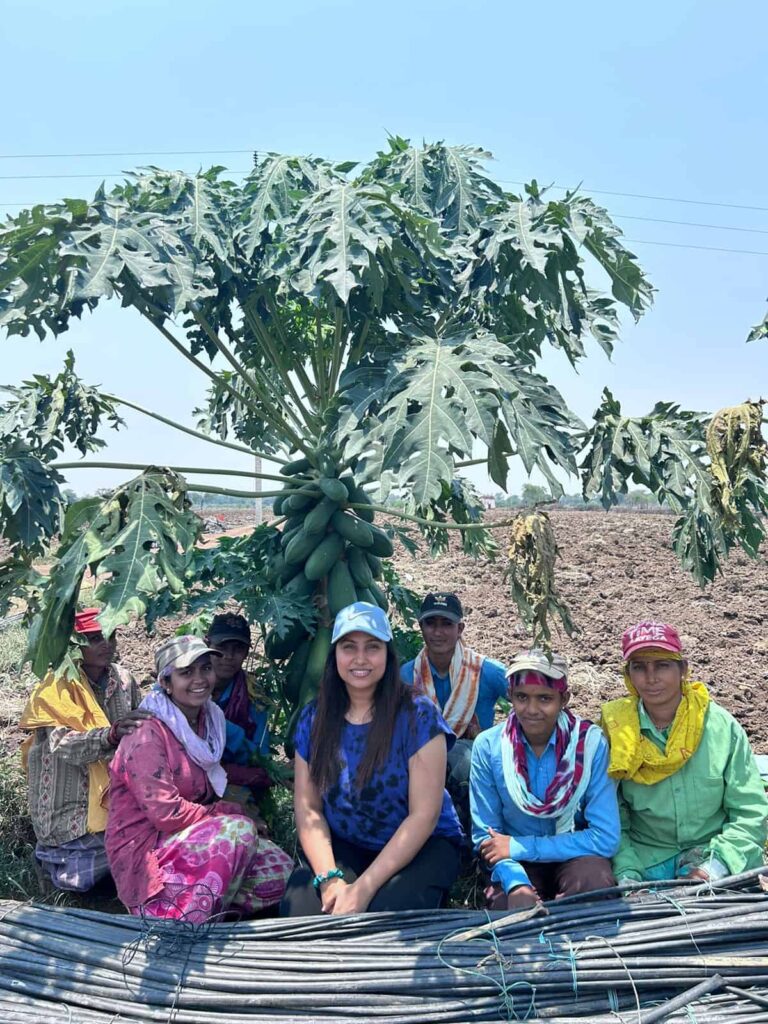
By 2021, Smarika had made a bold decision: she quit her corporate job to become a full-time farmer. Armed with a vision and a determination to succeed, she began cultivating vegetables on 20 acres of land. The results? Mind-blowing! Her very first tomato crop yielded an impressive 50 tonnes per acre, raking in a turnover of Rs 1.5 crore in just one financial year.
What Makes Vegetable Farming So Profitable?
Smarika’s success lies in understanding the dynamics of profitable vegetable farming. Unlike traditional crops like rice and wheat, which have long growth cycles and limited harvests, vegetables offer multiple harvests throughout the year due to their shorter growth cycles.
As Dilip Rajan, COO of East-West Seed Global, puts it, “Vegetable farming offers three benefits: increased incomes for farmers, improved consumer health, and a revitalized economy. When vegetables grow, people thrive.” Smarika took this insight to heart, laying the foundation for her thriving venture.
Turning Soil Into Gold
Smarika’s first step was preparing the land meticulously. With the help of an agricultural consultant, she improved soil health using cow dung and vermicompost. The soil was left to bask in the sunlight for months, fenced, and equipped with a proper drainage system. She even installed a drip irrigation system to ensure water efficiency. The raised beds she prepared for tomatoes were carefully mulched to conserve moisture and enhance soil fertility.
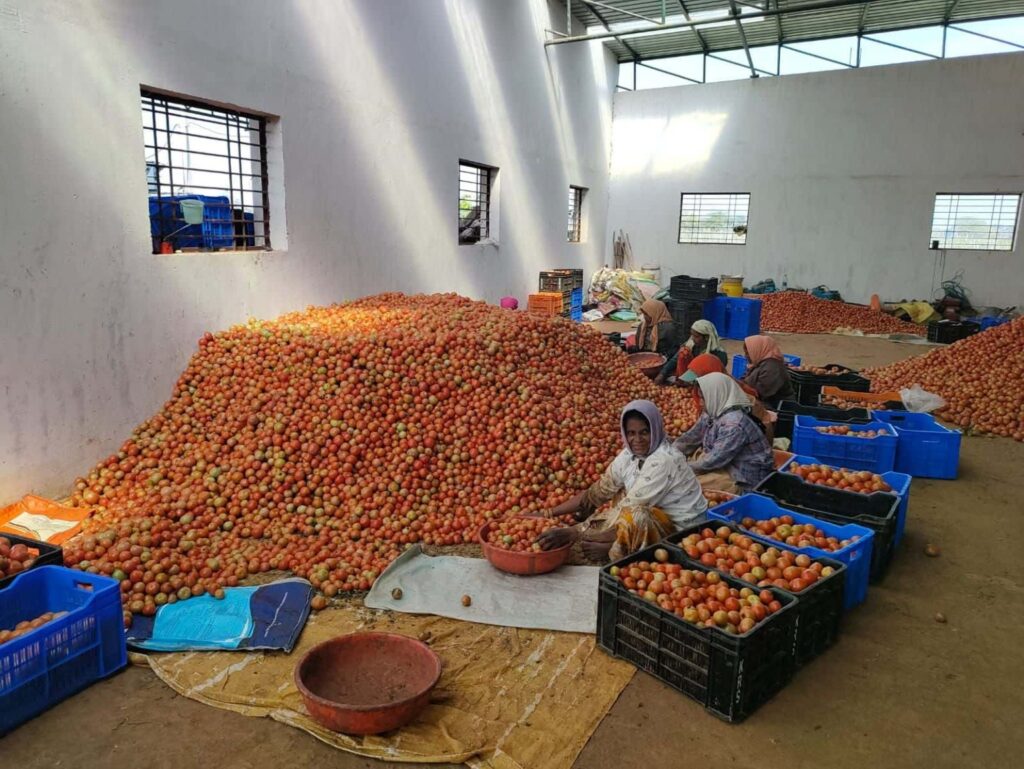
The results spoke for themselves. In her first year, her tomato harvest yielded about 50 tonnes per acre. She sold her produce in local mandis and major cities like Visakhapatnam, Patna, Kolkata, New Delhi, and Bengaluru. Smarika’s strategic partnerships with brokers, where prices were fixed in advance, ensured a steady stream of revenue.
Expanding Horizons
Tomatoes were just the beginning. Smarika expanded her venture to include gourds, cucumbers, and brinjals. With a sowing-to-harvest cycle of just three months, she’s now able to grow and harvest vegetables multiple times a year. “While we could harvest paddy only twice a year, vegetables allow us to harvest 3-4 times annually. The shorter growth cycle and increasing demand for fresh produce make profitable vegetable farming a game-changer,” she explains.
The Future of Farming
With 125 people employed on her farm, Smarika’s vision doesn’t stop here. She dreams of incorporating advanced farming technologies to further enhance productivity. For now, she’s focused on manual operations but plans to scale up as her business grows.
A Message to Aspiring Farmers
“Who says farming cannot be profitable?” Smarika asks.
Her story busts the myth that agriculture is a low-yield, non-viable profession. With the right strategies, dedication, and a willingness to innovate, she’s proven that profitable vegetable farming is not only possible but also immensely rewarding.
Her journey is a testament to the power of blending traditional knowledge with modern techniques. For anyone dreaming of leaving the corporate grind to pursue a passion, Smarika’s success is living proof that the fields of opportunity are fertile—all you need is the courage to sow the first seed.
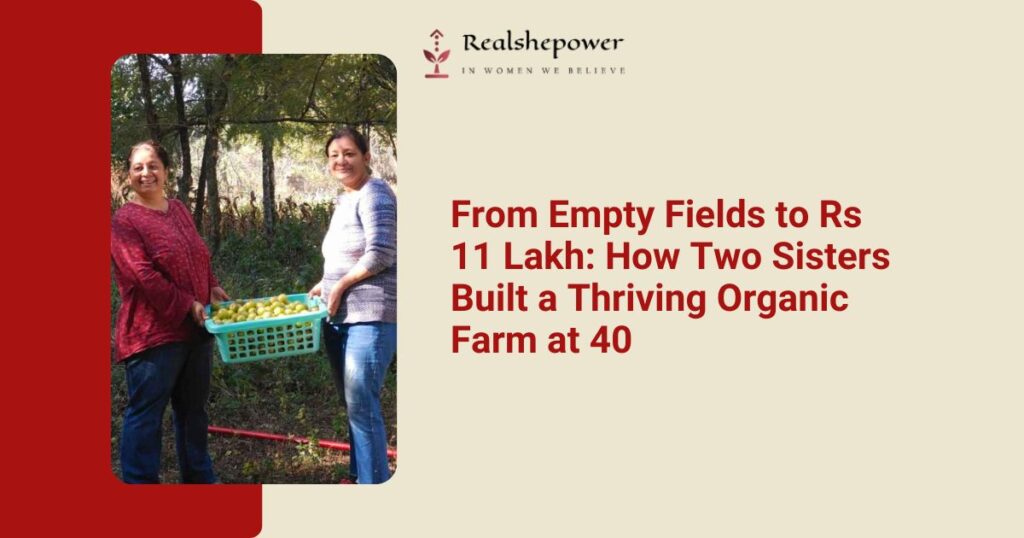
How Doon Gooseberry Farm Turned Two Sisters into Millionaires at 40—A Story You Can’t Miss!