The Divine Allure of Khatu Shyam Ji: A Journey of Faith and Miracles
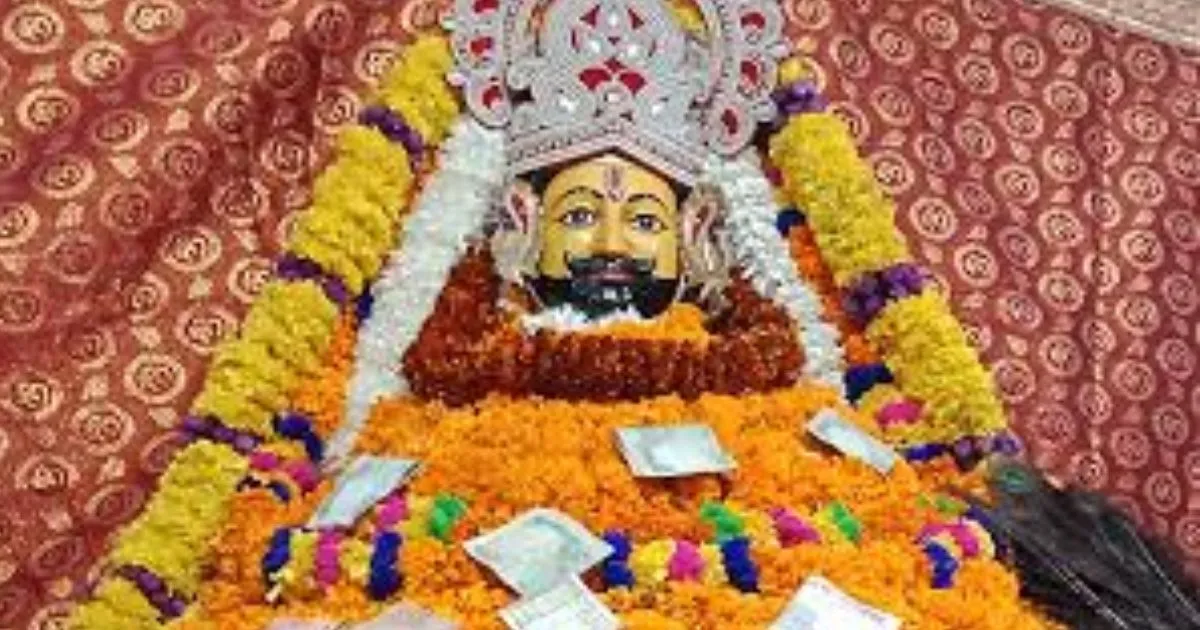
The spiritual landscape of India is dotted with numerous sacred sites, but few resonate with the emotional depth and unwavering devotion found at the Khatu Shyam Ji Temple in Sikar, Rajasthan. Often referred to as the “Support of the Helpless” (Haare Ka Sahara), Baba Shyam is considered the supreme deity of the Kali Yuga. His story is one of ultimate sacrifice, divine boons, and a presence that draws millions of pilgrims to the dusty trails of Rajasthan every year.
The Legend of Barbarika: The Ultimate Sacrifice
The origin of Khatu Shyam Ji traces back to the Mahabharata. Before he was worshipped as Shyam, he was Barbarika, the son of Ghatotkacha and grandson of Bhima. Known for his immense strength and his three infallible arrows, Barbarika vowed to fight for the side that was losing. Recognizing that this vow could lead to the total destruction of both armies, Lord Krishna approached him disguised as a Brahmin.
In a test of faith, Krishna asked for Barbarika’s head as a charity (daan). Without a moment’s hesitation, Barbarika complied. Pleased by this unparalleled sacrifice, Krishna bestowed a boon upon him: in the Kali Yuga, Barbarika would be worshipped by Krishna’s own name—Shyam. Today, the temple at Khatu houses the head (Sheesh) of this legendary warrior, discovered centuries later buried in the earth.
Architectural Splendor and the Sacred Sarovar
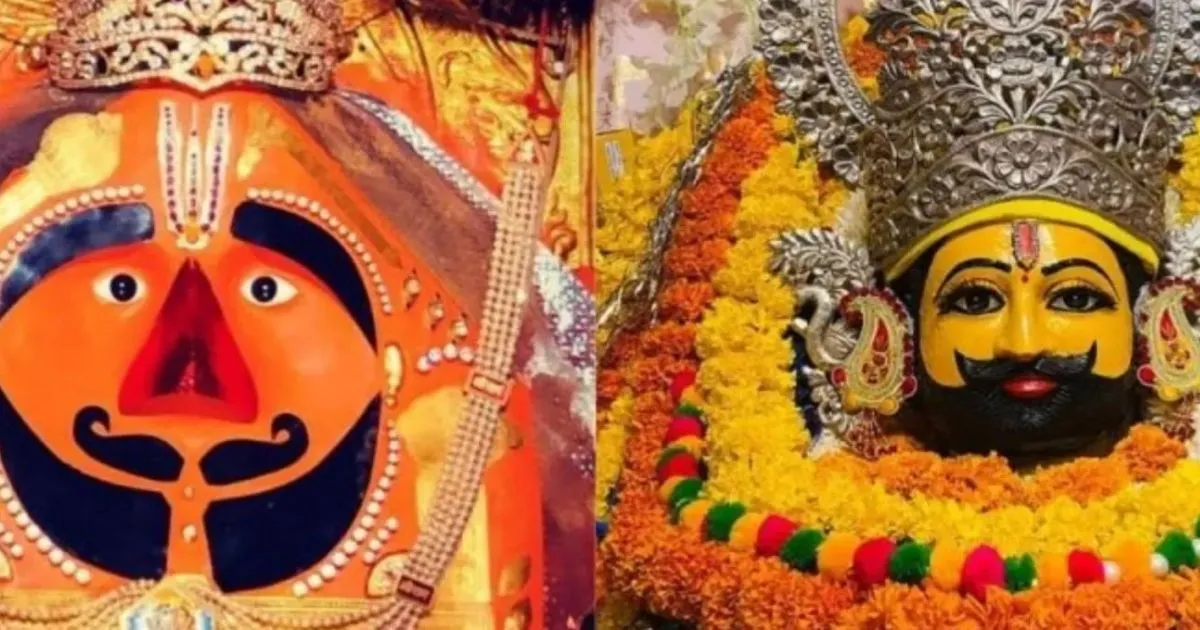
The temple itself is a marvel of white marble and intricate carvings. As devotees enter the complex, the atmosphere shifts into one of intense spiritual energy. The chants of “Jai Shree Shyam” echo through the marble halls, creating a rhythmic pulse that guides the faithful toward the sanctum.
Nearby lies the Shyam Kund, a holy pond where the head of Barbarika was reportedly found. It is a common ritual for devotees to take a dip in these waters, believing that the pond possesses healing properties and the power to wash away sins. The belief is simple yet profound: a dip in the Kund followed by a darshan of the deity can turn one’s fortunes around.
The Grand Celebration: Phalgun Mela
While the temple is busy year-round, the energy peaks during the Phalgun Mela, held annually between the Ashtami and Baras of the Phalgun month. During this time, the entire town of Khatu is transformed into a sea of colorful flags (Nishans). Devotees often walk hundreds of kilometers barefoot, carrying these flags as a symbol of their surrender and devotion. The mela is not just a religious gathering; it is a cultural phenomenon where folk music, bhajans, and community kitchens (Bhandaras) create a sense of universal brotherhood.
Why Khatu Shyam Ji is the ‘Sahara’ of Millions
In a world that often feels chaotic, Khatu Shyam Ji represents a beacon of hope for those who have lost their way. He is known as Lakhdatar (the giver of lakhs), emphasizing his reputation for boundless generosity. Unlike many other pilgrimages where rituals are rigid, the connection at Khatu is deeply personal. It is a place where tears are shed freely, and the “King of Sheesh” is whispered to as a friend, a father, and a protector.
The experience of visiting Khatu is more than just a religious duty; it is an emotional cleansing. As the sun sets over the Rajasthan sands and the evening Aarti begins, the golden glow of the deity’s face provides a sense of peace that lingers long after the pilgrim has returned home. For the broken-hearted and the weary, Khatu Shyam Ji remains the ultimate destination for solace.
Key Spiritual Concepts
| Concept | Significance |
| Haare Ka Sahara | Meaning “Support of the Defeated”; pilgrims believe those lost or broken find refuge here. |
| Sheesh Ke Daani | “The Donor of the Head,” referring to Barbarika’s ultimate sacrifice. |
| Nishan Yatra | A ritual where devotees carry colorful flags (Nishans) on foot, often starting from Ringas. |
| Shyam Kund | The holy pond where the deity’s head was reportedly found; believed to have healing powers. |
Important Pilgrimage Windows
The temple experiences its highest footfall during specific lunar cycles and festivals:
- Phalgun Mela: The most significant annual fair, occurring in February or March. It culminates on the 12th day (Dwadashi) of the waxing moon.
- Ekadashi & Dwadashi: Every month, the 11th and 12th days of the bright lunar fortnight are considered particularly auspicious for darshan.
- Aarti Times: The deity is offered five different Aartis daily (Mangala, Shringar, Gwal, Rajbhog, and Shayan), each with unique hymns and offerings.