Top 10 Hidden Wonders of the World: A Journey to Earth’s Secret Marvels
The world is a tapestry of wonders, from the towering pyramids of Giza to the majestic Grand Canyon, drawing millions to their iconic beauty each year. Yet, beyond these celebrated landmarks lie hidden treasures, places of extraordinary natural splendor, cultural depth, or historical significance that remain largely unknown to the average traveler. These “hidden wonders” are often tucked away in remote corners, accessible only to those willing to venture off the beaten path. They offer a sense of discovery, a connection to the planet’s untold stories, and an escape from the crowds that flock to more famous sites.
In this exploration, we uncover the top 10 hidden wonders of the world, each a masterpiece of nature or human ingenuity, deserving of recognition and awe. From crimson wetlands to subterranean churches, this journey will guide you through these secret marvels, revealing their beauty, history, and allure.
1. Panjin Red Beach, China: A Crimson Canvas of Nature
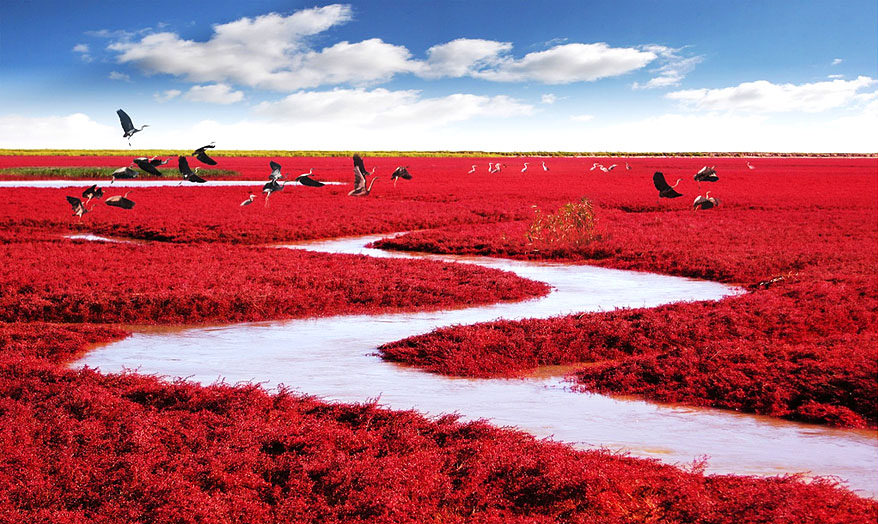
In the Liaodong Bay of northeastern China, approximately six hours by road from Beijing, lies Panjin Red Beach, a wetland that transforms into a breathtaking scarlet spectacle each autumn. This natural wonder, covering over 100,000 acres, owes its vibrant hue to a rare species of seaweed called Suaeda salsa. Thriving in the saline-alkaline soil of the Liaohe River Delta, the seaweed turns a brilliant red as the seasons shift, painting the landscape in a way that feels almost otherworldly. Unlike traditional beaches with sand and surf, Panjin is a marshland, crisscrossed by wooden boardwalks that allow visitors to wander through this crimson sea without disturbing its delicate ecosystem.
The Red Beach is not just a visual marvel but an ecological treasure. It serves as a critical habitat for migratory birds, including the rare red-crowned crane, and supports a complex web of marine life. The area’s isolation, far from China’s bustling urban centers, has kept it a well-guarded secret, known primarily to locals and a handful of dedicated travelers. Visitors can explore designated paths, capturing the surreal contrast of red against the blue sky, especially at sunset when the colors intensify. The surrounding city of Panjin offers modest accommodations, but the real draw is the beach itself, a place where nature’s palette defies expectation.
To visit, travelers must plan carefully, as the red hue peaks in September and October. The journey requires a mix of trains or buses from Beijing, followed by local transport to the Shuangtaizi Wetland Nature Reserve. The effort is rewarded with a serene experience, free from the crowds of more famous sites like the Great Wall. Panjin Red Beach reminds us that nature can create art as bold and breathtaking as any human masterpiece, waiting to be discovered by those willing to seek it out.
2. Little Petra (Siq al-Barid), Jordan: A Forgotten Nabataean Gem
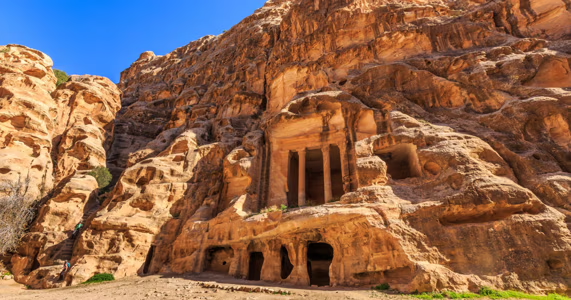
While Petra, Jordan’s ancient rose-red city, captivates global audiences, its smaller sibling, Little Petra, remains a hidden jewel just a few miles away. Known as Siq al-Barid, or “Cold Canyon,” this archaeological site offers a quieter, more intimate glimpse into the world of the Nabataeans, a nomadic Arab people who thrived over 2,000 years ago. Carved into the sandstone cliffs of the Jordanian desert, Little Petra mirrors its larger counterpart with intricately sculpted facades, tombs, and triclinia (dining halls), but on a smaller, less tourist-trodden scale.
Little Petra was likely a suburb or trading outpost of Petra, used for entertaining merchants along ancient caravan routes. Its narrow gorge, lined with rock-cut structures, feels like a secret passageway to the past. Highlights include the Painted Biclinium, a chamber with rare frescoes of grapevines and cherubs, hinting at the Nabataeans’ sophisticated culture. The site’s intimacy allows visitors to explore at a leisurely pace, unhindered by the crowds that swarm Petra’s Treasury. Nearby, Bedouin communities welcome travelers with tea and tales, sharing traditions that echo their ancestors’ way of life.
Reaching Little Petra requires a short drive from Wadi Musa, the gateway to Petra, but its relative obscurity ensures a peaceful visit. The site is free to enter, and local guides can enhance the experience with stories of Nabataean trade and ingenuity. For those seeking a deeper connection, camping with Bedouin hosts under the desert stars offers an unforgettable cultural immersion. Little Petra is a testament to the idea that some of history’s greatest treasures are found in the shadows of the more famous.
3. Waitomo Glowworm Caves, New Zealand: A Subterranean Starry Sky
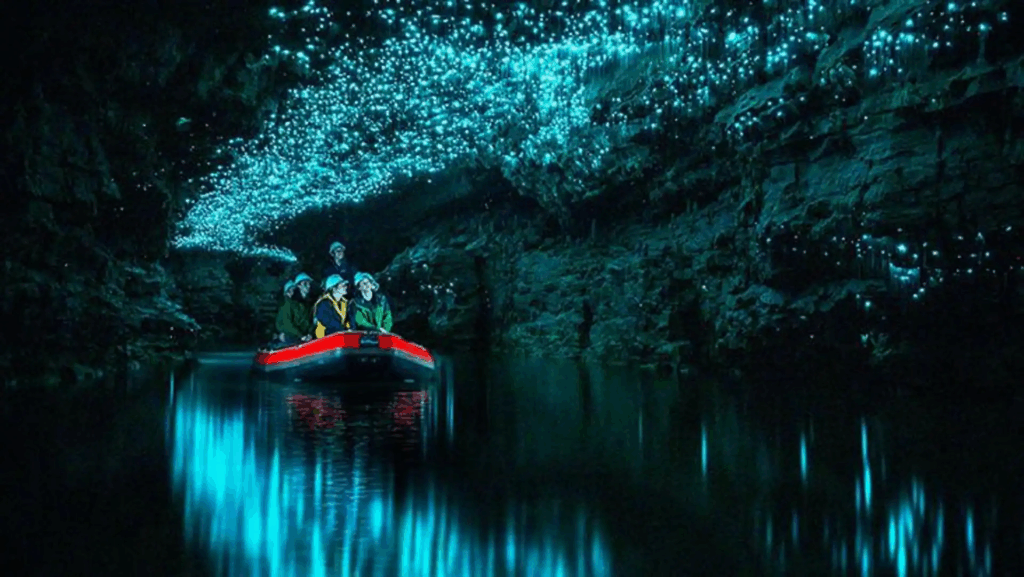
Beneath the rolling green hills of New Zealand’s North Island, the Waitomo Glowworm Caves offer a natural spectacle that feels like stepping into a science fiction dream. These limestone caverns, formed over millions of years, are home to thousands of bioluminescent glowworms (Arachnocampa luminosa), tiny creatures that emit a soft, blue-green light. As visitors glide through the caves on silent boat tours, the ceiling sparkles like a starry night, creating an ethereal atmosphere unlike anything on the surface.
The glowworms, unique to New Zealand, use their light to attract prey, weaving delicate silk threads to capture insects. The caves’ cool, damp environment provides the perfect habitat, and the Waitomo River’s gentle flow enhances the tranquility of the experience. Beyond the iconic boat tours, adventurous visitors can opt for black-water rafting or abseiling to explore deeper sections of the cave system, where stalactites and stalagmites add to the geological wonder.
Located about three hours from Auckland, the caves are accessible yet far enough from major tourist hubs to remain a hidden gem. Guided tours ensure the delicate ecosystem is protected, and photography restrictions preserve the magic for future visitors. The Waitomo Glowworm Caves are a reminder of nature’s ability to create beauty in the most unexpected places, offering a glimpse of a hidden world beneath our feet.
4. Kipinas Monastery, Greece: A Cliffside Sanctuary
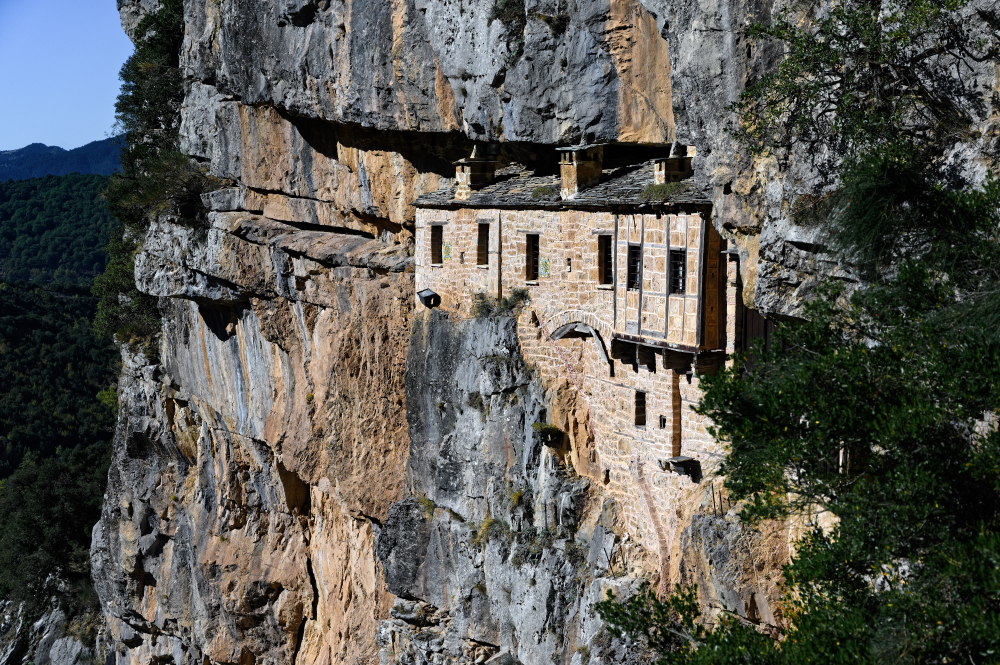
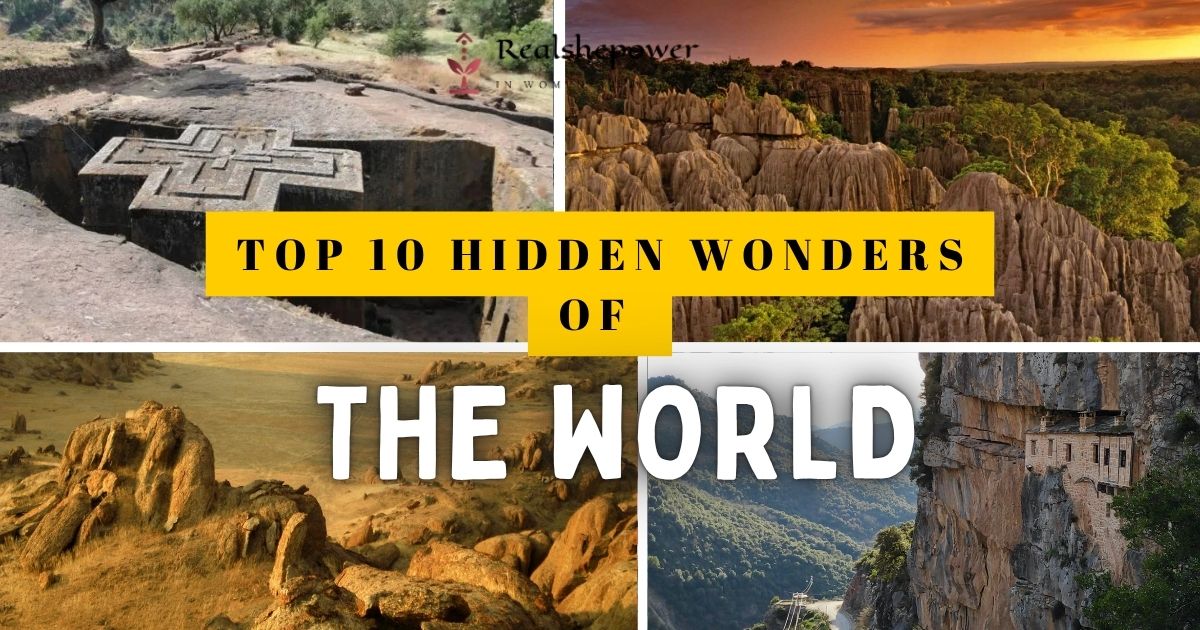
In the rugged Pindus Mountains of northwestern Greece, Kipinas Monastery clings to the side of a vertical cliff like a scene from a medieval legend. Built in the 13th century, this Orthodox sanctuary is a marvel of human determination, its small stone facade concealing a deep cave system that stretches 250 meters into the rock. Inside, a beautifully painted chapel glows with golden icons and frescoes, a testament to the monks who sought solitude in this remote refuge.
Accessing Kipinas is an adventure in itself. A narrow path, carved into the cliff, leads to the monastery’s entrance, offering breathtaking views of the surrounding valleys. The site’s isolation, near the village of Kalarrites, has preserved its serenity, with only the occasional hiker or pilgrim making the trek. The cave’s natural acoustics amplify the silence, creating a meditative atmosphere that feels worlds away from modern life.
Visitors can explore the chapel and parts of the cave, though caution is advised due to the precarious location. The nearby town of Ioannina provides a base for those wishing to combine a visit with explorations of the Zagori region’s stone villages and gorges. Kipinas Monastery is a hidden wonder that blends spirituality, architecture, and nature, inviting those who seek it to step into a forgotten chapter of Greece’s history.
5. Trou de Fer, Réunion: The Iron Hole’s Majestic Cascades
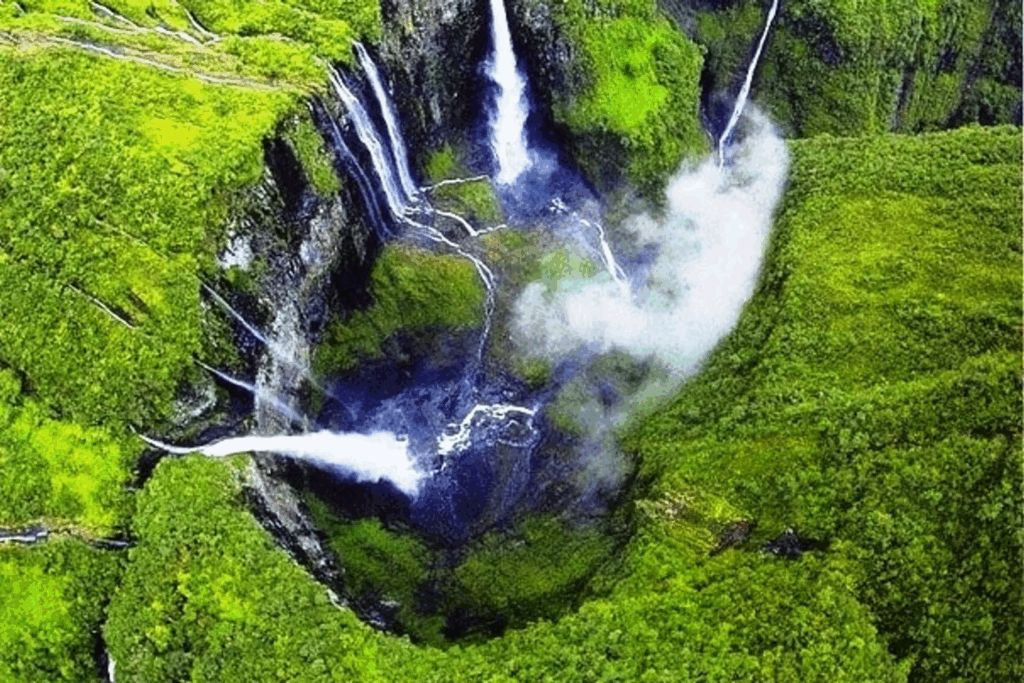
On the volcanic island of Réunion, a French overseas territory in the Indian Ocean, Trou de Fer, or the “Iron Hole,” is a geological masterpiece that few travelers have witnessed. This dramatic gorge, carved into the island’s lush interior, features six waterfalls that plunge into a verdant basin surrounded by dense rainforest. The tallest cascade drops over 300 meters, creating a misty spectacle that feels like a secret kept by the island itself.
Reaching Trou de Fer requires effort. Adventurous hikers can trek through Réunion’s rugged terrain, navigating trails that wind through tropical forests and volcanic landscapes. For those seeking a less strenuous option, helicopter tours offer a bird’s-eye view of the gorge’s cascading beauty. The site’s remoteness, far from the island’s more popular beaches, ensures a sense of exclusivity, with only the sounds of water and wildlife breaking the silence.
Réunion’s unique blend of French and Creole culture adds to the allure, with nearby villages offering local cuisine like rougail saucisse. Trou de Fer is a hidden wonder for those who crave nature’s raw power, rewarding the journey with a scene that feels untouched by time.
6. Kaokoveld, Namibia: A Cultural and Natural Oasis
In the arid northwest of Namibia, Kaokoveld is a region where the past and present converge in a landscape of stark beauty. Home to the semi-nomadic Himba people, this remote area along the Kunene River is a cultural wonder, preserving traditions that have endured for centuries. Himba women are known for their striking appearance, using otjize (a mixture of butter, ochre, and herbs) to coat their skin and hair, symbolizing beauty and protection from the harsh desert sun.
Kaokoveld’s rugged terrain, dotted with acacia trees and rocky outcrops, is as captivating as its cultural heritage. The Kunene River, a lifeline in this arid region, supports wildlife like desert-adapted elephants and antelopes, making it a haven for eco-conscious travelers. Visiting requires a 4×4 vehicle and a guide, as roads are rough and settlements sparse. Ethical tourism initiatives allow visitors to engage with Himba communities respectfully, learning about their customs through shared meals or storytelling.
Far from Namibia’s more visited Etosha National Park, Kaokoveld remains a hidden gem, offering a profound connection to a way of life untouched by globalization. It’s a place where the land and its people tell a story of resilience and harmony.
7. Dochula Pass Chortens, Bhutan: A Himalayan Sanctuary
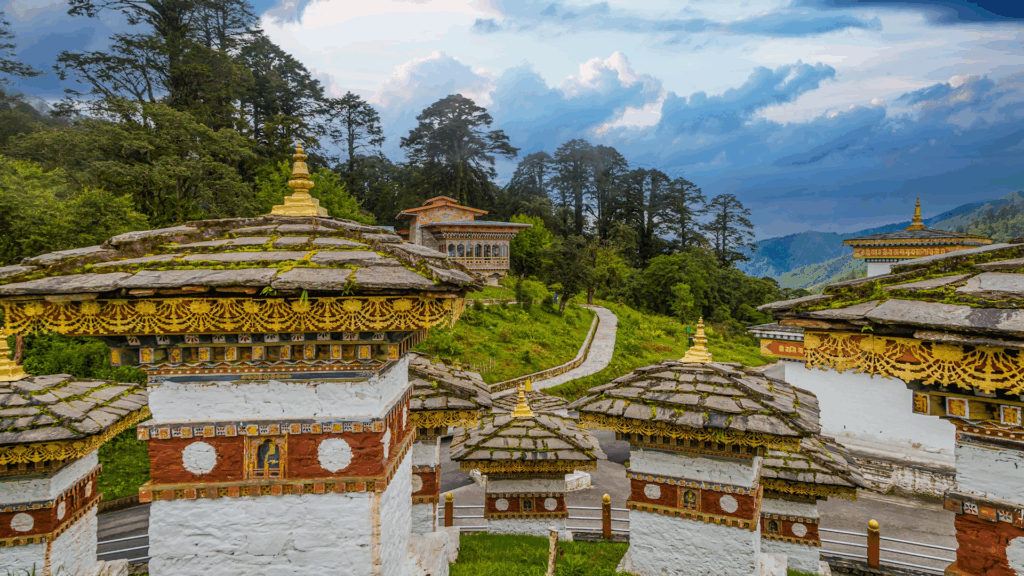
In the Himalayan kingdom of Bhutan, where happiness is a national philosophy, Dochula Pass is a hidden spiritual and scenic wonder. Located at 3,100 meters above sea level, this mountain pass is home to 108 chortens (Buddhist stupas), built to honor lives lost in a military operation. Surrounded by snow-capped peaks, the site offers panoramic views of the Himalayas, with prayer flags fluttering in the breeze.
Unlike Bhutan’s famous Paro Taktsang (Tiger’s Nest), Dochula Pass sees fewer visitors, making it a serene retreat for reflection. The chortens, arranged in neat rows, are a striking contrast to the rugged landscape, and the nearby Druk Wangyal Lhakhang temple adds to the spiritual ambiance. The pass is accessible by road from Thimphu, Bhutan’s capital, and is especially magical in winter when snow dusts the peaks.
Visiting Bhutan requires a guided tour and a daily tariff, but the experience of Dochula Pass blending natural beauty with cultural reverence makes it a hidden wonder worth the journey. It’s a place to pause, breathe, and marvel at the harmony of the Himalayas.
8. Lalibela’s Monolithic Churches, Ethiopia: Subterranean Sanctuaries
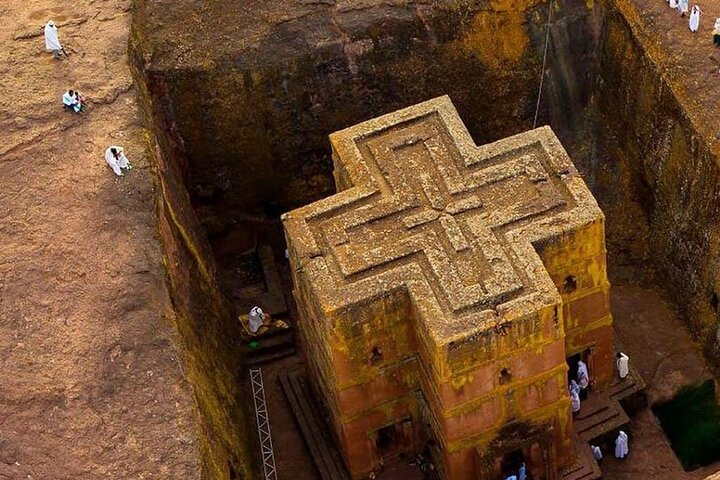
In Ethiopia’s Amhara region, the town of Lalibela is home to 11 rock-hewn churches, carved directly from volcanic tuff in the 12th century. These monolithic structures, a UNESCO World Heritage Site, are a hidden wonder of human devotion and architectural ingenuity. Unlike Europe’s soaring cathedrals, Lalibela’s churches are subterranean, dug into the earth to create sacred spaces that feel both intimate and monumental.
The most iconic, Bet Giyorgis, is shaped like a Greek cross and surrounded by a trench, its roof visible at ground level. Each church is adorned with carvings, frescoes, and passageways, reflecting Ethiopia’s ancient Christian heritage. Pilgrims still gather here, especially during festivals like Timkat, filling the air with chants and incense. Lalibela’s remote location has kept it off the mainstream tourist trail, preserving its spiritual authenticity.
Travelers can reach Lalibela by domestic flight or a long overland journey from Addis Ababa. Local guides provide insights into the churches’ history, believed to have been built under divine inspiration. Lalibela is a hidden wonder that speaks to the power of faith and craftsmanship, inviting visitors into a sacred world carved from stone.
9. Tsingy de Bemaraha, Madagascar: The Stone Forest
On Madagascar’s western coast, Tsingy de Bemaraha National Park is a geological marvel known as the “stone forest.” Jagged limestone pinnacles, sculpted by erosion over millions of years, create a labyrinthine landscape that feels like another planet. This UNESCO site is home to unique ecosystems, with rare species like the Decken’s sifaka lemur thriving in its crevices.
Accessing Tsingy requires a challenging journey, involving flights to Antananarivo, followed by 4×4 travel and treks across suspension bridges. The park’s trails range from moderate to extreme, with via ferrata routes for the daring. The effort is rewarded with views of razor-sharp spires, hidden caves, and lush oases nestled within the stone. Its remoteness ensures a sense of adventure, with few visitors disrupting the pristine environment.
Tsingy de Bemaraha is a hidden wonder for those who seek nature’s most surreal creations, offering a glimpse into a world where geology and biodiversity converge in spectacular fashion.
10. Salar de Uyuni, Bolivia: The Mirror of the Sky
In Bolivia’s high-altitude Altiplano, Salar de Uyuni is the world’s largest salt flat, stretching over 10,000 square kilometers. During the rainy season (December to April), it transforms into a mirror-like expanse, reflecting the sky in a surreal panorama that blurs the horizon. This otherworldly landscape, dotted with cacti-covered islands and flamingo colonies, feels like a dreamscape.
Reaching Salar de Uyuni involves a flight to Uyuni or a long bus ride from La Paz, followed by guided 4×4 tours. Visitors can explore salt hotels, ancient Incahuasi Island, and vibrant lagoons nearby. While gaining some recognition, the salt flat’s vastness and remoteness keep it a hidden wonder, offering solitude and awe-inspiring beauty.
Salar de Uyuni is a testament to nature’s ability to create landscapes that defy imagination, inviting travelers to stand on the edge of reality and reflect on the planet’s boundless wonders.
Embracing the Unknown
These 10 hidden wonders—spanning wetlands, caves, monasteries, gorges, deserts, mountains, churches, stone forests, and salt flats—reveal the diversity and magic of our planet. Each requires effort to reach, whether through remote treks, cultural immersion, or careful planning, but the reward is an experience untainted by mass tourism. They remind us that the world still holds secrets, waiting for those who seek adventure, beauty, and connection.
When visiting these sites, respect is paramount. Follow local guidelines, support sustainable tourism, and tread lightly to preserve these treasures for future generations. Check travel advisories, plan for seasonal conditions, and embrace the journey as part of the wonder. Whether you’re drawn to the crimson tides of Panjin or the starry glow of Waitomo, these hidden marvels invite you to explore the Earth’s untold stories, one discovery at a time.