I Was Shattered Watching Chiraiya: A Woman’s Raw, Honest Review of Marital Rape in Indian Marriage
I watched Chiraiya in one breathless sitting, the kind where you forget dinner, forget the clock, and feel your own chest tighten with every frame. As a woman who has grown up hearing “shaadi ke baad sab theek ho jaata hai,” this six-episode JioHotstar series didn’t just entertain me it reached into the quiet corners of my own conditioning and yanked them into the light. Directed by Shashant Shah and written by Divy Nidhi Sharma, Chiraiya is not a polished prestige drama. It is raw, sometimes clunky, occasionally preachy, but it is also one of the bravest things Indian OTT has dared to put on screen in 2026. It stares straight at marital rape not as a footnote, not as “bedroom ka mamla,” but as the violent betrayal it is—and refuses to blink.
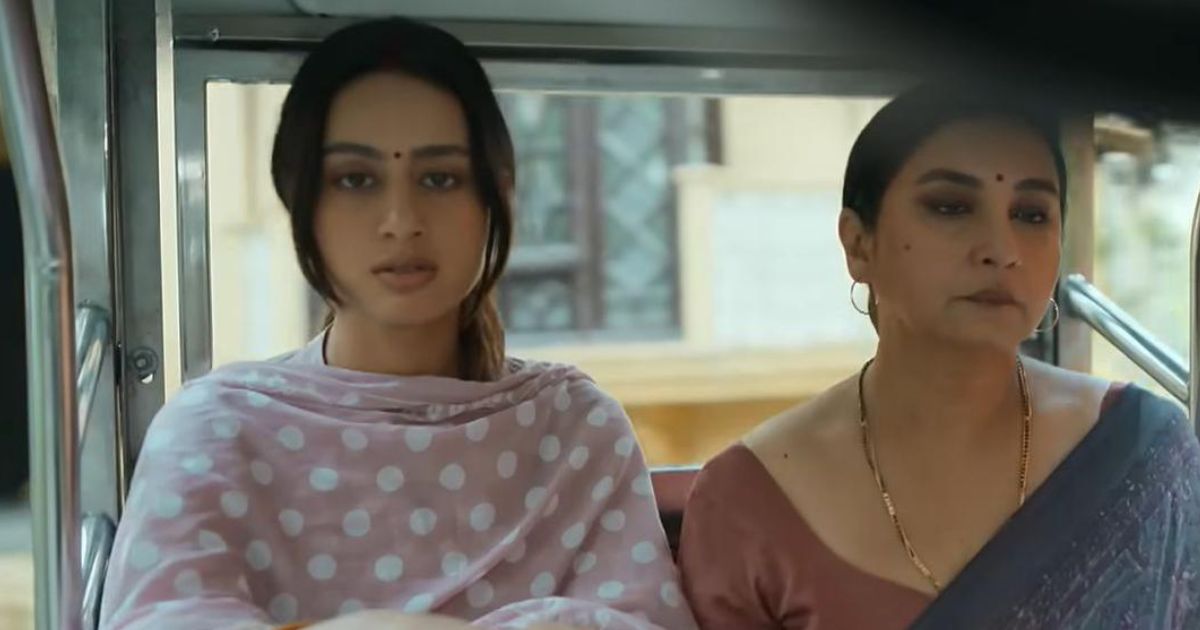
The story unfolds in a middle-class Lucknow household that looks picture-perfect from the outside: poet-patriarch Papaji (Sanjay Mishra) quoting verses about women’s freedom while ruling with velvet-gloved control; his elder son Vinay (Faisal Rashid) playing the rare “good husband”; and at the heart of it all, Kamlesh (Divya Dutta), the bahu who has spent decades perfecting the art of being indispensable. She raised her devar Arun (Siddharth Shaw) like her own child after “failing” to produce a son. She runs the kitchen, the rituals, the unspoken rules. When Arun marries Pooja (Prasanna Bisht), an educated, opinionated young woman, the family expects her to fold neatly into the same mould. Instead, on their wedding night, Arun rapes her. Not in some shadowy alley, but inside the sacred bed of marriage, where society has told us consent is a pre-paid lifetime subscription.
Let me be brazen here, because the show is, and we must be: marital rape is not “rough sex” or “husband’s right.” It is rape. Full stop. The terror of waking up next to the man who just violated you while the entire house sleeps under the illusion of “family honour” is something Chiraiya forces you to feel in your bones. Pooja’s trembling hands, her silent screams, the way she flinches when Arun touches her shoulder in front of everyone, these are not dramatic flourishes. They are the everyday reality for countless Indian women whose “no” evaporated the moment the mangalsutra was tied. The series doesn’t sensationalise the act with lingering camera work or exploitative close-ups; it shows the aftermath—the shame, the gaslighting, the isolation and that restraint makes it hurt more.
What elevates Chiraiya beyond a simple “issue-based” drama is its insistence on showing how women themselves become gatekeepers of the very system that crushes them. Kamlesh is not a villain; she is every aunt, every mother-in-law, every “sanskaari” woman I have ever known including, if I’m brutally honest, parts of myself. She has internalised patriarchy so deeply that she once taught Arun that boys can do no wrong. When Pooja whispers her truth, Kamlesh’s first instinct is denial: “Arre, yeh toh pati hai.” That single line landed like a slap. Because I have heard women defend worse in the name of “adjusting.” Divya Dutta’s performance is a masterclass in quiet devastation. Watch her eyes when the realisation hits how the perfect daughter-in-law slowly cracks, how she chooses sisterhood over the family she spent her life protecting. It is not loud feminism; it is the painful, messy unlearning that real change demands.
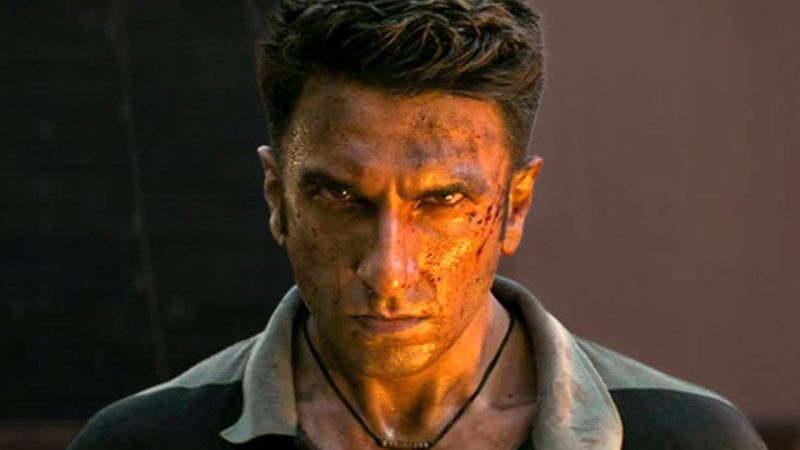
The men are written with uncomfortable nuance. Arun is not a moustache-twirling monster. He is the entitled man-child many of us have dated or married—the one who genuinely believes his love justifies everything. Siddharth Shaw plays him with such chilling sincerity that you almost pity him until you remember what he did. Papaji, the progressive poet, is the most dangerous character of all: the liberal man who champions women’s rights in public but crumbles when it threatens his own son’s “izzat.” Sanjay Mishra delivers this hypocrisy with devastating precision. And yet the show never lets the men off the hook by making them caricatures. It asks the harder question: how did we raise these boys to believe marriage is ownership?
As a woman watching this, the most piercing insight came from the show’s refusal to make Pooja the flawless survivor. She is angry, broken, sometimes unlikeable in her desperation and that feels authentic. Too many stories sanitise the victim so we can root for her comfortably. Chiraiya shows the ugliness of trauma: the bargaining with God, the suicidal thoughts, the rage at the women who should have protected her. Prasanna Bisht’s performance has been criticised in some reviews for lacking intensity, but I saw it differently. Her quietness is the point. Many of us don’t scream; we shrink, we comply, we survive until someone like Kamlesh finally sees us.
The series stumbles in places. Some dialogues feel lifted straight from an NGO workshop like long lectures on consent that pull you out of the emotional reality. The pacing in the middle episodes drags, and the finale rushes toward resolution in a way that feels a little too tidy for such a messy subject. Pooja occasionally slips into plot-device territory because the camera stays so relentlessly on Kamlesh’s awakening. But these flaws don’t dilute the impact. In a country where marital rape is still not recognised as a criminal offence in its full sense, Chiraiya is doing the cultural heavy lifting that laws have failed to do. It is planting the question in living rooms across India: Does marriage cancel consent? And the answer it screams, softly but relentlessly, is no.
I finished the last episode with tears I couldn’t explain to my husband when he walked in. Not because it was sad in a cinematic way, but because it was true. It reminded me of the thousands of “Chiraiyas” sitting at dinner tables tonight, smiling for the family while carrying invisible bruises. It made me text my closest friends: “Watch this. Not for entertainment. For the mirror it holds up.”
Chiraiya is not perfect television. But it is necessary television. It treats marital rape with the sensitivity it deserves without glorifying, without shying away, and with the brazen honesty we desperately need. If you are a woman who has ever been told “husband hai, adjust kar lo,” watch it. If you are a man who thinks love gives you rights over her body, watch it twice. And if you are someone who believes silence protects family honour, let this series break that illusion wide open.
In the end, the real chiraiya (the bird) doesn’t just sing. Sometimes it shatters the cage. Chiraiya is that shattering. And I, for one, am grateful it finally happened on our screens.