Love or Control? 51 Relationship Red Flags You Must Never Ignore

51 Relationship Red Flags
When we enter a new relationship, we often view everything through rose-colored glasses. The excitement of a new connection can make us overlook small things that feel like “quirks” but are actually serious warning signs. We tell ourselves that no one is perfect or that they are just going through a rough patch. However, there is a massive difference between a partner having a bad day and a partner who is fundamentally controlling or toxic.
A healthy relationship is built on mutual respect, trust, and the freedom to be yourself. A toxic or abusive relationship is built on power and control. If you feel like you are losing your sense of self, or if you are constantly modifying your behavior to avoid an explosion, you are likely dealing with red flags that need your immediate attention.
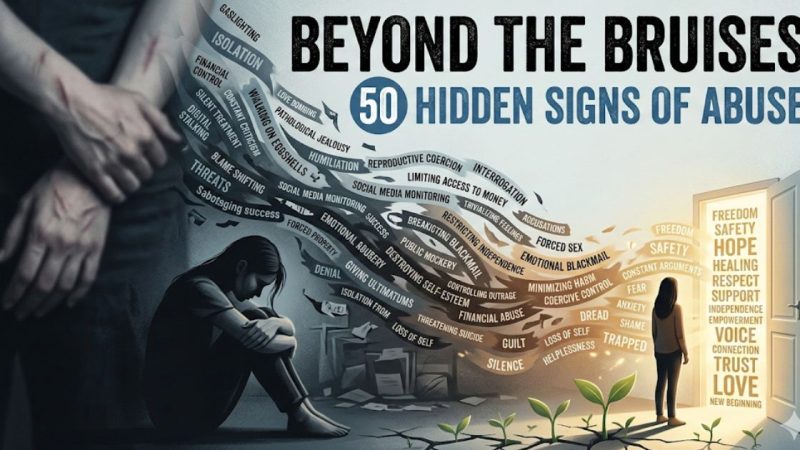
In this guide, we will walk through 51 specific relationship red flags. These are not just “annoyances”; they are patterns of behavior that can lead to long-term emotional, psychological, or physical harm.
The Early Warning Signs: Control and Intensity
Abuse rarely starts with a loud argument. It usually starts with an intense focus on you that feels flattering at first but soon turns into a cage.
- The Whirlwind Romance: They push for a deep commitment (like moving in or marriage) within the first few weeks. It feels “meant to be,” but it’s actually a tactic to trap you before you see their true colors.
- Love Bombing: They overwhelm you with constant praise, expensive gifts, and declarations of love that feel disproportionate to how long you’ve known each other.
- The “Soulmate” Trap: They claim you are the only person who has ever truly understood them and that all their ex-partners were “crazy” or “evil.”
- Constant Communication: They text or call you all day long. If you don’t respond immediately, they get anxious or angry, claiming they were just “worried.”
- Subtle Isolation: they start making small, negative comments about your best friends or family members, planting seeds of doubt about the people who care for you.
- Disdain for Your Hobbies: They act bored or annoyed when you spend time on things you love, making you feel guilty for having interests outside of them.
- Financial Prying: They want to know exactly how much you earn and how you spend your money very early in the relationship.
- Digital Intimacy Demands: They ask for your phone passcode or social media logins as a “sign of trust.”
- Monitoring Your Location: They encourage you to share your live location at all times, disguised as a safety measure.
- The “Us Against the World” Mentality: They try to convince you that no one else truly supports your relationship, creating a sense of “us versus them.”
Read: Love Bombing Explained
Psychological Warfare: The Battle for Your Sanity
Psychological abuse is designed to make you doubt your own perception of reality. This is how an abuser ensures you won’t leave—by making you feel like you can’t trust your own mind.
- Gaslighting: You confront them about something they did, and they flatly deny it happened. They might say, “You’re imagining things” or “You’re getting confused again.”
- The Silent Treatment: Instead of discussing a problem, they shut down and refuse to speak to you for hours or days to punish you.
- Moving the Goalposts: No matter how much you try to please them, the “rules” of the relationship keep changing. What was okay yesterday is a reason for a fight today.
- Projection: They accuse you of the very things they are doing. For example, they might accuse you of flirting because they are the ones flirting with others.
- Public Humiliation: They make “jokes” about your insecurities in front of friends or family, then call you “too sensitive” when you get upset.
- Trivializing Your Achievements: When you get a promotion or a win, they find a way to make it seem small or focus the conversation back on themselves.
- Weaponizing Your Vulnerabilities: They take the secrets you told them in confidence and use them to hurt you during arguments.
- The “Crazy” Label: They tell you that you are mentally unstable, often suggesting you “need help” whenever you try to hold them accountable.
- Withholding Affection: They stop being physically or emotionally intimate with you as a way to “discipline” you for something you did “wrong.”
- Double Standards: They can go out with their friends whenever they want, but you have to ask for permission or face a cross-examination when you do the same.
The Erosion of Independence: Financial and Social Control
An abuser is most successful when you have no resources or support system. They will work hard to make you dependent on them.
- Sabotaging Your Work: They might “accidentally” delete an important file or pick a fight right before you have a major deadline.
- Limiting Your Transport: They might make it difficult for you to use your car or insist on “driving you everywhere” so they can control when you come and go.
- Financial Monitoring: They demand to see your bank statements or receipts for every small purchase.
- Discouraging Education: They might tell you that going back to school or taking a course is a “waste of time” or that it will take away from “your time together.”
- The “Drip Feed” of Information: They keep you in the dark about household finances or big decisions, making you feel like you aren’t capable of understanding them.
- Creating Dependency: They encourage you to quit your job or give up your apartment long before it’s practical to do so.
- Interfering with Family: They create drama during family gatherings so that you eventually stop inviting your family over or going to see them.
- Controlling Your Appearance: They tell you how to wear your hair, what makeup to use, or what clothes are “appropriate” for you.
- Social Media Policing: They get angry about who you follow, whose photos you like, or who comments on your posts.
- Demanding Constant Gratitude: They remind you of everything they “do for you” to make you feel like you owe them your total obedience.
Volatility and the Fear Factor
If you find yourself monitoring your partner’s mood the second they walk through the door, you are likely living in a state of fear.
- Unpredictable Mood Swings: They go from incredibly sweet to terrifyingly angry in a matter of seconds.
- Punching Walls or Objects: This is physical violence directed at things, but it is a clear warning of what they are capable of doing to you.
- Breaking Your Belongings: They target items that have sentimental value to you during a fight.
- Reckless Driving: They drive dangerously while you are in the car to intimidate you or keep you from leaving a conversation.
- Threatening to Self-Harm: They tell you they will kill themselves if you leave. This is the ultimate form of emotional blackmail.
- Intimidating Posture: They stand in the doorway so you can’t leave or get very close to your face while shouting.
- Cruelty to Animals: If they are mean to pets or use a pet’s safety as a bargaining chip, this is a massive red flag for future violence.
- “Joking” About Violence: They make “jokes” about how they could hurt you and get away with it.
- Disappearing for Days: They go “M.I.A.” just to make you worry, then act like nothing happened when they return.
- Forced Isolation During Fights: They take your phone or car keys during an argument so you can’t call for help or leave.
Don’t miss reading: How to Know if You Are in an Abusive Relationship
Sexual and Reproductive Boundaries
Abuse often extends into the most private parts of a relationship. Respect for consent is non-negotiable.
- Sexual Coercion: They don’t take “no” for an answer and keep pestering or guilt-tripping you until you give in.
- Ignoring Boundaries: They continue to do things during intimacy that you have explicitly said you don’t like.
- Sleep Deprivation: They purposefully keep you awake with long, circular arguments so you are too tired to think for yourself.
- Reproductive Control: They tamper with birth control or pressure you into a pregnancy to “save the relationship” or “prove your love.”
- Comparing You Sexually: They talk about their exes’ sexual performance to make you feel insecure or “less than.”
- Demanding Perfection in Roles: They expect you to perform “duties” (cooking, cleaning, sex) perfectly and get angry if you are tired or sick.
- Grabbing or Shaking: They might not “hit” you, but they grab your arms hard enough to leave bruises or shake you during a fight.
- Accusatory Jealousy: They accuse you of being unfaithful with almost anyone you interact with, including coworkers or even the delivery person.
- Mocking Your Body: They make negative comments about your physical appearance to lower your self-esteem.
- The Feeling of “Ownership”: They treat you like an object or a prize they won, rather than a human being with your own agency.
- Your Gut Instinct: The most important red flag is that persistent feeling in your stomach that something is wrong. If you feel unsafe, you are unsafe.
Why Recognizing Red Flags is Hard
It is important to remember that abusers are often very charming. They aren’t “bad” 100% of the time. If they were, no one would ever stay. They use a tactic called intermittent reinforcement. This means they give you just enough love and “good times” to make you hope that things will get better. You stay because you are waiting for the “good version” of them to return.
However, in a healthy relationship, the “bad times” are about external stressors (like work or health), and you tackle them as a team. In a toxic relationship, the “bad times” are created by the partner to keep you off-balance.
What to Do If You See These Signs
If you recognize these signs, the first thing to know is that it is not your fault. You cannot love someone into being a better person, and you cannot “fix” an abuser by being more perfect.
- Start a “Reality Journal”: Write down things that happen as they happen. This helps combat gaslighting when they try to tell you it didn’t happen.
- Reconnect with Your Support System: Reach out to that friend or family member they tried to distance you from. They are likely waiting for you to call.
- Build a Safety Plan: If you feel the situation is escalating, have a small bag packed with essentials and keep your important documents in a safe place.
- Seek Professional Help: Talk to a therapist who understands domestic dynamics or call a local helpline. They can help you navigate the process of leaving safely.
Final Thoughts
You deserve a relationship that feels like a partnership, not a project. You deserve to feel safe in your own home and your own skin. Recognizing these 51 red flags is the first step toward reclaiming your power and your life. Don’t ignore the warning signs they are your intuition’s way of trying to save you.
Continue Reading : Red Flags In Relationships You Must Not Ignore