
Why Does Iceland Have a Killer Cat? 7 Bizarre Christmas Traditions That Make Zero Sense
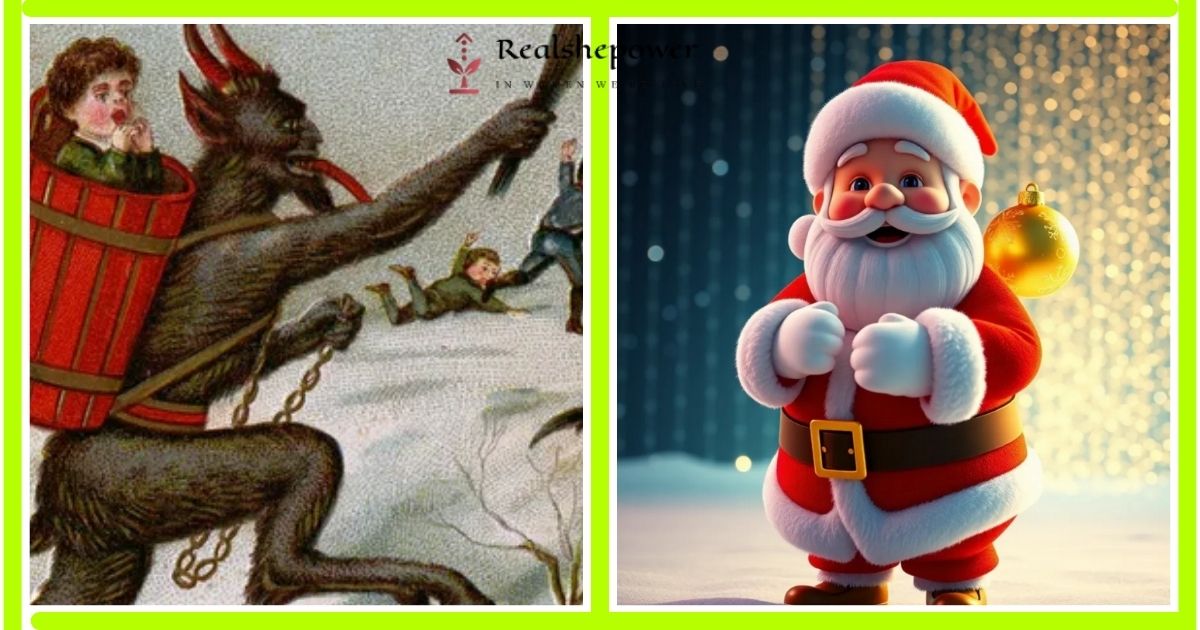
Bizarre Christmas Traditions!
Ever tucked into a plate of roast turkey, sung carols, or unwrapped a meticulously chosen gift and thought, “This is just… normal?” Well, buckle up, buttercup, because what’s “normal” in one corner of the globe is “utterly bonkers” in another. Forget everything you thought you knew about a wholesome Christmas. We’re about to embark on a global sleigh ride through traditions so weird, so wonderful, and sometimes, so downright terrifying, you’ll be left asking, “Wait, what just happened?”
In 2025, with our hyper-connected world bringing cultures closer than ever, the holiday season is no longer just about Santa Claus and mistletoe. It’s a riotous, global tapestry of roller skates, hidden brooms, giant cats, and even… defecating logs. Yes, you read that right.
So, if your family’s biggest Christmas eccentricity is your Uncle Barry wearing a reindeer onesie, prepare to feel incredibly, wonderfully mundane. Let’s unwrap some of the world’s most delightfully strange festive customs!
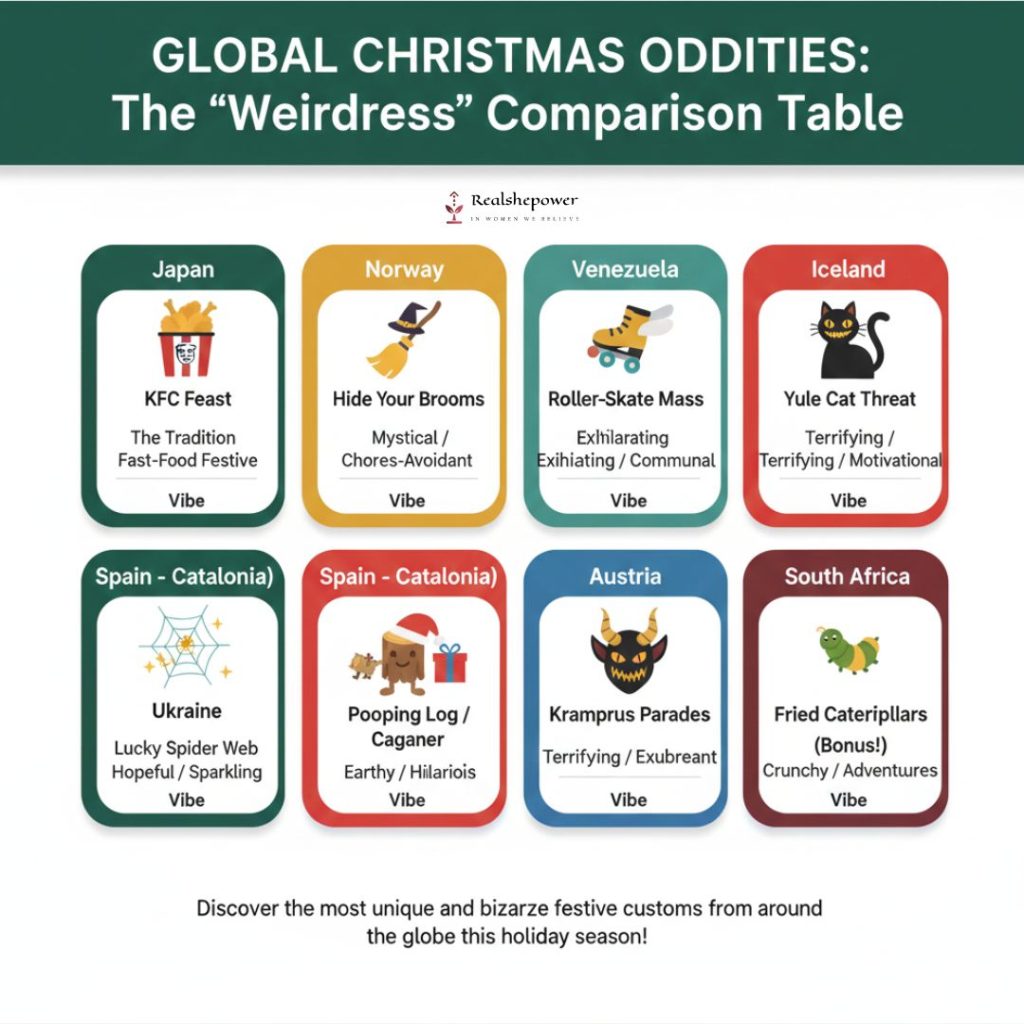
1. Japan: The “Colonel” is Coming to Town (And He’s Bringing Fried Chicken!)
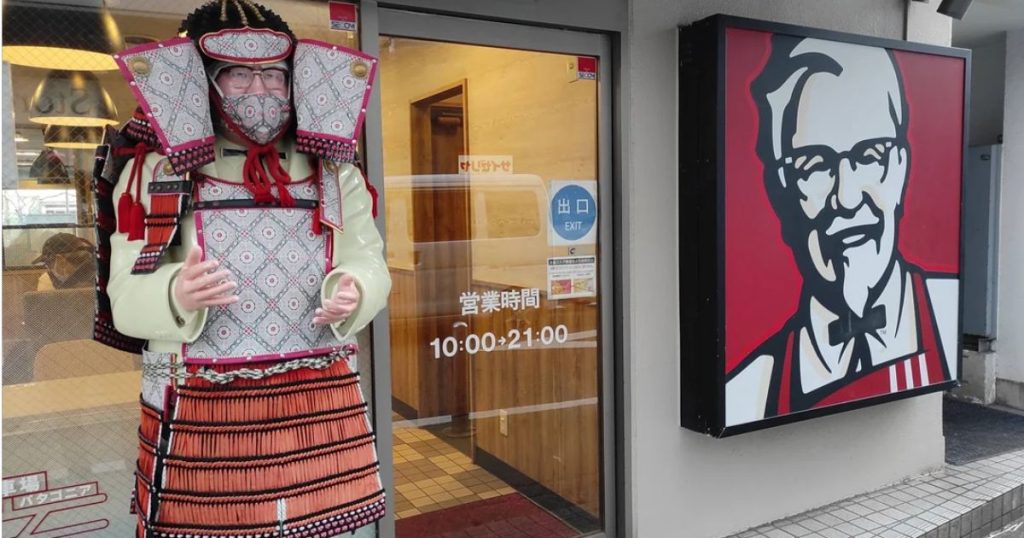
Imagine this: It’s Christmas Eve. The aroma of spices fills the air. Families gather, eyes wide with anticipation. And then, a bucket of KFC fried chicken is placed proudly at the center of the table. Sound like an episode of “Bizarre Foods”? Welcome to Christmas in Japan!
The Wonder: How did a fast-food chain become a national holiday tradition in a country where Christmas isn’t even a national holiday?
Back in the 1970s, KFC launched an unbelievably successful marketing campaign with the slogan “Kurisumasu ni wa Kentakkii!“ (Kentucky for Christmas!). It cleverly tapped into the lack of traditional Christmas meals in Japan, offering a ready-made, festive (and decidedly Western) feast. The rest, as they say, is history… or rather, herstory, of Colonel Sanders.
The 2025 Reality Check: This isn’t just a casual takeaway. Demand is so astronomically high that people book their KFC buckets up to two months in advance. We’re talking meticulously planned, pre-ordered fried chicken. If you didn’t place your order by October, you’re out of luck, friend! It’s a testament to the power of marketing and the universal appeal of crispy, golden poultry.
2. Norway: Hide Your Brooms! (Seriously, The Witches Are Coming)
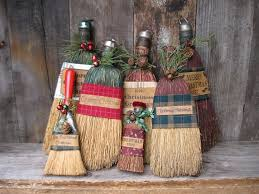
Picture this: It’s Christmas Eve. The house is decorated, the gifts are wrapped. And then, someone scurries around, frantically hiding all the cleaning supplies. Why? Because in Norway, Christmas Eve isn’t just for Santa; it’s also for evil spirits and mischievous witches who fancy a midnight joyride on your broomstick!
The Question: Is this an ancient pagan tradition, a brilliant excuse to avoid chores, or both?
This peculiar custom dates back centuries, rooted in old Norse folklore where the veil between worlds was thin during the darkest days of winter. Witches and malevolent spirits were believed to emerge, looking for flying vessels to wreak havoc. So, hiding brooms became a protective measure.
The 2025 Reality Check: While few genuinely fear a broom-snatching sorceress today, many modern Norwegians still perform this ritual with a wink and a smile. It’s a delightful, quirky nod to their heritage—and let’s be honest, it’s the perfect excuse to leave the post-dinner cleanup until Boxing Day. Who wants to sweep when there are potential broom thieves lurking?
3. Venezuela: The Great Roller-Skate Mass (The Fastest Way to a Christmas Blessing!)
Imagine waking up on Christmas morning to the sound of… roller skates? In Caracas, the vibrant capital of Venezuela, the streets aren’t just quiet for early morning mass; they’re bustling with people gliding their way to church!
The Wonder: How did roller skates become the preferred mode of transport for a solemn religious occasion?
This utterly unique tradition sees large sections of the city’s streets closed to cars until 8:00 AM on Christmas morning. The reason? So thousands of worshippers can roller-skate to early morning church services, known as “Misa de Gallo” (Rooster’s Mass). Kids even tie a string to their big toe and dangle it out the window the night before, so roller-skaters can give it a tug to wake them up!
The 2025 Reality Check: It’s less of a quiet pilgrimage and more of a massive, joyous street party. The air is thick with festive music, the aroma of traditional Venezuelan Christmas dishes, and the joyful clatter of wheels. It’s a vivid, exhilarating blend of faith, community, and pure, unadulterated fun, proving that sometimes, the fastest way to a spiritual awakening is on eight wheels.
4. Iceland: Beware the Terrifying Yule Cat (Or Get Eaten!)
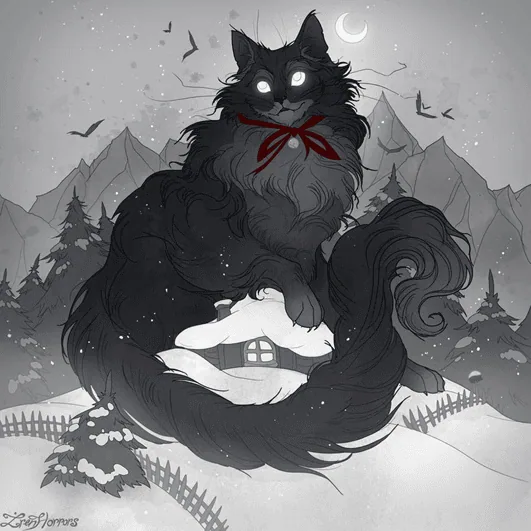
Forget the Grinch, forget Ebenezer Scrooge. Iceland has a truly terrifying Christmas villain: the Jólakötturinn (Yule Cat). This isn’t your fluffy house cat; this is a giant, monstrous feline that roams the snowy countryside during Christmas, with a particular taste for… poorly dressed people.
The Question: Is this an ancient myth or the most effective parental tool ever invented?
The legend of the Jólakötturinn states that this colossal cat devours anyone who hasn’t received new clothes to wear before Christmas Eve. Yes, you read that correctly. No new socks? You’re cat food. This tradition dates back to farmers who used the tale to encourage their workers to finish processing the autumn wool before Christmas. If they did, they got new clothes as a reward. If not… well, the cat was always hungry.
The 2025 Reality Check: While no one is actually being eaten by a giant cat these days, the folklore persists. It’s a fantastic (and somewhat dark) piece of Icelandic cultural heritage, and let’s be honest, it’s the ultimate “Budget King” hack for parents. “Finish your chores, kids! Earn those new clothes! Or… the Jólakötturinn might get you!” It certainly makes opening a new sweater feel incredibly important.
5. Ukraine: The Lucky Spider Web (A Tale of Poverty, Hope, and Sparkle!)
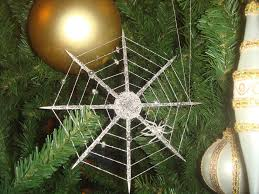
Imagine decorating your Christmas tree, only to deliberately add… spider webs? In Ukraine, finding a spider web on your Christmas tree isn’t a sign of poor housekeeping; it’s a symbol of immense good luck for the coming year!
The Wonder: How did something usually associated with dust and fright become a festive emblem?
This beautiful tradition stems from an old folktale. It tells the story of a poor widow and her children who couldn’t afford decorations for their Christmas tree. On Christmas morning, they awoke to find that a spider, seeing their sadness, had spun intricate, glistening webs all over the tree. When the sun rose, the webs turned into shimmering silver and gold, bringing the family fortune.
The 2025 Reality Check: Today, Ukrainian families adorn their trees with artificial spider webs and spider-shaped ornaments, not for horror, but as a heartfelt wish for prosperity and good fortune. It’s a poignant reminder that beauty and hope can be found in the most unexpected places, transforming a humble symbol into a sparkling promise.
6. Spain (Catalonia): The Log That Poops Presents (Meet the “Caganer” and “Tió de Nadal”!)
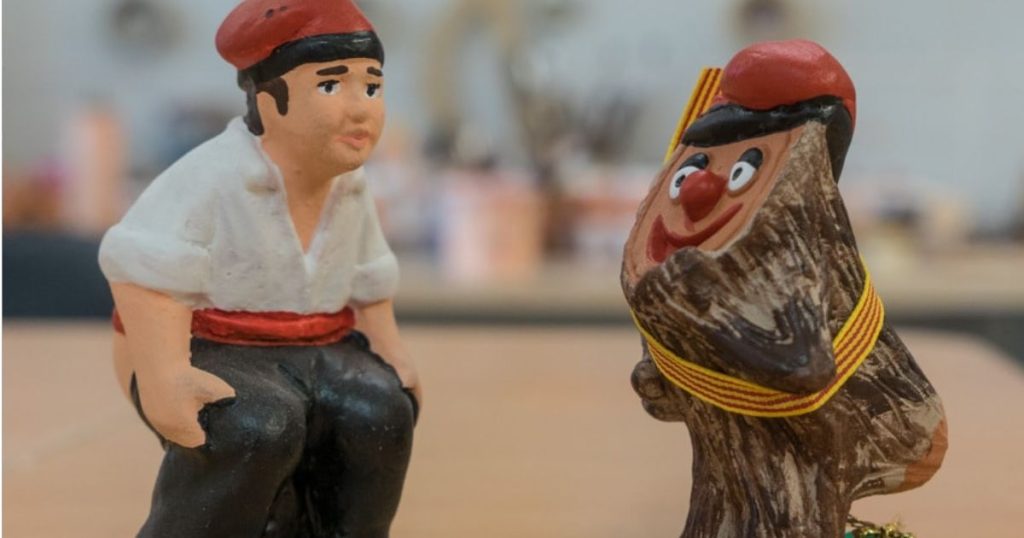
Prepare yourself. This one is truly, wonderfully, outrageously bizarre. In Catalonia, a region of Spain, Christmas involves two peculiar characters, both with a strong connection to… bodily functions.
The Question: Why are defecating figures a celebrated part of Christmas decor?
- The Tió de Nadal (The Pooping Log): This is literally a log with a painted face, often wearing a little red hat. From December 8th, children “feed” the log and keep it warm with a blanket. On Christmas Eve, they beat the log with sticks while singing a song, demanding it “poop” presents (which are hidden under its blanket).
- The Caganer (The “Pooper”): This small figurine of a person (often a celebrity, politician, or traditional farmer) caught mid-squat, trousers around their ankles, is hidden in Nativity scenes. Finding the Caganer is considered good luck.
The 2025 Reality Check: These traditions are not considered crude but are symbols of fertility, good fortune, and the humble, earthy cycle of life. The “pooping” symbolizes generating new things, prosperity, and fertilizing the ground for a good harvest. It’s a surprisingly profound (and undeniably hilarious) take on festive abundance.
7. Austria: Krampus, The Demonic Anti-Santa (Because Santa Needs a Dark Side)
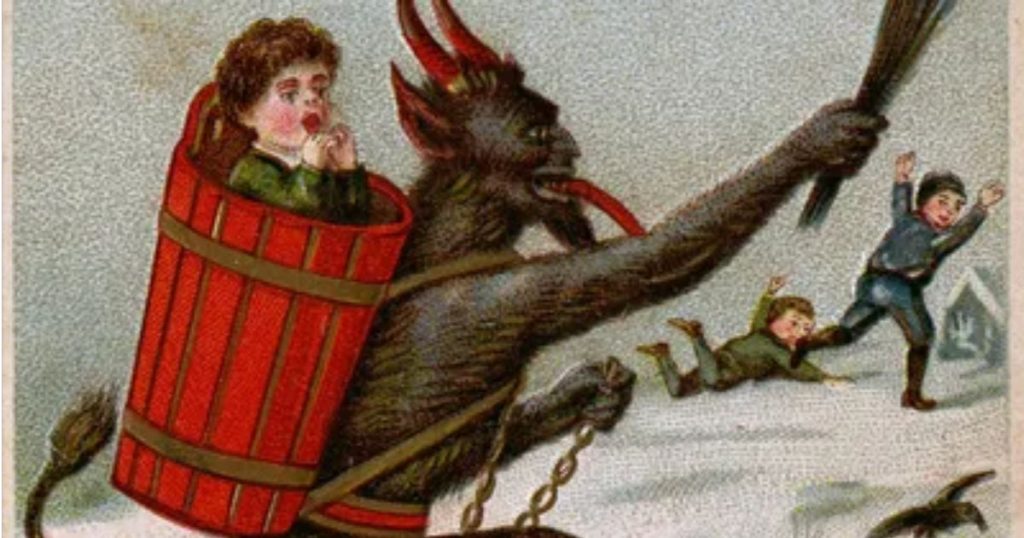
If you thought Santa only brought coal to naughty children, you haven’t met Krampus. In Austria and parts of central Europe, for every benevolent Santa, there’s a terrifying, horned, cloven-hoofed demon ready to punish the truly bad.
The Question: Who thought a demon-goat-man with chains and whips was a good idea for a children’s holiday?
Krampus is the sinister companion to St. Nicholas. While St. Nick rewards good children, Krampus punishes the naughty ones, often with switches, chains, and even by dragging them to the underworld. His terrifying appearance, complete with long tongue and fangs, is straight out of a horror movie. On Krampusnacht (Krampus Night, December 5th), men dressed as Krampus parade through the streets, chasing people with switches.
The 2025 Reality Check: While the parades (Krampuslauf) are now more of a boisterous, adult-oriented festival, the underlying tradition serves as a stark reminder of the darker side of folklore, emphasizing discipline and the consequences of misbehavior. It’s a spine-chilling, exhilarating counterpoint to Santa’s jolly benevolence.
What Does Your Christmas Say About You?
From the high-speed roller skates of Venezuela to the ominous Yule Cat of Iceland, these traditions remind us that Christmas is a kaleidoscope of human culture, belief, and pure, unadulterated imagination. It’s a time for reflection, joy, and sometimes, a healthy dose of bizarre folklore.
So, next time you’re unwrapping a present, ask yourself: Is your Christmas “normal,” or is there a hidden broom, a demanding log, or a terrifying demon-goat just around the corner? The holiday season, it seems, is far stranger and more wonderful than we often realize.