The “Iconic Indian” Christmas Dish: Kerala Style Chicken Stew & Appam
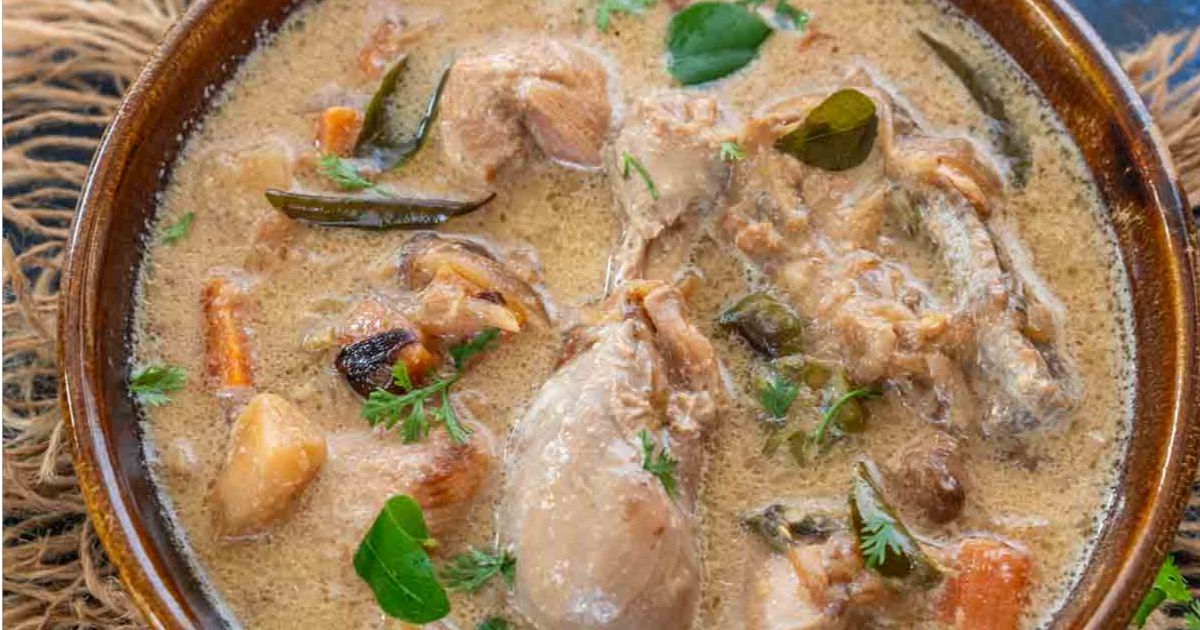
While the West has its turkey and the UK has its sprouts, the ultimate Indian Christmas soul-food—the one dish that truly captures the country’s unique spice-meets-serenity heritage—is the Kerala Style Chicken Stew (Ishtu) with Appam.
This isn’t just a meal; it’s a centuries-old tradition of the Syrian Christian community. It represents the perfect marriage of local Malabar spices and the colonial influence of using dairy (coconut milk) to create a velvety, sophisticated sauce.
Table of Contents
Why You Must Create This (The “Ishtu” Magic)
- The Texture: Unlike fiery Indian curries, this is pale, creamy, and gentle.
- The Aroma: It smells of whole peppercorns, fresh ginger, and the earthy sweetness of coconut oil.
- The Vessel: The Appam—a fermented rice and coconut milk pancake with a lacey, crispy edge and a soft, pillowy center—is designed specifically to soak up the golden-hued gravy.
The Master Recipe: Kerala Chicken Stew
Ingredients (Serves 4)
- Chicken: 500g (bone-in pieces for better flavor).
- Potatoes: 2 medium, cubed (they thicken the stew naturally).
- Aromatics: 2 thinly sliced onions, 4 green chillies (slit), 1-inch ginger (julienned), 10-12 curry leaves.
- Whole Spices: 2 cardamom pods, 1-inch cinnamon stick, 4 cloves, 1 tsp whole black peppercorns.
- The Star: 2 cups Coconut Milk (1 cup ‘thin’ or second extract, 1 cup ‘thick’ or first extract).
- The Finish: 2 tsp Coconut Oil and a handful of fried cashews/raisins (optional).
Step-by-Step Instructions
- The Sauté: Heat coconut oil in a heavy-bottomed pot. Throw in the whole spices and curry leaves. Once they crackle, add the onions, ginger, and green chillies. Sauté until the onions are translucent (do not brown them—the stew must remain white/pale gold).
- The Simmer: Add the chicken and potatoes. Pour in the thin coconut milk (second extract). Add salt. Cover and simmer on low heat until the chicken is tender and potatoes are soft.
- The Thickening: Mash a few potato cubes against the side of the pot to thicken the gravy slightly.
- The Finale: Turn the heat to its lowest setting and pour in the thick coconut milk. Stir gently. Do not let it boil after adding thick milk, or it will curdle.
- The Garnish: Top with fresh curry leaves and a drizzle of raw coconut oil for that authentic Malabar scent.
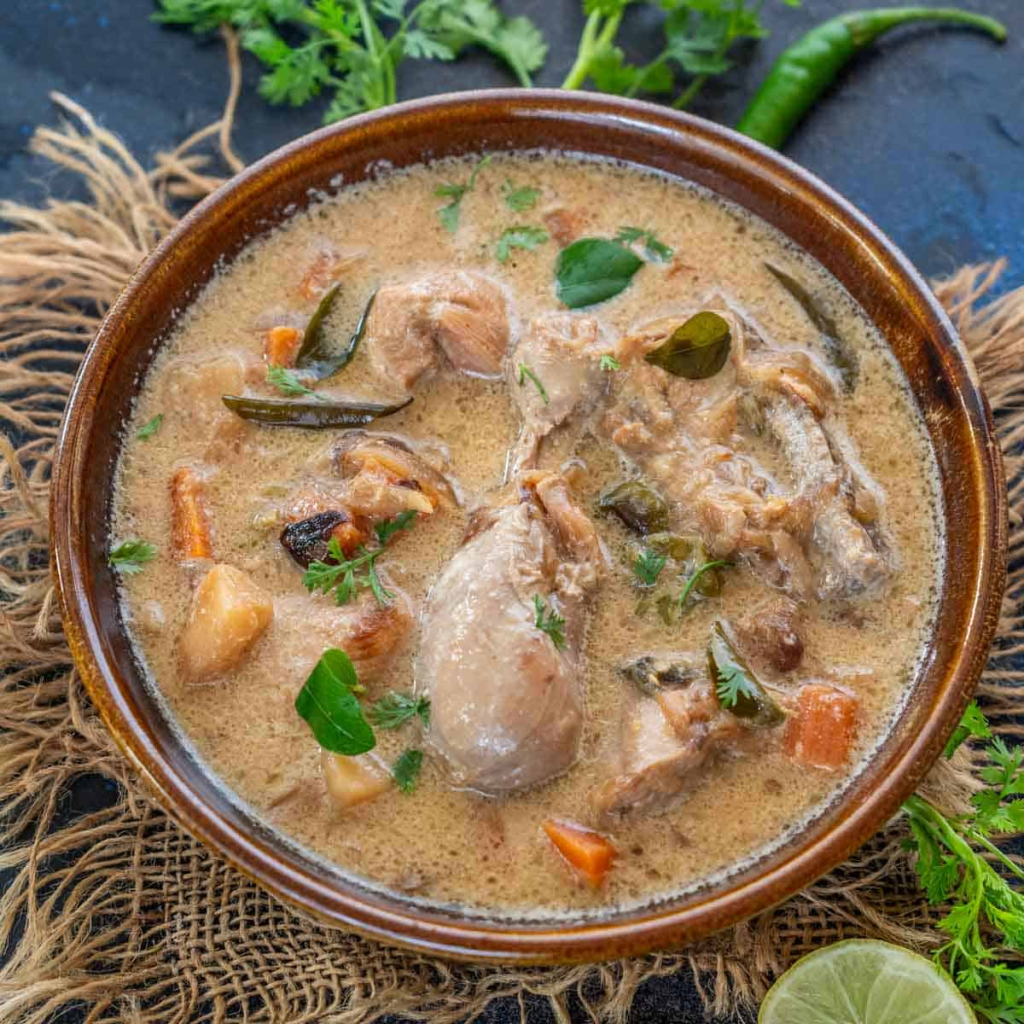
3 Golden Rules for the Perfect “Ishtu”
- Use Coconut Oil: Using refined oil is a crime in this recipe. The raw, nutty aroma of coconut oil is what makes it “Christmas.”
- Color Control: Keep the heat low. If your onions turn brown, your stew will turn brown. It should look like a bowl of creamy white silk.
- Fresh Pepper: Use whole black peppercorns crushed at the last second. It provides a “back-of-the-throat” warmth that powdered pepper simply can’t match.
Must Read

Delhi’s Hidden Christmas Gems — The Secret Cafes
Discover the coziest secret cafes in Delhi where Christmas magic lies hidden — festive ambience, best bites, and cozy winter vibes.
→ Read Full ArticleWhere to find the “Appam”?
If you aren’t ready to ferment your own rice batter for 8 hours, most Indian cities now have local “Appam/Dosa” centers that sell fresh batter. Just swirl it in a small non-stick Kadhai, cover it for 2 minutes, and you have your lacy pancake!
The Sweet Finale: Traditional Indian “Kuswar” Sweets
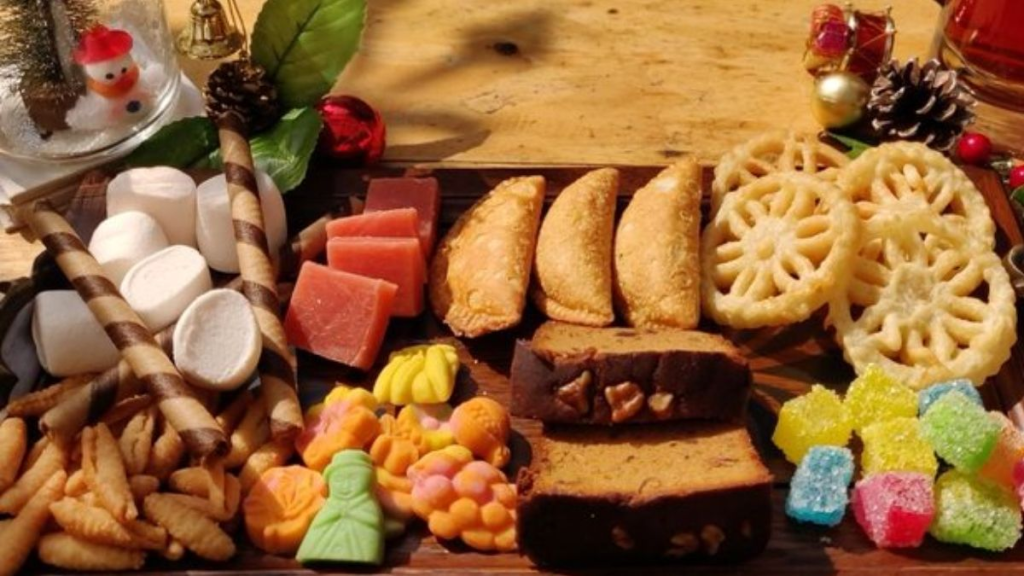
A traditional Indian Christmas platter, especially in Goa, Mangalore, and Mumbai, is incomplete without Kuswar. These are often homemade treats shared with neighbors and friends during the festive week.
- Bebinca (The Queen of Goan Sweets): A rich, multi-layered coconut milk pudding. Each of its 7 to 16 layers is baked individually with ghee and jaggery, creating a buttery, caramel-like masterpiece.
- Kulkuls (Kidyo): These are tiny, shell-shaped dough curls that are deep-fried and glazed with sugar. They are the most playful part of the platter, traditionally shaped using a fork or a new comb.
- Neureos (The Festive Dumpling): A flaky, crescent-shaped pastry (cousin to the Gujiya) stuffed with a sweet mix of grated coconut, poppy seeds, cardamom, and chopped nuts.
- Rose Cookies (Achappam): These intricate, flower-shaped crispy wafers are a favorite in Kerala. Made using a special iron mold and coconut milk, they provide a delicate, satisfying crunch.
- Perad (Guava Cheese): A chewy, ruby-red fudge made from winter guavas. It’s slightly tangy and intensely sweet, perfectly capturing the essence of the fruit in a jewel-like square.
- Dodol: A dark, sticky, and glossy jelly-like sweet made from palm jaggery, coconut milk, and rice flour. It has a deep smoky flavor that is absolutely addictive.
- Milk Cream: For those who love decadence, this is a smooth, white fudge made from cashews, sugar, and milk. It’s often molded into tiny shapes like flowers or seashells.