
Acne in Indian Women Is an Inflammation Issue, Not a Hygiene Problem

For decades, the narrative surrounding acne in India has been centered on cleanliness. Indian women are often told that their breakouts are the result of “not washing their face properly,” “pollution,” or “dirt.” This hygiene-shame leads to over-cleansing, harsh scrubbing, and the use of drying soaps that only aggravate the skin further.
However, modern dermatology and recent clinical observations suggest a different reality: Acne in Indian women is primarily an inflammatory and hormonal issue, not a hygiene failure.
Must Read

Healing Inflammation the Natural Way for Women
Natural methods to calm inflammation and support women’s wellness.
→ Read Full ArticleTable of Contents
The Myth of the “Dirty Face”
The belief that acne is caused by dirt is not only scientifically inaccurate but also psychologically damaging. While environmental pollutants in Indian cities can clog pores, the root cause of the painful, cystic, or persistent acne seen in many Indian women lies beneath the surface. Over-washing actually destroys the acid mantle (the skin’s protective barrier), leading to “leaky skin” that allows more bacteria in and triggers even more inflammation.
Why Inflammation is the Real Culprit
Inflammation is the body’s immune response to a perceived threat. In Indian women, this internal “fire” is often stoked by several factors unique to our biology and lifestyle:
1. The PCOS-Acne Connection
India is often called the PCOS capital. Polycystic Ovary Syndrome (PCOS) causes a hormonal imbalance—specifically an increase in androgens. These hormones stimulate oil glands to produce thick sebum, which then becomes inflamed. This isn’t “dirt”; it is a metabolic and endocrine response.
Must Read
Understanding PCOS Symptoms and Treatment
Clear, expert-aligned breakdown of PCOS signs and how to manage them.
→ Read Full Article2. Dietary Triggers (The High-Glycemic Index)
The traditional Indian diet, while delicious, is often high in refined carbohydrates (white rice, maida) and sugar. High-GI foods cause a spike in insulin, which directly triggers Insulin-like Growth Factor 1 (IGF-1). This hormone is a major driver of skin inflammation and acne.
3. Chronic Stress & Cortisol
The modern Indian woman often balances demanding careers with traditional family expectations. This “dual-burden” leads to chronic stress. Stress releases cortisol, a pro-inflammatory hormone that tells your sebaceous glands to go into overdrive, resulting in stubborn “stress acne” around the jawline.
4. Post-Inflammatory Hyperpigmentation (PIH)
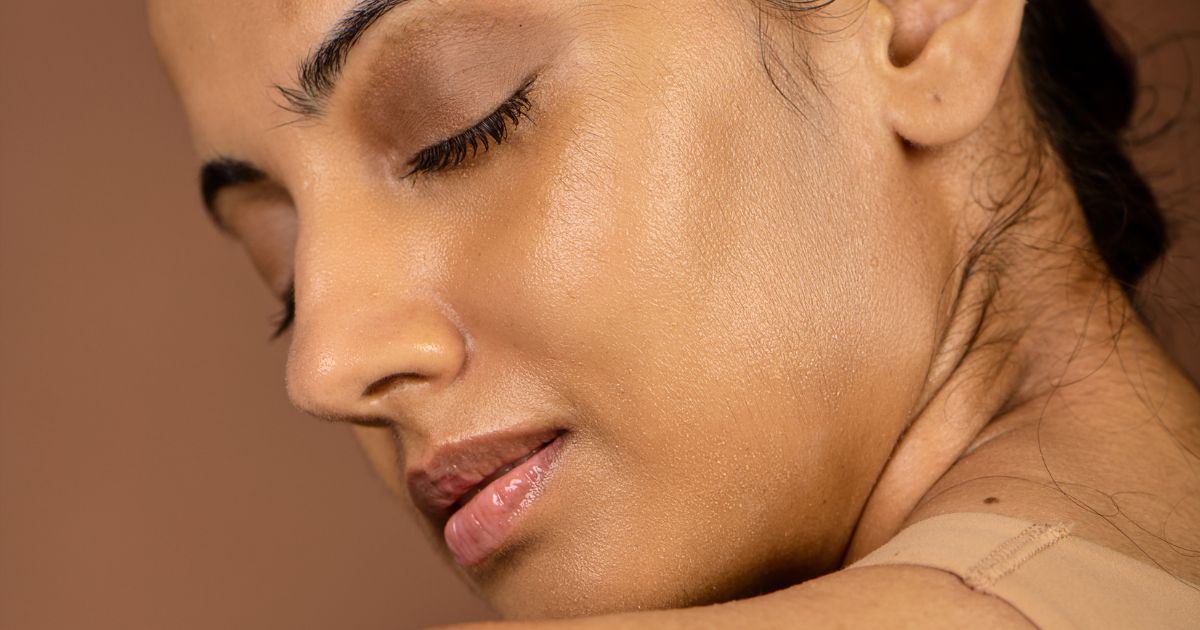
Indian skin (Fitzpatrick types IV to VI) is rich in melanin. Our skin’s inflammatory response is so strong that even a small blemish often leaves a dark brown or black spot (PIH). This proves that the issue is the intensity of the inflammation, not just the presence of a pimple.
Must Read
Why Indian Skin Reacts Differently
Key reasons behind unique sensitivities and reactions in Indian skin.
→ Read Full ArticleShifting the Treatment Approach
If we accept that acne is an inflammatory issue, the treatment must move beyond antibacterial face washes:
- Anti-Inflammatory Skincare: Focus on ingredients like Niacinamide, Azelaic Acid, and Centella Asiatica (Cica) to calm the skin.
- Internal Health: Managing insulin levels through diet and addressing gut health is often more effective than any topical cream.
- Barrier Repair: Instead of “stripping” the oil, Indian women need to “fortify” the skin barrier with ceramides and lightweight moisturizers.
To address acne as an inflammatory issue rather than a hygiene one, we need a two-pronged approach: healing from the inside out with diet and protecting the surface with the right skincare.
Here is a guide specifically designed for Indian skin types and lifestyles.
1. Anti-Inflammatory Indian Meal Plan
The goal is to stabilize insulin levels and reduce systemic inflammation.
| Meal | Recommendation | Why it works |
| Breakfast | Vegetable Poha with peanuts or Besan Chilla (Moong Dal) | Low-GI compared to white bread; rich in protein and fiber. |
| Mid-Morning | Handful of Walnuts and Almonds | Omega-3 fatty acids help reduce skin redness. |
| Lunch | Brown rice/Jowar roti + Seasonal Sabzi + Curd (Dahi) | Probiotics in curd improve gut health, which is linked to skin. |
| Evening Snack | Roasted Makhana or Green Tea | Makhana is low-calorie; Green tea is packed with antioxidants. |
| Dinner | Dal Tadka (limited oil) + Sauteed Paneer/Chicken + Salad | High protein helps in tissue repair without insulin spikes. |
Pro-Tip: Replace refined sugar with small amounts of jaggery (Gur) or stevia, and swap refined sunflower oil with cold-pressed coconut or mustard oil in moderation.
2. Barrier-Repair Skincare Routine
Indian skin is prone to hyperpigmentation, so aggressive “acne-clearing” products can often leave dark spots. This routine focuses on calming the skin.
Morning (AM): Protect & Soothe
- Gentle Cleanser: Use a soap-free, non-foaming cleanser (e.g., Cetaphil or a local brand with Oat extracts).
- Soothing Serum: Apply a serum with Niacinamide (5-10%). It regulates oil and reduces inflammation without drying.
- Lightweight Moisturizer: Look for Ceramides or Hyaluronic Acid. Even oily skin needs moisture to keep the barrier intact.
- Sunscreen (Non-Negotiable): Use a gel-based, non-comedogenic SPF 50. Inflammation + Sun = Permanent dark spots (PIH).
Evening (PM): Repair & Recover
- Double Cleanse: Use Micellar water to remove pollution/sunscreen, followed by your gentle cleanser.
- Targeted Treatment: Use Azelaic Acid (prescribed by a derm) or Salicylic Acid (2% only twice a week). These calm the “fire” in the pore.
- Cica or Aloe Vera: Apply a layer of Centella Asiatica (Cica) cream or pure Aloe Vera gel to reduce heat in the skin.
Conclusion
It is time to stop blaming women for their skin conditions. Acne is a complex medical condition influenced by genetics, hormones, and systemic inflammation. By removing the stigma of “poor hygiene,” we can encourage Indian women to seek the right hormonal and nutritional support they need for truly clear skin.
Must Read

The Ordinary Niacinamide 10% + Zinc 1% Serum
In-depth review of this cult-favorite serum and its skin benefits.
→ Read Full Article