
Intermittent Fasting for Beginners: What Really Works
What Is Intermittent Fasting (IF)?
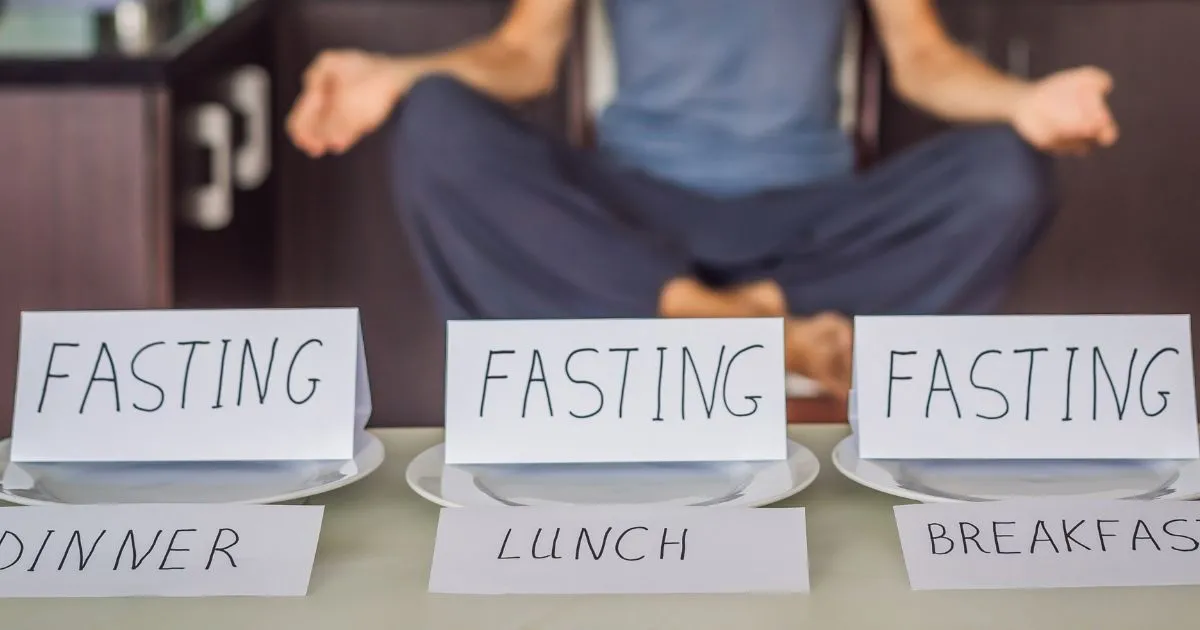
Intermittent fasting (IF) isn’t a diet it’s a timing-based eating pattern. Instead of telling you what to eat, it focuses on when you eat.
In simple terms, you alternate between periods of eating and fasting. During fasting hours, you give your body a break from digestion, allowing it to burn stored fat, regulate insulin, and repair cells.
It’s one of the oldest healing practices, now backed by science and modern lifestyles.
How It Works — The Science Behind It
When you eat, your body releases insulin, which helps store glucose (sugar) for energy. When you fast, insulin levels drop and your body begins burning stored fat for energy instead.
This process triggers:
It’s not starvation it’s a metabolic reset.
The Most Popular Intermittent Fasting Methods
Here are the most common and beginner-friendly fasting schedules:
| Method | Fasting Window | Eating Window | Best For |
|---|---|---|---|
| 12:12 | 12 hours fast | 12 hours eat | Beginners |
| 14:10 | 14 hours fast | 10 hours eat | Mild weight loss |
| 16:8 | 16 hours fast | 8 hours eat | Fat loss, mental focus |
| 18:6 | 18 hours fast | 6 hours eat | Advanced users |
| OMAD (One Meal a Day) | 23 hours fast | 1-hour meal | Experienced fasters |
💡 Tip: Start with the 12:12 method and gradually increase fasting hours as your body adjusts.

What You Can Eat (and Drink) During Fasting
Let’s clear up the confusion fasting doesn’t mean dehydration or torture! You can still consume certain things without breaking your fast.
✅ Safe During Fasting:
- Water (plain, mineral, or lemon-infused)
- Black coffee (no milk/sugar)
- Green tea / Herbal tea
- Apple cider vinegar (1 tsp in water)
- Electrolyte water (unsweetened)
❌ Avoid During Fasting:
- Fruit juices, smoothies, milk
- Artificial sweeteners
- Creamy coffee or protein shakes
- Any calorie-rich drinks
Rule of thumb: If it has calories or sweetness, it breaks your fast.

What to Eat During Your Eating Window
Your results depend on what you eat when you’re not fasting.
Choose real, nutrient-dense foods over processed ones. Here’s a simple meal structure to follow:
✅ Include:
- Lean proteins (eggs, fish, paneer, lentils)
- Healthy fats (avocado, olive oil, nuts, seeds)
- Fiber-rich carbs (vegetables, quinoa, oats)
- Hydration (water, herbal teas, soups)
❌ Avoid:
- Sugary snacks or beverages
- Refined carbs (white bread, pastries, chips)
- Ultra-processed food
Balanced meals prevent overeating and maintain energy between fasting cycles.
The Real Benefits of Intermittent Fasting
Research-backed benefits include:
- Fat Loss Without Muscle Loss
Fasting promotes fat burning while maintaining lean muscle mass. - Improved Insulin Sensitivity
Your body becomes more efficient at processing sugar. - Better Focus & Mental Clarity
Without sugar spikes, the brain runs smoother — many report “clean energy.” - Reduced Inflammation
Fasting triggers autophagy — the natural cleaning up of damaged cells. - Longevity & Cellular Repair
Studies suggest fasting may slow aging and support cellular regeneration. - Improved Relationship with Food
You begin to understand real hunger versus emotional eating.
Common Beginner Mistakes (And How to Avoid Them)
Even the best intentions can go wrong if you’re not mindful. Here’s what to watch out for:
| Mistake | Why It’s a Problem | Fix |
|---|---|---|
| Eating too much in the eating window | Overloads digestion, negates fasting benefits | Eat mindfully, not endlessly |
| Skipping water | Leads to fatigue, headaches | Hydrate every few hours |
| Breaking the fast with junk | Causes sugar crash | Start with light protein or fruit |
| Unrealistic fasting hours | Leads to burnout | Start slow (12:12 → 14:10 → 16:8) |
| Ignoring sleep | Reduces recovery | Aim for 7–8 hours of quality sleep |
Remember, consistency matters more than intensity.
💡 How to Start Intermittent Fasting (Step-by-Step)
Here’s a simple beginner plan:
Day 1–3:
Start with 12:12 fasting (e.g., eat from 8 AM to 8 PM).
Day 4–7:
Shift to 14:10 fasting (e.g., 10 AM to 8 PM).
Week 2 onwards:
Move to 16:8 fasting (e.g., eat from 12 PM to 8 PM).
Optional later:
Experiment with OMAD or 18:6, but only if your body feels ready.
🧘♀️ Listen to Your Body
Fasting isn’t about punishing your body; it’s about tuning into it. If you feel dizzy, anxious, or extremely fatigued, stop and re-evaluate. Everyone’s metabolism, hormones, and stress levels are different.
👉 Women, especially, may need shorter fasting windows (like 14:10) because long fasting can affect hormones if not done carefully.

🕊️ A Realistic Approach That Works
Here’s the truth:
You don’t need to follow every fasting guru on YouTube.
You don’t need to starve or obsess over hours.
You just need discipline and balance.
If you:
- Eat whole foods
- Stay hydrated
- Sleep well
- Stick to your chosen window consistently
…your body will naturally adapt, burn fat, and thrive.
Bonus: “Morning Reset Drink” Recipe for Fasters
Ingredients:
- 1 glass warm water
- 1 tsp apple cider vinegar (optional)
- ½ lemon juice
- A pinch of pink salt
How to Use:
Drink this at 7–8 AM during fasting hours.
It hydrates, detoxifies, and reduces bloating without breaking your fast.
📖 Related Reads
- Can You Eat Seeds and Drink Juice During OMAD?
- Coffee and Fasting: The Truth About Black Coffee Benefits
- The Best Fasting Plan for Women: Hormone-Safe Guide
💬 Final Word
“Fasting isn’t about restriction it’s about rhythm.”
Intermittent fasting works not because it’s magic, but because it helps you create structure, awareness, and metabolic balance. Start small, stay consistent, and let your body thank you for the discipline.