
Why Women Struggle to Lose Weight – And What Can Be Done About It
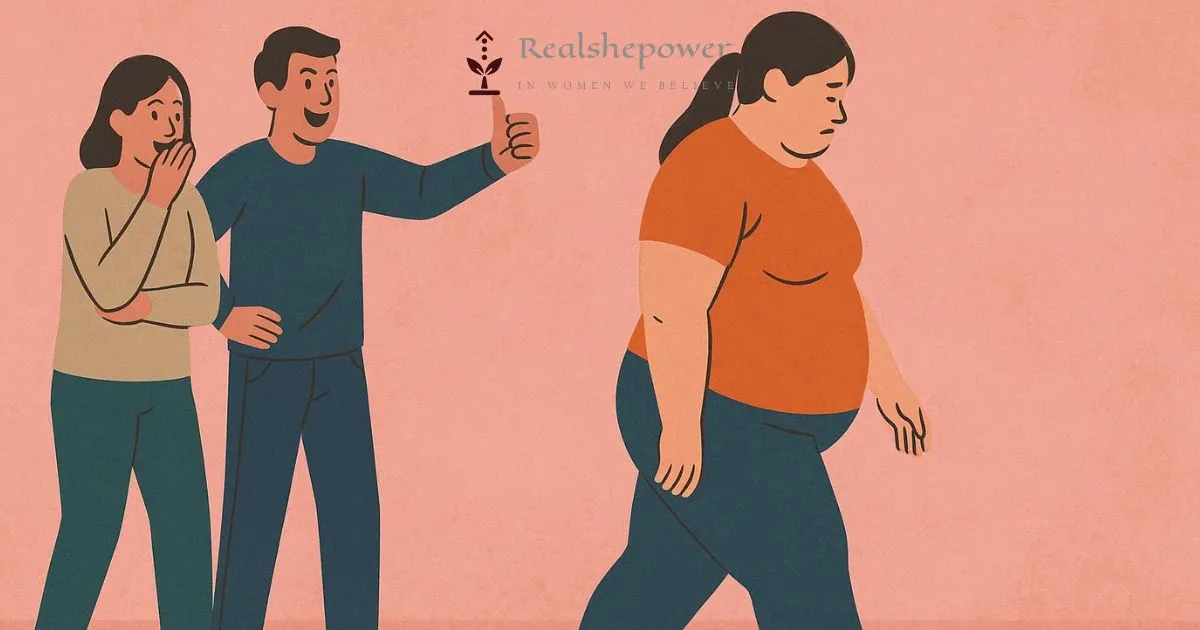
When it comes to weight loss, women often feel like they are fighting a tougher battle than men. The endless diet cycles, intense workouts, calorie counting, and even lifestyle sacrifices sometimes still don’t lead to the desired results. The frustration builds, self-blame creeps in, and many women start believing that something is wrong with them.
But here’s the truth: it’s not a lack of willpower. Women’s bodies are biologically, hormonally, and even socially conditioned to make weight loss more challenging. The good news? Once you understand these factors, you can work with your body instead of against it, and actually make progress that lasts.
1. The Biology of Women’s Bodies
Women’s bodies are designed to hold on to fat more stubbornly than men’s. Why? Reproductive biology.
- Higher body fat percentage: On average, women naturally carry about 6–11% more body fat than men because of estrogen, which helps store fat for fertility and pregnancy.
- Metabolism differences: Men generally have more muscle mass, which burns more calories at rest. Even if a woman and a man eat the same diet and exercise equally, the man will likely lose weight faster.
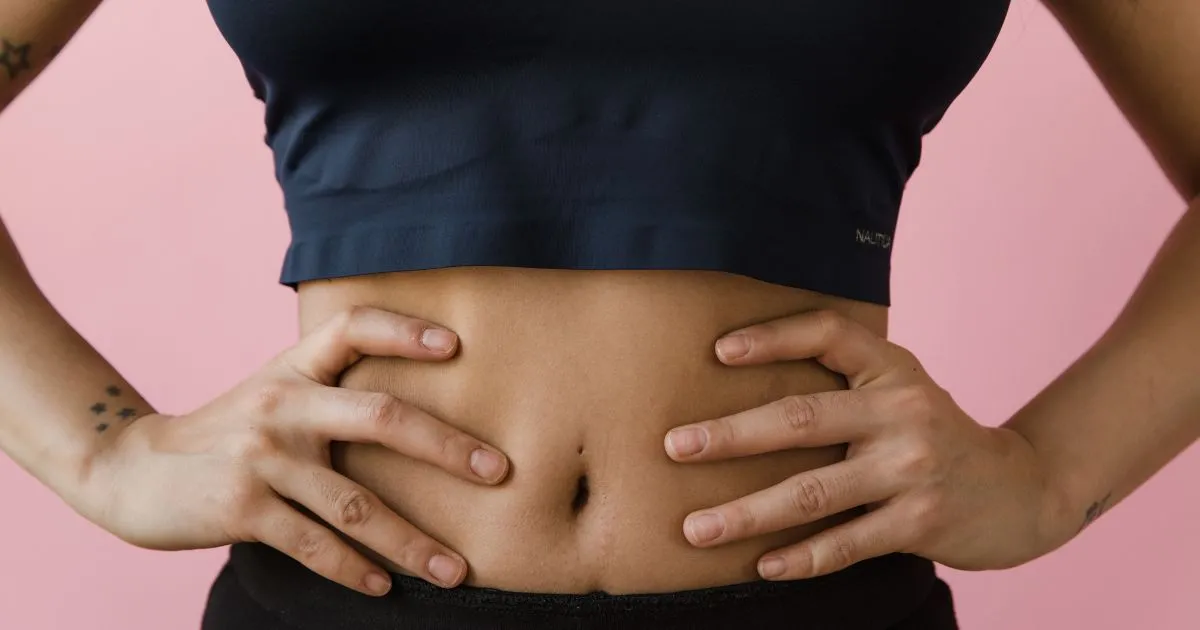
- Fat storage patterns: Women’s bodies are programmed to store fat in the hips, thighs, and buttocks (subcutaneous fat), which is harder to lose compared to men’s belly fat (visceral fat).
2. Hormonal Rollercoaster
Hormones play a huge role in why women struggle with weight management.
- Estrogen and progesterone: These hormones fluctuate throughout the menstrual cycle, affecting appetite, cravings, energy, and water retention. For example, before periods, progesterone levels rise, often increasing hunger and cravings for high-carb, high-sugar foods.
- Insulin sensitivity: Some women experience changes in insulin resistance during their cycle, making fat loss harder.
- PCOS (Polycystic Ovary Syndrome): A common condition that disrupts hormones and causes insulin resistance, making weight loss especially challenging.
- Perimenopause and menopause: Falling estrogen levels cause fat to redistribute around the abdomen, even if diet and exercise remain the same.
3. Lifestyle & Social Pressures
Beyond biology, women face unique external pressures that make weight loss complicated.
- Stress & multitasking: Women often juggle careers, household responsibilities, and caregiving, which elevates cortisol (the stress hormone). High cortisol leads to increased belly fat storage.
- Sleep deprivation: Mothers of young children or busy professionals often get less sleep. Poor sleep disrupts hunger hormones (ghrelin and leptin), causing overeating.
- Diet culture: Women are bombarded with fad diets, unrealistic body image standards, and conflicting advice. Constant dieting can actually slow metabolism and create binge-restrict cycles.
- Under-eating: Many women eat too little, thinking it will speed weight loss. Instead, the body goes into “starvation mode,” slowing metabolism and holding on to fat.
4. Emotional & Psychological Factors
Weight struggles aren’t just physical. Emotional well-being deeply influences eating and lifestyle habits.
- Emotional eating: Food often becomes comfort during stress, sadness, or boredom.
- Body image issues: Societal pressure to look a certain way often creates guilt and shame, making healthy habits harder to sustain.
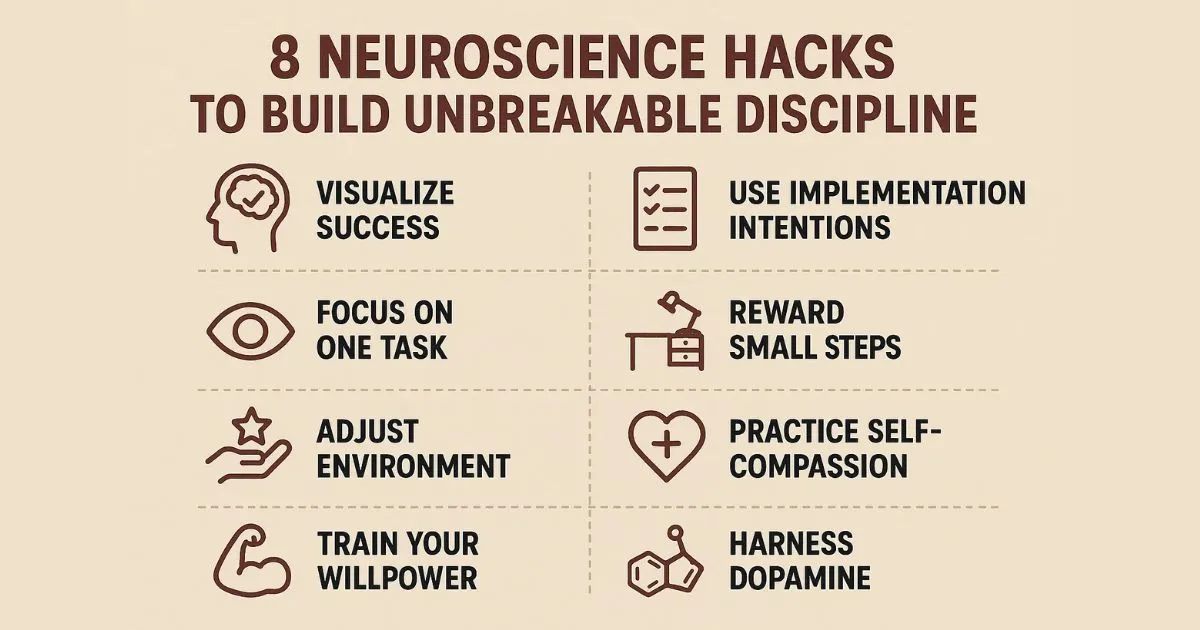
- All-or-nothing mindset: Many women feel if they can’t be “perfect” with diet and exercise, it’s not worth trying at all.
5. What Can Be Done?
The key is not to fight against your biology but to align with it. Here’s how women can overcome these challenges:
a) Focus on Sustainable Nutrition
- Don’t starve yourself. Eat enough protein (lean meats, eggs, legumes), fiber (vegetables, fruits, whole grains), and healthy fats (nuts, seeds, olive oil).
- Balance carbs with protein and fat to avoid blood sugar spikes.
- Practice portion control instead of restrictive dieting.
b) Strength Training is Essential
- Cardio alone won’t cut it. Building muscle boosts metabolism significantly.
- Resistance training 2–3 times a week helps the body burn fat more efficiently.
c) Manage Stress & Sleep
- Prioritize 7–8 hours of quality sleep.
- Practice stress management: yoga, meditation, journaling, or even a daily walk.
- Avoid over-exercising, which can actually spike cortisol.
d) Work With Your Cycle
- During PMS, plan healthier versions of comfort foods (dark chocolate, fruit smoothies, protein-rich snacks).
- Schedule intense workouts during the follicular phase (post-period), when energy is highest.
- Focus on lighter workouts and rest during the luteal phase if fatigue is high.
e) Medical Support if Needed
- Get checked for thyroid issues, PCOS, or insulin resistance.
- Speak to a doctor before starting any drastic diet or supplement.
- Hormone therapy or specific medications may be necessary for some women.
f) Shift the Mindset
- Weight loss is not just about the scale. Focus on how you feel: stronger, more energetic, healthier.
- Celebrate small wins. Losing inches, lifting heavier, or sleeping better are victories.
- Ditch the comparison game—your journey is unique.
Final Thoughts
Women’s weight struggles are not a reflection of laziness, lack of discipline, or weakness. They are the result of complex biology, hormones, and external pressures. The problem is not women, it’s the outdated approach to weight loss that ignores these realities.
When women shift from punishment-driven dieting to body-aligned strategies, eating to fuel, lifting to grow stronger, resting to recover—they not only lose weight but also gain confidence and long-term health.
Weight loss, for women, is not just about shrinking the body. It’s about reclaiming power, balance, and freedom.