The Hidden Dangers Lurking in Local Skin-Lightening Products
An Investigative Report on Ingredients, Regulation Gaps, and Health Risks
The Promise That Masks a Threat
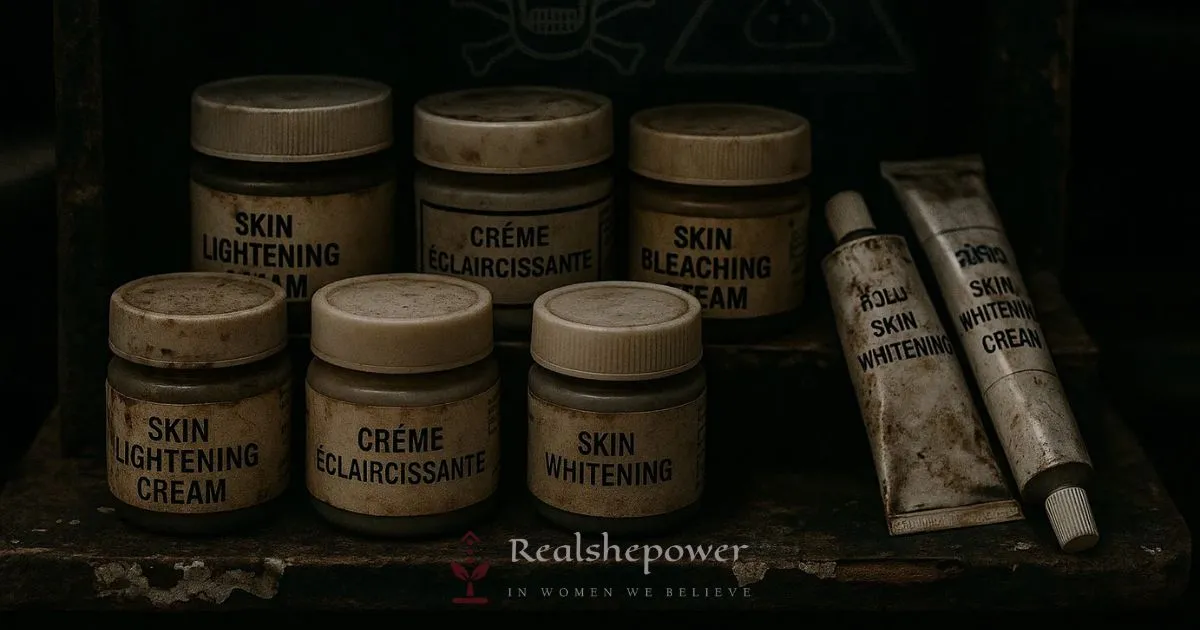
In markets across cities and towns, rows of neatly packaged skin-lightening creams, soaps, and serums promise “radiance,” “fairness,” and “confidence.” Advertisements beam with before-and-after images that suggest lighter skin is not just beautiful but socially superior.
But behind these pastel-colored jars and persuasive slogans lies a darker reality: many of these products are laced with hazardous chemicals, inadequately regulated, and marketed through manipulative cultural narratives.
This investigation dives deep into what is actually inside these products, how they escape meaningful oversight, and the lasting health consequences for those who use them.
1. The Ingredients They Don’t Want You to Notice
While some brands use relatively safe plant extracts or niacinamide, many local and unregulated products contain harmful compounds in dangerous concentrations.
a. Mercury — The Silent Poison
Mercury is one of the most common and dangerous additives in illegal skin-lightening creams. It works by blocking the production of melanin, which controls skin pigmentation. However, mercury is a potent neurotoxin and can cause:
- Kidney damage
- Neurological impairment
- Skin rashes and discoloration
- Fetal developmental issues in pregnant women
In 2019, a study by the World Health Organization (WHO) found that skin-lightening creams in several African and Asian markets contained mercury levels up to 300 times higher than the legal limit.
b. Hydroquinone — The Banned Yet Common Agent
Hydroquinone is a skin-bleaching agent banned in many countries for over-the-counter sales due to risks of:
- Skin irritation and contact dermatitis
- Ochronosis (a permanent bluish-black discoloration of the skin)
- Potential carcinogenic effects with long-term use
Despite bans, our investigation found products labeled as “herbal” containing undeclared hydroquinone, particularly in informal markets.
c. Steroids — Fast Results, Lasting Damage
Topical corticosteroids like clobetasol are sometimes illegally added to creams to produce rapid whitening. Side effects include:
- Skin thinning and fragility
- Increased risk of infections
- Hormonal imbalance when absorbed through the skin
2. The Loopholes That Keep Them On Shelves
Local skin-lightening products often escape regulation because of:
- Mislabeling: Dangerous ingredients are omitted or disguised with vague terms like “skin brightening complex.”
- Informal Distribution Channels: Street vendors and small beauty shops often sell imported creams without proper customs checks.
- Weak Enforcement: Even when regulations exist, testing is sporadic and penalties are minimal.
In one Southeast Asian country, government inspectors admitted they could only test 2% of cosmetic imports due to budget and staffing limits.
3. Health Stories the Industry Ignores
Behind every sale, there are users suffering in silence.
- Case Study 1: In Lagos, a 28-year-old woman developed chronic kidney disease after two years of daily cream use. Her cream, marketed as “100% organic,” contained high levels of mercury.
- Case Study 2: In Manila, a high school teacher experienced severe facial thinning and visible blood vessels after prolonged use of a steroid-laced whitening cream.
- Case Study 3: In Mumbai, a woman reported irreversible dark patches after hydroquinone misuse, a condition that doctors say is almost impossible to reverse.
4. The Cultural Narrative That Fuels Demand
Skin-lightening is not just a cosmetic choice — it is a deeply entrenched social phenomenon. In many cultures, lighter skin is associated with beauty, success, and higher marriage prospects.
Advertising taps into these insecurities, making harmful products seem like necessities rather than options. This cycle of demand fuels an underground market that thrives on lax oversight.
5. What Needs to Change
- Stricter Testing & Bans: Regular lab testing of products before they reach consumers.
- Clear Ingredient Labeling: Mandatory disclosure of all active ingredients with percentage concentrations.
- Public Awareness Campaigns: Education on the dangers of mercury, hydroquinone, and steroid use.
- Tackling Cultural Bias: Media representation and beauty standards must shift away from skin tone as a measure of worth.
The Glow That Comes at a Price
The real cost of skin-lightening products is not measured in currency but in long-term health damage, reinforced colorism, and a culture that equates fairness with value. Until regulation tightens and societal attitudes change, these products will continue to pose a public health threat — wrapped in a glossy label.