Haale Dil Review on YouTube: A Raw Take on Mediocre Acting and Clichéd Infidelity Drama
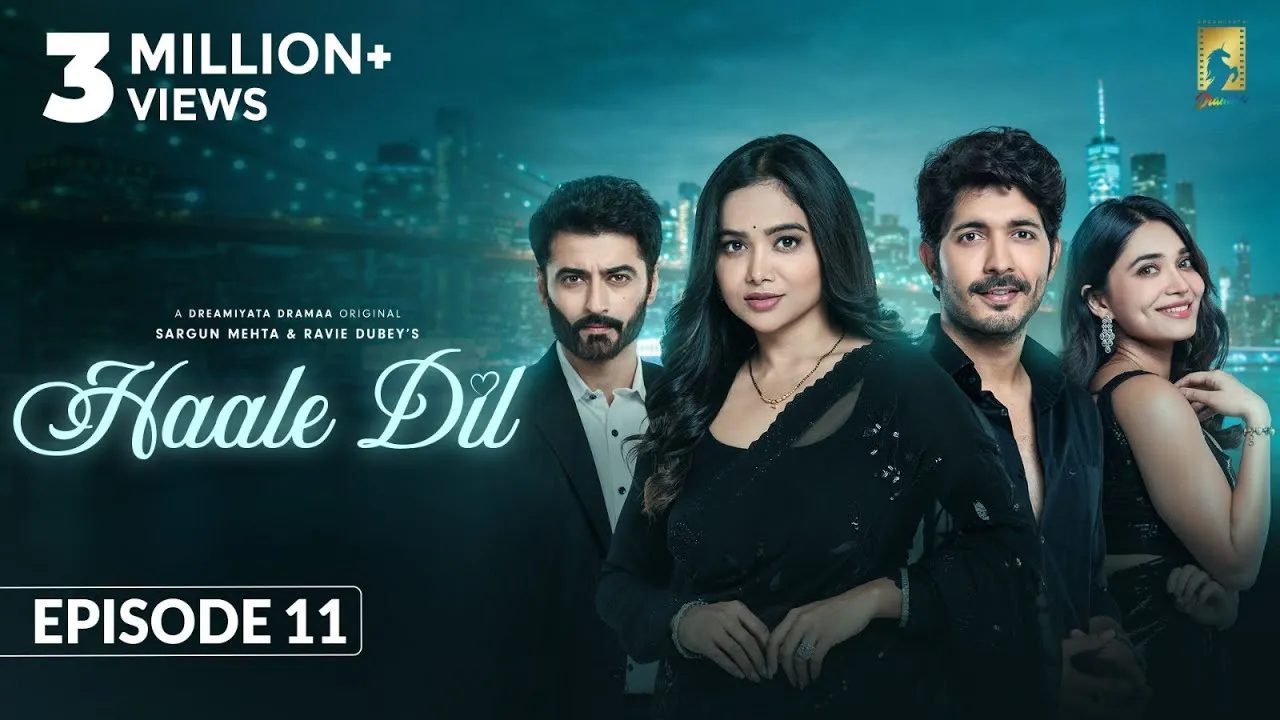
Haale Dil, the 2025 YouTube series from Dreamiyata Dramaa, premiered on June 6, 2025, with much fanfare, largely due to Manisha Rani’s acting debut as Indu. Backed by Ravi Dubey and Sargun Mehta’s production house, the show promised an emotionally charged narrative, but it falls flat, mired in repetitive tropes and uninspired performances. At its core, Haale Dil is a frustrating blend of brazen infidelity, desperate melodrama, and a lead performance that feels more like reality TV than nuanced acting. While the show has garnered significant viewership (boasting 11.6 crore views) its reliance on outdated storytelling and a lack of constructive feedback for its lead highlight a troubling acceptance of mediocrity in Indian entertainment.
The narrative centers on Indu (Manisha Rani), a talkative, Shah Rukh Khan-obsessed wife devoted to her husband, Vivek (Harshad Arora). The plot quickly pivots to Vivek’s extramarital affair with Dolly (Jenifer Emmanuel), who is married to Kushal (Nishank Verma), a middle-class journalist. This infidelity-driven storyline, a tired staple in Dreamiyata’s repertoire, feels like a lazy rehash of their earlier works, such as Dil Ko Rafu Kar Lei. The show’s attempt to evoke emotional depth through K-drama-inspired aesthetics is undermined by its predictable love triangle and lack of character development. Netizens have echoed this sentiment, with some calling it “Anupamaa lite” for its focus on a cheated spouse navigating emotional turmoil. The obsession with infidelity as a plot device feels not just repetitive but regressive, squandering the potential for a fresh, empowering narrative.
Indu’s desperation to win back her unfaithful husband is particularly irksome. Her character is portrayed as a one-dimensional, heartbroken wife whose relentless devotion to Vivek, despite his betrayal, lacks nuance or growth. This portrayal reinforces outdated notions of female sacrifice, leaving viewers frustrated rather than empathetic. The script fails to explore Indu’s inner conflict or grant her agency beyond her clingy, emotional outbursts. This narrative choice is a missed opportunity to craft a women-centric story that could have elevated the show above the clichés of Indian television.
Recommended Read
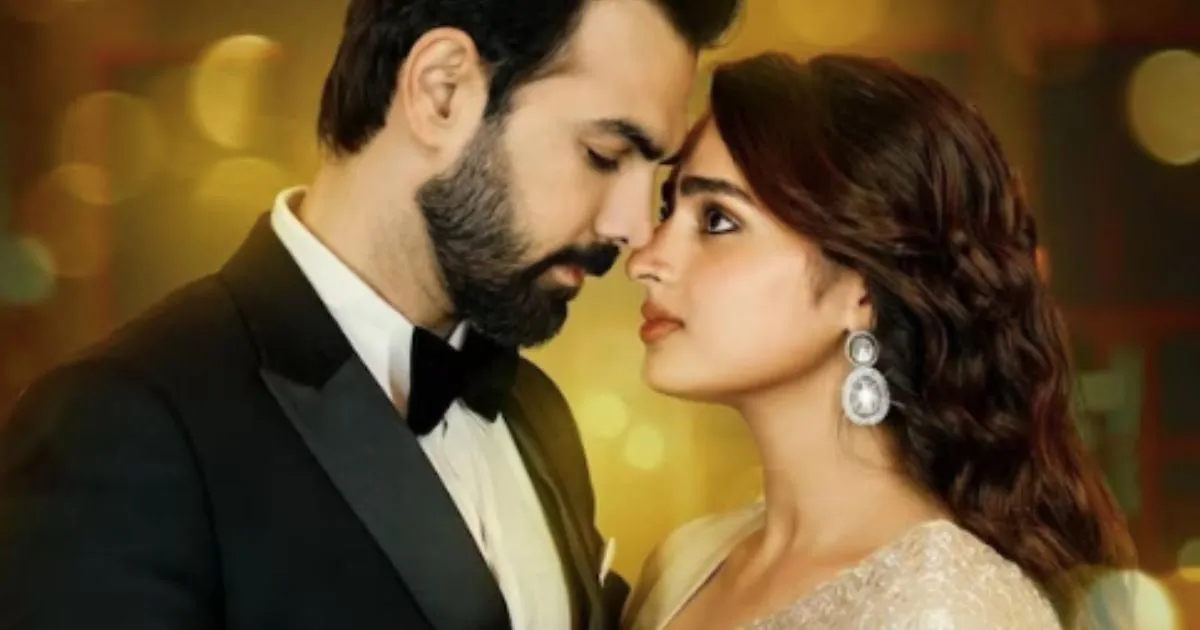
Manisha Rani’s performance as Indu is a significant point of contention. Known for her infectious energy on Bigg Boss OTT 2 and Jhalak Dikhhla Jaa, Manisha brings the same larger-than-life persona to Haale Dil, but it doesn’t translate into acting prowess. Her dialogue delivery, often described as “cringe” by viewers, lacks the subtlety required for a complex role like Indu. Moments that demand quiet devastation are instead played with exaggerated expressions and a heavy Bihari accent, which, while charming in a reality show context, feels jarring in a dramatic narrative. Producers Ravi Dubey and Sargun Mehta have praised her, stating, “There’s no real difference between Indu and Manisha Rani—Manisha is Indu,” but this is precisely the problem. Manisha is simply playing herself, not embodying a character with depth or layers. Her screen presence is undeniable, and her chirpiness shines through, but the nuanced acting that Harshad Arora and Nishank Verma bring to their roles is noticeably absent in hers.
Recommended Read
What’s particularly appalling is the lack of constructive criticism for Manisha’s performance, likely due to her massive fanbase. Fans have lauded her debut, with some calling her performance “raw” and “real,” but this overlooks the glaring need for refinement. The fear of backlash from her loyal supporters seems to silence honest feedback, a troubling trend in Indian entertainment where fanbase influence often overshadows talent evaluation. This reluctance to critique stifles growth, not just for Manisha but for the industry as a whole. How can actors improve without acknowledgment of their shortcomings? The celebration of mediocrity in India, where average performances are propped up by fan loyalty rather than skill, is disheartening. Real talent, capable of delivering layered performances, is often sidelined in favor of social media stardom.
The other cast members, particularly Nishank Verma as Kushal, offers some redemption. Verma’s understated portrayal of a journalist grappling with betrayal adds a touch of authenticity, though the script limits his potential. Harshad Arora, a seasoned actor, is wasted in a poorly written role as Vivek, while Jenifer Emmanuel’s Dolly is reduced to a one-dimensional plot device. The production values like stirring background music and compelling visuals show promise, but they can’t salvage a narrative that feels like a rehash of overused tropes.
Haale Dil is a letdown, not because it lacks potential, but because it leans into lazy storytelling and fails to challenge its lead to rise above her reality TV roots. Manisha Rani has the charisma to captivate, but her acting needs refinement to justify the mammoth love she receives from fans. The show’s fixation on infidelity and Indu’s desperate pursuit of her unfaithful husband are frustrating, reflecting a broader acceptance of mediocrity in Indian entertainment. One can only hope Manisha takes this debut as a learning curve, honing her craft to earn the admiration of neutral viewers through skill, not just fanbase loyalty. Until then, Haale Dil remains a stark reminder that popularity often trumps talent in today’s industry.