Dupahiya: A Sweet, Silly Ride That Doesn’t Quite Hit the Gas
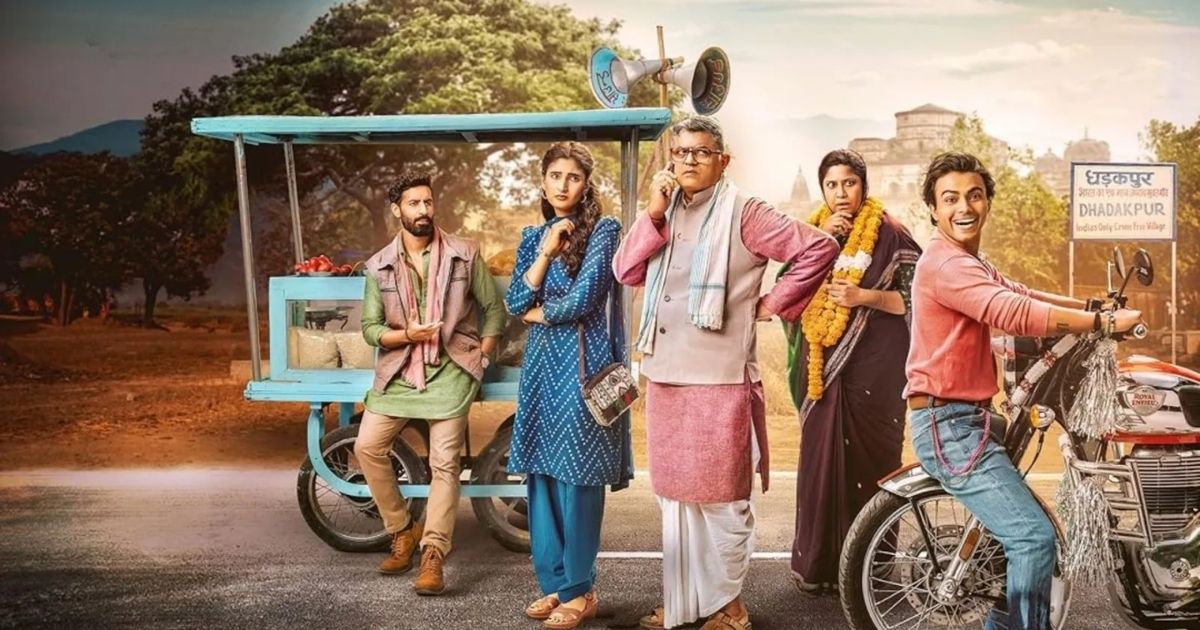
I finally sat down to watch Dupahiya on Prime Video this past weekend, and I’ve got feelings—some warm, some meh. This nine-episode comedy, set in the fictional Bihari village of Dhadakpur, hooked me with its promise: a crime-free hamlet for 25 years, thrown into chaos when a shiny new motorbike—a wedding dowry gift—gets stolen. It’s got a killer cast (Gajraj Rao, Renuka Shahane, Sparsh Shrivastava, Bhuvan Arora), a lighthearted vibe, and that rural charm we’ve come to love from shows like Panchayat. But after binging it, I’m left wondering—did it deliver the joyride I hoped for, or just sputter along? Here’s my honest take.
Table of Contents
The Good: Heart and Hilarity
First off, the setup’s a riot. Dhadakpur’s this quirky little bubble—proudly dubbed the “Belgium of Bihar”—where folks are more worried about a borewell prize than, say, actual crime. Then, bam, the Jha family’s prized dupahiya (two-wheeler) vanishes days before Roshni’s (Shivani Raghuvanshi) wedding. Her dad, Banwari (Gajraj Rao), is a flustered mess, her brother Bhugol (Sparsh Shrivastava) is a reel-obsessed dreamer, and the village’s wannabe sarpanch Pushpalata (Renuka Shahane) is scrambling to keep the “crime-free” streak alive. It’s absurd, it’s fun, and it had me chuckling right out the gate.
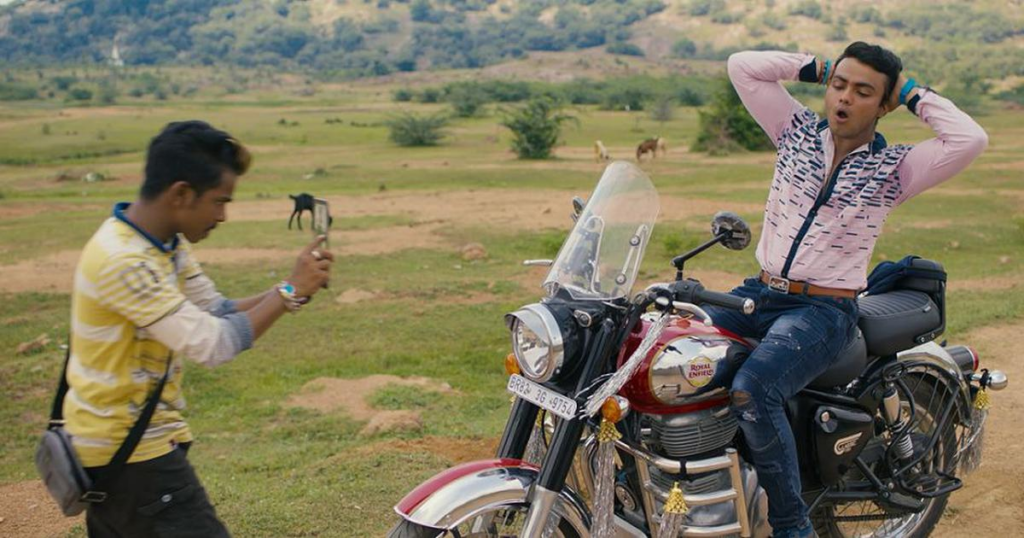
The cast is the heartbeat here. Gajraj Rao’s Banwari is pure gold—every worried glance and muttered line feels like my own uncle fretting over a family crisis. Renuka Shahane’s Pushpalata has this bossy warmth that’s hard not to love; she’s the glue holding the village’s chaos together. Sparsh Shrivastava as Bhugol? Man, he’s a standout—bouncing between goofy ambition and quiet insecurity, especially when he’s plotting to replace that bike. Bhuvan Arora’s Amavas, the ex-lover with a shady streak, brings this easy charm that makes you forgive his quirks. And the smaller roles—like Yashpal Sharma’s cop or Samarth Mahor’s Teepu—add spice without stealing the show.
The humor’s a big win too. There’s this scene where Bhugol stages a fake robbery for a reel, only for the real thief to swipe the bike mid-shoot—I laughed so hard my tea went cold. It’s got that old-school Doordarshan comedy vibe, simple but clever, with a dash of Hrishikesh Mukherjee magic. Plus, it’s clean—no cussing, no grit—which feels refreshing after all the OTT bloodbaths lately.
The Not-So-Good: Where’s the Punch?
But here’s where I started fidgeting. The plot’s thin—like, really thin. A stolen bike drives nine episodes? I get it, small stakes can be big in a village, but it drags. Around episode four, I was checking my phone, waiting for something—anything—to shake things up. The subplots (dowry woes, a dark-skinned girl’s self-doubt, Bhugol’s city dreams) are sweet, but they don’t dig deep. They’re more like pit stops than part of the ride, and the show never quite knows how to weave them in without stalling.
The Panchayat comparisons are inevitable—same rural glow, same ensemble energy—but Dupahiya doesn’t have that show’s soul. Panchayat made me care about Phulera’s quirks; here, Dhadakpur feels like a backdrop, not a home. The emotional beats—like Banwari’s stress or Roshni’s quiet rebellion—hit soft when they should’ve hit hard. I wanted to feel their panic, their dreams, but it’s all too breezy, too safe. And the ending? Predictable and flat. No twist, no gut punch—just a neat bow that left me shrugging.
The comedy can wobble too. Lines like “Yeh Bihar ka Belgium hai” are cute the first time, but by the fifth, I was over it. Some gags—like Bhugol and Amavas in a drag dance with goons—feel forced, like the writers were chasing laughs instead of letting them land naturally. It’s not cringe, just… meh.
Why It Matters Anyway
Still, I can’t hate it. Dupahiya tries to say stuff—about dowry, colorism, the tug between village life and city hopes—and I respect that. Roshni picking her groom for a Mumbai escape? That’s real. Komal Kushwaha’s Nirmal wrestling with her skin tone? Quietly powerful. It’s not preachy, which I love, but it’s too gentle to leave a mark. In a world where women’s voices are still stifled, I wish it roared a bit more.
And the vibe? It’s cozy. My mom wandered in halfway through and stayed—proof it’s got that family-watch appeal. The Bihari dialect (mostly spot-on, though Renuka’s accent wavers) and rustic visuals—buffalo moos, rooftop naps—nail that heartland feel. It’s not groundbreaking, but it’s a hug on a lazy day.
My Verdict: A Solid Pit Stop, Not a Destination
So, Dupahiya—worth it? Yeah, if you’re in for a light laugh and some familiar faces. Gajraj Rao and Sparsh Shrivastava alone make it a 3 out of 5 for me—maybe 3.5 on a good day. It’s got heart, it’s got giggles, but it’s missing that spark to make it unforgettable. I wanted to love Dhadakpur like I love Phulera, but it’s more a weekend fling than a forever fave. Watch it with chai and low expectations—you’ll smile, you won’t sob, and you might just hum the score after. Just don’t expect it to change your life.
Now, I’m curious—did that bike twist get you too, or am I alone in wanting more? Hit me up with your thoughts; I’m still processing this one.