Shri Ganesh Atharvashirsha: The Most Powerful Mantra for Wisdom and Victory
Shri Ganesh Atharvashirsha: Significance
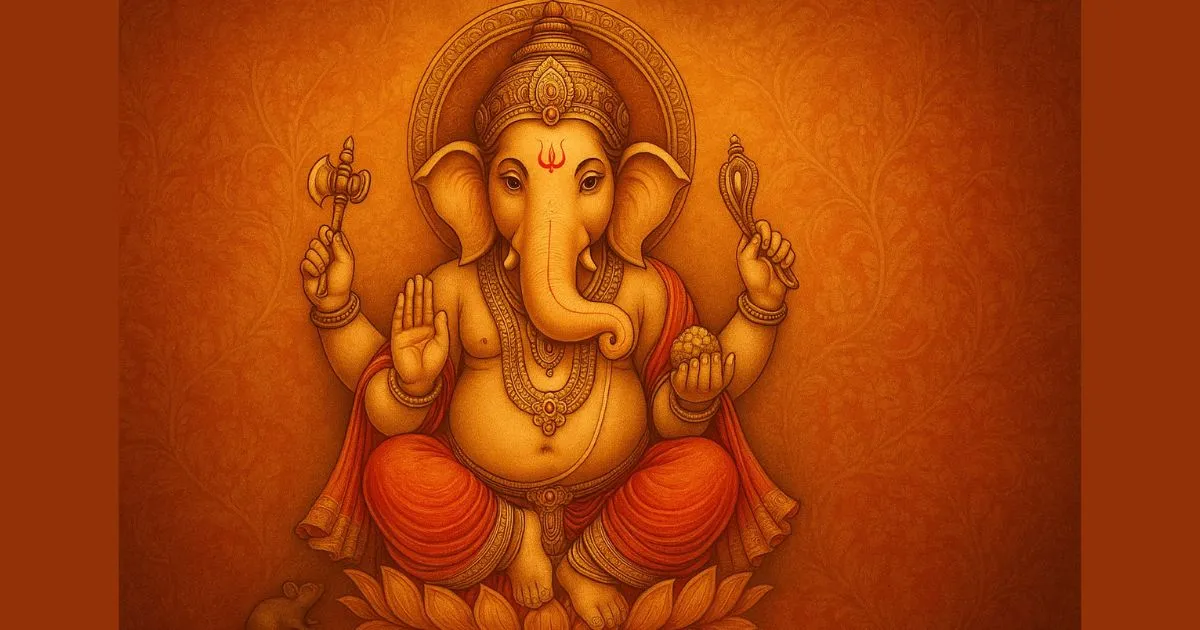
The Ganesh Atharvashirsha is a sacred hymn from the Atharva Veda, often chanted to invoke Lord Ganesha, the remover of obstacles and the deity of beginnings. It is considered a Upanishad in some traditions, emphasizing Ganesha’s role as the embodiment of the ultimate truth (Brahman). The hymn glorifies Ganesha’s divine attributes and is believed to bestow spiritual and material benefits, including:
- Obstacle Removal: Clears hurdles in personal, professional, or spiritual pursuits.
- Wisdom and Success: Enhances intellect and ensures success in endeavors, especially new ventures.
- Spiritual Awakening: Aligns the devotee with divine consciousness, fostering inner peace.
- Protection: Shields against negative energies and adversities.
The hymn is especially popular during Ganesh Chaturthi, Sankashti Chaturthi, or before starting important tasks. It is typically chanted in the morning or evening with devotion, often with offerings like modak, durva grass, or red flowers.
Full Transliteration of Shri Ganesh Atharvashirsha
Below is the complete transliteration of the Ganesh Atharvashirsha in English, designed to approximate the Sanskrit pronunciation for ease of chanting. The hymn consists of an invocation, main verses, and a concluding phala shruti (benefits of recitation).
Invocation (Shanti Mantra)
Om Bhadram Karnebhih Shrunuyama Devah,
Bhadram Pashyemakshabhiryajatrah,
Sthirairangaistushhtuvagmsastanubhih,
Vyashema Devahitam Yadayuh,
Swasti Na Indro Vriddhashravah,
Swasti Nah Pusha Vishwavedah,
Swasti Nastarkshyo Arishtanemih,
Swasti No Brihaspatirdadhatu,
Om Shantih Shantih Shantih.
Main Hymn
Om Namaste Ganapataye,
Tvameva Pratyaksham Tattvamasi,
Tvameva Kevalam Kartasi,
Tvameva Kevalam Dhartasi,
Tvameva Kevalam Hartasi,
Tvameva Sarvam Khalvidam Brahmasi,
Tvam Sakshadatmasi Nityam.
Ritam Vachmi, Satyam Vachmi,
Ava Tvam Mam, Ava Vaktaram,
Ava Shrotaram, Ava Dataram,
Ava Dhataram, Ava Nochanamavashishyam,
Ava Pashchattat, Ava Purastat,
Avottarattat, Ava Dakshinattat,
Ava Chordhvattat, Ava Dharattat,
Sarvato Mam Pahi Pahi Samantat.
Tvam Vangmayastvam Chinmayah,
Tvam Anandamayastvam Brahmamayah,
Tvam Satchidanandadvitiyosi,
Tvam Pratyaksham Brahmasi,
Tvam Jnanamayo Vijnanamayosi.
Sarvam Jagadidam Tvatto Jayati,
Sarvam Jagadidam Tvattastishthati,
Sarvam Jagadidam Tvayi Layameshti,
Sarvam Jagadidam Tvayi Pratyeti,
Tvam Bhumiraponalo Nabho Vayuh,
Tvam Chatvari Vakpadani.
Tvam Guna Trayatitah, Tvam Avastha Trayatitah,
Tvam Deha Trayatitah, Tvam Kala Trayatitah,
Tvam Muladhara Sthitosi Nityam,
Tvam Shakti Trayatmakah,
Tvam Yogino Dhyayanti Nityam,
Tvam Brahma, Tvam Vishnustvam,
Rudrastvam, Indrastvam, Agnistvam,
Vayustvam, Suryastvam, Chandrastvam,
Brahmabhurbhuvah Svah.
Ganadim Purvamuchcharya,
Varnadim Tadanantaram,
Anusvara, Visarga,
Sthanam Samkhyaya Sankhyam,
Paryaya Parashcha, Paryayashcha Parashcha,
Tatha Tattvam Gamakarah,
Purvatantra Sarasvati,
Mantra Murti Sadasivah.
Yo Vai Dhruvam Tatra Vai Ganapati Yogah,
Sa Yogino Jati Smarati, Sa Veda Sarvam,
Sa Sarvavit Samsthito, Sa Sarvagamvi.
Ekadantam Chaturhastam,
Pasham Ankusha Dharinam,
Radham Cha Varadam Hastairbibhranam,
Mushaka Vahanam,
Rakta Varnam Lambodaram,
Shurpakarna Kamadhanam,
Rakta Gandhanuliptangam,
Rakta Pushpai Supujitam,
Bhaktanukampinam Devam,
Jagatkaranam Achyutam.
Aavirbhutam Cha Srishtayadau,
Prakriteh Prabhupadashivam,
Sarvapapi Mahapapam,
Sarvapapi Mahadbhutam,
Sarvapapi Mahaprakasham,
Sarvapapi Mahadbhutam.
Yo Durlabhah Sarvati Sarvatah,
Sa Yogachamro Jati Smarati,
Sa Sarvavit Samsthito, Sa Sarvagamvi.
Phala Shruti (Benefits of Recitation)
Etadatharvashirsham Yo Adhite,
Sah Brahma Bhuyaya Kalpate,
Sah Sarva Vighnair Na Bhadhyati,
Sarvatah Sukhamedhati,
Sarvatah Papanmuchyate,
Pratah Adhiyan Nityam,
Sayam Adhiyan Siddhati,
Dvandvair Mukto Bhavati,
Chaturthyam Nishchitam Bhavati,
Sa Yogino Jati Smarati,
Sa Veda Sarvam, Sa Sarvavit Samsthito,
Sa Sarvagamvi,
Na Cha Vighnam Bhayam Tasya,
Sarvam Sukhamedhati,
Na Cha Papam Tasya,
Na Cha Karma Bandhanam,
Yo Brahmanam Vidhyat,
Sa Brahmavidbhavati,
Yo Gurum Vidhyat,
Sa Guruvidbhavati,
Yo Devam Vidhyat,
Sa Devavidbhavati,
Idam Atharvashirsham,
Na Ashishyaya Dattavyam,
Na Abhaktaya Dattavyam,
Yo Yadi Mokshada Dadyat,
Sa Siddhim Prapnuyat,
Sarvam Sukhamedhati,
Sarvam Papai Pramuchyate.
Concluding Mantra
Om Shri Ganeshaya Namah,
Om Shantih Shantih Shantih.
Chanting Guidelines
- Frequency: Chant the Ganesh Atharvashirsha 3, 11, 21, or 108 times, depending on your time and intention. Daily recitation or chanting on Wednesday, Ganesh Chaturthi, or Sankashti Chaturthi is highly auspicious.
- Setting: Create a sacred space with a Ganesha idol or image. Light a ghee lamp, offer modak, durva grass, or red flowers, and maintain a clean environment.
- Intention: Chant with devotion and focus, visualizing Ganesha’s form to remove obstacles or grant wisdom.
- Pronunciation: For accurate pronunciation, listen to traditional recordings or consult a priest, as the transliteration approximates Sanskrit phonetics. The hymn is chanted in a rhythmic, meditative tone.
- Time: Morning or evening is ideal, preferably after a bath, to ensure purity of body and mind.
- Phala Shruti Benefits: The concluding verses state that regular recitation frees one from obstacles, sins, and worldly bondages, granting wisdom, success, and spiritual liberation.
Additional Notes
- The Ganesh Atharvashirsha is a comprehensive hymn that combines devotion, philosophy, and mysticism, portraying Ganesha as the cosmic principle. Its recitation is believed to align the devotee with universal consciousness.
- Devotees should avoid sharing the hymn with those lacking faith or devotion, as mentioned in the phala shruti, to preserve its sanctity.
- For beginners, start with a few verses and gradually learn the full hymn, focusing on clarity and devotion.
This complete transliteration of the Ganesh Atharvashirsha provides a powerful tool for connecting with Lord Ganesha. May your recitation bring divine blessings, wisdom, and success! If you need further assistance or another hymn’s transliteration, please let me know.