The Power of Women-Led Stories: Redefining Narratives and Inspiring Change
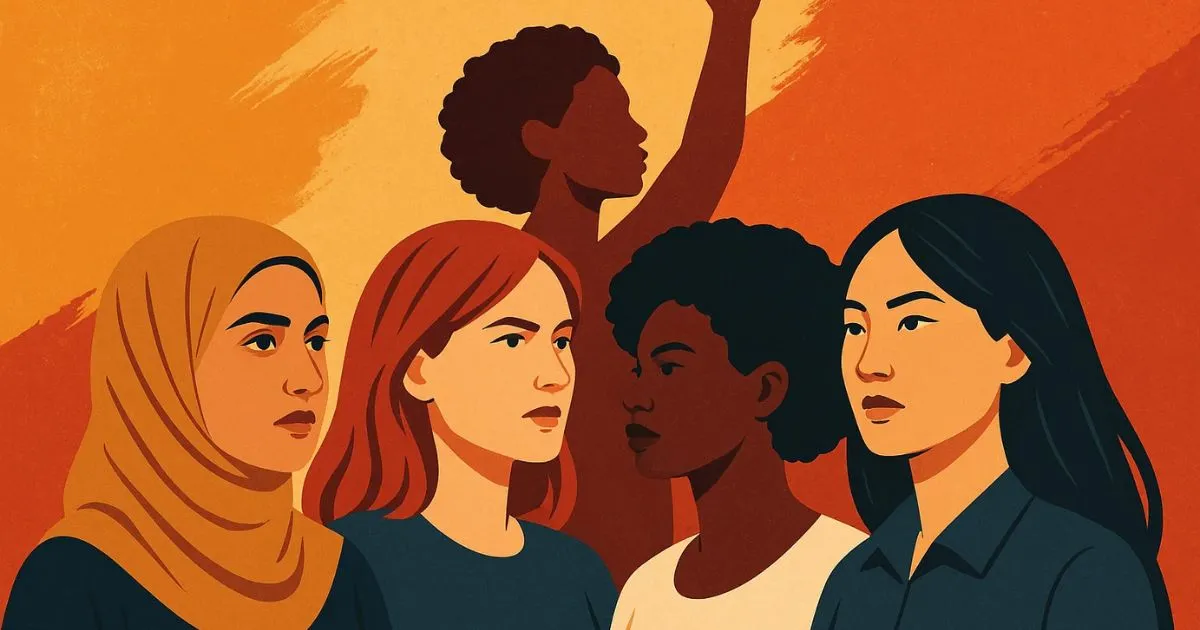
In the tapestry of human storytelling, women-led stories have emerged as a vibrant and transformative thread, weaving narratives that challenge conventions, amplify marginalized voices, and inspire generations. From ancient myths to modern blockbusters, women have always been part of stories, but only recently have their perspectives taken center stage in a way that reshapes how we view strength, vulnerability, and the human experience. This article explores the rise of women-led stories across literature, film, television, and other media, their cultural significance, and why they matter now more than ever.
Table of Contents
The Historical Context: Women in Storytelling
For centuries, storytelling was dominated by male perspectives, with women often relegated to secondary roles—damsels in distress, supportive wives, or tragic muses. In classic literature, from Homer’s Odyssey to Shakespeare’s tragedies, women’s stories were frequently filtered through male lenses, their agency limited by societal norms. Even in fairy tales, heroines like Cinderella or Sleeping Beauty were defined by their relationships to men or their eventual rescue.
However, women have always found ways to tell their own stories, even in constrained spaces. From the poetry of Sappho in ancient Greece to the novels of Jane Austen and the Brontë sisters in the 19th century, women writers carved out narratives that explored female interiority, resilience, and defiance. These early works laid the groundwork for a shift, proving that women’s stories were not only valid but essential to understanding the human condition.
The 20th century saw further strides, with authors like Virginia Woolf, Toni Morrison, and Maya Angelou pushing boundaries by centering women’s experiences—particularly those of women of color, queer women, and women from marginalized communities. Their works challenged the status quo, demanding that women’s voices be heard in their full complexity.
The Modern Era: A Renaissance of Women-Led Stories
The 21st century has ushered in a renaissance of women-led stories across all forms of media. This shift is driven by a confluence of factors: feminist movements, increased representation behind the scenes, and audiences demanding authentic, diverse narratives. Let’s explore how this transformation is unfolding in various domains.
Film: Breaking the Mold
Cinema has long been a male-dominated industry, but women-led stories are reshaping the landscape. Films like Wonder Woman (2017), directed by Patty Jenkins, and Captain Marvel (2019), co-directed by Anna Boden, proved that female superheroes could command the box office while delivering narratives of empowerment. These films didn’t just feature women as protagonists; they explored their inner lives, struggles, and triumphs in ways that resonated universally.
Beyond the superhero genre, films like Greta Gerwig’s Little Women (2019) and Lady Bird (2017) have redefined coming-of-age stories by focusing on the ambitions, flaws, and relationships of young women. Meanwhile, directors like Ava DuVernay (Selma, When They See Us) and Chloé Zhao (Nomadland, Eternals) have brought intersectional perspectives to the forefront, telling stories of women navigating race, class, and identity in a complex world.
The impact of these films goes beyond entertainment. They challenge stereotypes—think of the fierce, unapologetic women in Mad Max: Fury Road (2015) or the quiet strength of Frances McDormand’s Fern in Nomadland (2020)—and inspire audiences to rethink what a “hero” looks like. Data from the Geena Davis Institute on Gender in Media shows that films with female leads are not only commercially viable but often outperform their male-led counterparts, proving that these stories are both culturally and economically significant.
Television: A Golden Age of Female Protagonists
Television has become a fertile ground for women-led stories, with streaming platforms amplifying diverse voices. Shows like The Handmaid’s Tale, based on Margaret Atwood’s novel, and Fleabag, created by Phoebe Waller-Bridge, showcase women navigating dystopian oppression and modern existential crises, respectively. These stories don’t shy away from complexity—characters like June Osborne and Fleabag are flawed, resilient, and deeply human.
Series like Insecure by Issa Rae and I May Destroy You by Michaela Coel have been particularly groundbreaking, centering Black women’s experiences with humor, vulnerability, and unflinching honesty. These shows tackle issues like systemic racism, sexual trauma, and self-discovery while celebrating the richness of their protagonists’ lives. According to a 2023 report from Nielsen, women-led series consistently attract diverse audiences, with streaming platforms noting a surge in viewership for shows featuring women of color.
Literature: Amplifying New Voices
In literature, women-led stories continue to thrive, with authors like Sally Rooney (Normal People), Chimamanda Ngozi Adichie (Americanah), and Ocean Vuong (On Earth We’re Briefly Gorgeous) exploring the nuances of identity, love, and belonging. These works often center women’s interior lives, giving voice to experiences that were once sidelined.
The rise of self-publishing and social media has also democratized storytelling, allowing women from underrepresented backgrounds to share their narratives. Platforms like Wattpad and Substack have given rise to new voices, while BookTok (the book community on TikTok) has amplified women-led stories, with authors like Colleen Hoover and Sarah J. Maas dominating bestseller lists. These platforms highlight the hunger for stories that reflect the diverse realities of women’s lives.
Video Games and Interactive Media: A New Frontier
Even in the traditionally male-dominated world of video games, women-led stories are gaining ground. Games like The Last of Us Part II (2020) feature complex female protagonists like Ellie, whose emotional depth and moral ambiguity challenge conventional gaming tropes. Indie games like What Remains of Edith Finch (2017) and Hellblade: Senua’s Sacrifice (2017) explore women’s experiences with grief, mental health, and resilience, earning critical acclaim for their storytelling.
Why Women-Led Stories Matter
Women-led stories are more than just a trend; they are a cultural necessity. Here are a few reasons why they resonate so deeply:
- Representation and Empowerment: Seeing women as protagonists—whether they’re saving the world, navigating personal struggles, or simply existing in their fullness—empowers audiences, particularly young women and girls. A 2022 study by the Annenberg Inclusion Initiative found that films with female leads increase self-esteem and ambition in female viewers, particularly those from marginalized groups.
- Challenging Stereotypes: Women-led stories dismantle outdated tropes, presenting women as multifaceted individuals rather than archetypes. Characters like Katniss Everdeen (The Hunger Games) or Fleabag defy expectations, showing that women can be heroic, flawed, funny, and fierce all at once.
- Cultural Reflection: These stories reflect the realities of women’s lives, from systemic challenges like workplace discrimination to personal triumphs like self-discovery. They provide a mirror for women to see themselves and a window for others to understand their experiences.
- Economic Impact: The success of women-led stories proves that diversity is profitable. Films like Barbie (2023), directed by Greta Gerwig, grossed over $1.4 billion worldwide, demonstrating that audiences crave narratives that center women.
The Challenges and the Road Ahead
Despite their rise, women-led stories face challenges. Women directors, writers, and producers still make up a small fraction of the industry—only 11% of the top 250 films in 2022 were directed by women, according to the Center for the Study of Women in Television and Film. Funding for women-led projects remains limited, and stories centered on women of color, queer women, or women with disabilities are often underrepresented.Moreover, women-led stories sometimes face backlash from audiences resistant to change, as seen in the online criticism of films like Captain Marvel or Star Wars: The Last Jedi. These reactions underscore the need for continued advocacy and investment in diverse narratives.The road ahead involves amplifying underrepresented voices, increasing funding for women-led projects, and fostering inclusive creative spaces. Initiatives like the Sundance Institute’s Women’s Financing Intensive and organizations like Women in Film are already making strides, but systemic change requires sustained effort.
The Future of Women-Led Stories
The future of women-led stories is bright, fueled by a new generation of creators and audiences who demand authenticity and diversity. Emerging technologies like virtual reality and AI-driven storytelling offer exciting possibilities for immersive, women-centered narratives. Meanwhile, global movements like #MeToo and Time’s Up continue to push for equity in storytelling, ensuring that women’s voices are not just heard but celebrated.As we look forward, women-led stories will continue to redefine what it means to be a hero, a creator, or simply a human being. They remind us that storytelling is not just about reflecting the world—it’s about imagining a better one.
Conclusion
Women-led stories are a testament to the power of narrative to shape culture, challenge norms, and inspire change. From the page to the screen, these stories celebrate the resilience, complexity, and humanity of women, offering a vision of a world where everyone’s story matters. As audiences, creators, and advocates, we have the opportunity to champion these narratives, ensuring that they continue to thrive and transform the world, one story at a time.