The Purdah System and Rajput Resistance: A Legacy of Mughal Brutality and Hindu Resilience

The Purdah system, a practice of veiling and secluding women, emerged in India as a response to the brutal invasions of Muslim rulers, particularly during the Mughal period (1526–1857). In Rajasthan, where Rajputs fiercely resisted Mughal domination, Purdah and Jauhar (mass self-immolation) became entrenched as protective measures against the monstrous treatment of Hindu women, including abduction, forced conversion, and sexual exploitation. This article explores the origins of Purdah, the vibrant depiction of pre-Mughal Indian women in art and architecture, and the harrowing impact of Mughal invasions, with a focus on Rajasthan’s Rajput resistance. By examining historical evidence, including key events like the sieges of Chittorgarh, we uncover how these practices reshaped Indian society.
Origins of the Purdah System in India
The Purdah system, derived from the Persian word for “curtain,” involved veiling women and restricting their public presence, often confining them to zenana (women’s quarters). Historical evidence suggests Purdah was introduced to India by Muslim invaders, with roots in the Delhi Sultanate (1206–1526), and became widespread under Mughal rule (Chandra, 2009). While the practice had Islamic origins, it was adopted by Hindu communities, particularly the Rajputs in Rajasthan, as a defensive mechanism against the brutalities of invasion.
Purdah was not universal across India but was most prominent in regions under Muslim influence, such as Rajasthan, Punjab, and parts of northern India. According to historian Patricia Jeffery, by the 15th century, Purdah had become a hallmark of Rajput feudal etiquette, symbolizing honor and protection among the nobility (Jeffery, 1979). This adoption was driven by the constant threat of Mughal aggression and the need to safeguard women from capture and dishonor (Sahai, 2007).
Pre-Mughal Indian Women: A Modern and Vibrant Legacy
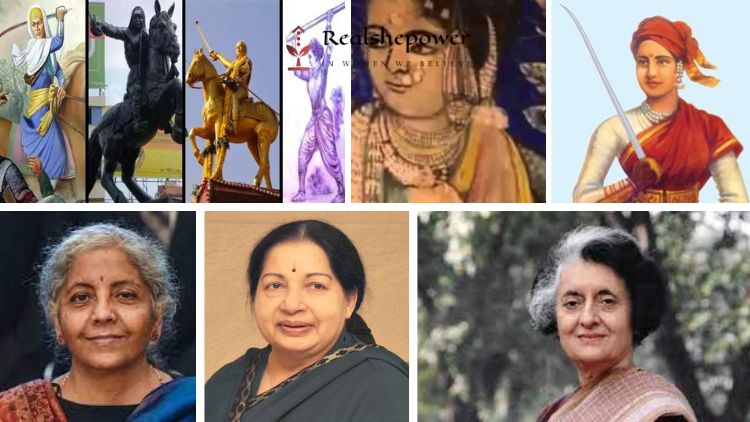
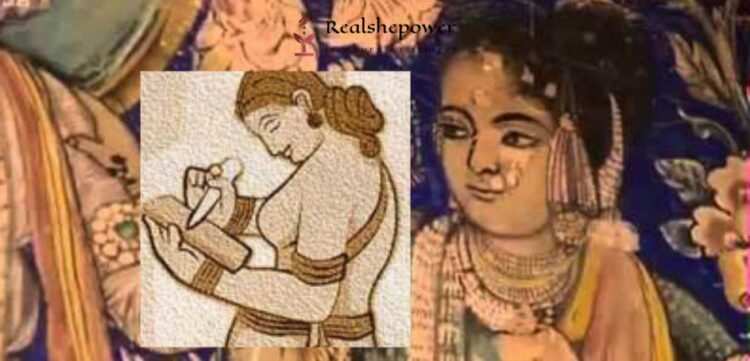
Before the Muslim invasions, Indian women enjoyed a relatively open and active role in society, as evidenced by pre-Mughal art and architecture. The Ajanta Caves (2nd century BCE–650 CE) feature murals depicting women without veils, engaging in education, trade, and royal processions. For example, Cave 17 shows women in vibrant saris, conversing in markets or performing as musicians, reflecting their integration into public life (Sharma et al., 2016). Similarly, Ellora Caves and early Hindu temples portray women as scholars, dancers, and devotees, often in sensuous yet dignified poses, highlighting their social agency Ajanta Caves, Wikipedia.
These depictions contrast sharply with the seclusion enforced by Purdah post-invasion. Pre-Mughal India, with its thriving economy (24% of global GDP in 1700) and advanced educational institutions like Nalanda, fostered a culture where women were visible and valued (Maddison, 2001). This modernity challenges the colonial narrative of Indian backwardness, often used to justify later interventions.
Mughal Brutality and Its Impact on Hindu Women
The Mughal invasions brought unprecedented brutality to Hindu women, marked by abduction, forced conversion, and sexual exploitation. Historical records document a pattern of monstrous behavior, particularly during early Mughal conquests. Babur’s siege of Chanderi in 1528, for instance, prompted Rajput women to commit Jauhar to avoid capture and enslavement (Wikipedia: Jauhar). Similarly, Aurangzeb’s campaigns, such as the 1634 invasion of Bundelkhand, saw women choosing self-immolation over subjugation (My India My Glory, 2018).
The Mughals’ obsession with converting Hindus and exploiting women as concubines or slaves was a driving force behind Rajput defensive practices. Unlike the sanitized portrayals of some Mughal rulers, even Akbar, often credited with tolerance, engaged in forced conversions and maintained harems with Hindu women, reflecting the same predatory tendencies as his predecessors and successors (Eraly, 2007). These atrocities fueled a climate of fear, compelling Rajputs to adopt Purdah to shield women from such horrors.
The following table lists key events where Jauhar occurred, underscoring the scale of Mughal aggression:
| Event | Year | Invader | Location |
|---|---|---|---|
| Siege of Chittorgarh | 1303 | Alauddin Khilji | Chittorgarh |
| Siege of Chittorgarh | 1535 | Bahadur Shah of Gujarat | Chittorgarh |
| Siege of Chittorgarh | 1568 | Akbar | Chittorgarh |
| Siege of Chanderi | 1528 | Babur | Chanderi |
| Invasion of Bundelkhand | 1634 | Aurangzeb | Bundelkhand |
Jauhar and Purdah: Rajput Responses to Mughal Aggression
Jauhar, the mass self-immolation of Rajput women, was a tragic response to imminent defeat and the threat of capture. Historical accounts, such as the siege of Chittorgarh in 1568 under Akbar, describe women choosing death over dishonor, reflecting the extreme measures taken to preserve family and community honor (Wikipedia: Jauhar). Purdah, by contrast, was a daily practice, involving veiling and seclusion in zenanas, particularly among Rajput nobility. By the 15th century, Purdah had become a cultural norm in Rajasthan, symbolizing both protection and status (Sahai, 2007).
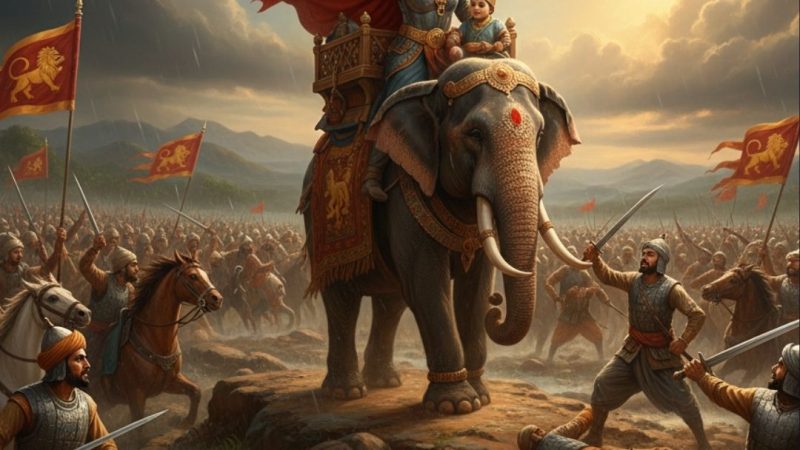
The adoption of Purdah was a direct response to the brutal realities of Mughal invasions. Rajput resistance, marked by fierce battles against Mughal forces, created a constant state of vigilance. Women, seen as bearers of honor, were secluded to prevent their capture, which was often followed by forced conversion or sexual exploitation (Jeffery, 1979). The story of Queen Padmavati, who led a Jauhar in 1303 during Alauddin Khilji’s siege of Chittorgarh, epitomizes this resistance (Swarajya Magazine, 2019).
Key Insights: Mughal Brutality and Rajput Resilience
- Purdah’s Origins: Introduced by Muslim invaders during the Delhi Sultanate and Mughal periods, Purdah was adopted by Rajputs to protect women from brutal invasions (Chandra, 2009).
- Pre-Mughal Modernity: Ajanta Caves murals depict women as active and unveiled, highlighting their social agency before Purdah’s enforcement (Sharma et al., 2016).
- Mughal Atrocities: Mughals, including Akbar, abducted and converted Hindu women, prompting Jauhar and Purdah as desperate measures of resistance (Eraly, 2007).
References: Chandra, S. (2009). History of Medieval India; Sharma et al. (2016). Chitrolekha Journal; Eraly, A. (2007). The Mughal World.
Conclusion
The Purdah system and Jauhar reflect the profound impact of Mughal brutality on Hindu women, particularly in Rajasthan, where Rajput resistance was fiercest. The monstrous behavior of Mughal invaders, including forced conversions and sexual exploitation, drove these practices as desperate measures to protect honor. Pre-Mughal India, with its vibrant depictions of women in art and architecture, reveals a society far more open than the secluded norms that followed. By understanding this history, we gain insight into the complex interplay of gender, culture, and resistance in the face of invasion.
References
- Chandra, S. (2009). History of Medieval India. Orient Blackswan.
- Eraly, A. (2007). The Mughal World: Life in India’s Last Golden Age. Penguin Books.
- Jeffery, P. (1979). Frogs in a Well: Indian Women in Purdah. Zed Books.
- Maddison, A. (2001). The World Economy: A Millennial Perspective. OECD Publishing.
- Sahai, N. (2007). Patronage and Protest in Rajputana. Rawat Publications.
- Sharma, A., et al. (2016). “From Caves to Miniatures: Portrayal of Woman in Early Indian Paintings.” Chitrolekha Journal on Art and Design. Chitrolekha.
- Ajanta Caves – Wikipedia.
- Jauhar – Wikipedia.
- Atrocities on Hindu Women during Islamic Invasion and Rule in India.
- Kafir-Hate Roots of Purdah (Hijab) in India.