The Silent Genocide: Women Dying Every Day in Their Own Homes

The Silent Genocide
Women are dying every day. Not on the battlefield. Not in car accidents. But inside their own homes. The place that should be the safest for them has become the most dangerous.
Domestic violence, relentless work pressure, and constant harassment from in-laws or parents are pushing women to death. The numbers are staggering, yet society remains disturbingly indifferent. This is not an isolated problem. It is a crisis, a silent genocide happening every single day.
The Grim Reality in India
India records one of the highest rates of domestic violence-related deaths in the world. The National Crime Records Bureau (NCRB) reported that in 2021 alone, more than 31,000 women died under “suspicious circumstances” related to dowry, domestic abuse, and family disputes. That means 85 women every day—almost four every hour—lose their lives inside their own homes.
The reasons are horrifyingly similar. Beaten to death by their husbands. Burnt alive for dowry. Driven to suicide by the constant abuse and taunts from in-laws. Overworked and exhausted to the point of collapse.
The legal system is slow. The social system is complicit. Families hush up cases to avoid “shame.” The police often refuse to register complaints. The justice system drags cases for decades, leaving victims without justice. Women are trapped. And many do not make it out alive.
A Life of Unpaid Labor and Endless Abuse
The burden of running a home in India falls squarely on women. Cooking, cleaning, caregiving, managing household expenses—unpaid labor that is expected, demanded, and taken for granted. If a woman works outside, she is still expected to fulfill her “duties” at home. The exhaustion is never-ending.
Married women bear the added weight of pleasing in-laws. If they fail to meet expectations, they are ridiculed, insulted, and sometimes physically harmed. Many women silently suffer through this, breaking down mentally and physically over time.
If she protests, she is labeled “difficult.” If she leaves, she is called “selfish.” If she endures, she risks death.
Why Isn’t This a National Emergency?
Why do governments and societies remain silent? Why isn’t this a national emergency?
If a terror attack kills 10 people, the country is shaken. If a flood drowns 50, emergency relief is sent. But when thousands of women die within their own homes every year, it is just another statistic. Just another “family matter.”
This indifference is a crime. It is a reflection of a society that does not value women’s lives. When did we become so desensitized? When did we start believing that a woman being beaten, abused, or worked to death is just “normal life”?
A Global Crisis: The Numbers Speak
This is not just India’s shame. Women are suffering worldwide.
- In the U.S., nearly three women are killed every day by their partners (National Coalition Against Domestic Violence).
- In the U.K., a woman is killed every three days by a current or former partner (Office for National Statistics).
- In Mexico, an average of 10 women are murdered daily due to gender-based violence (UN Women).
- In Afghanistan, women are murdered by their families for “honor” with no repercussions.
These numbers should horrify us. Instead, they barely make headlines.

The Role of Families in Women’s Suffering
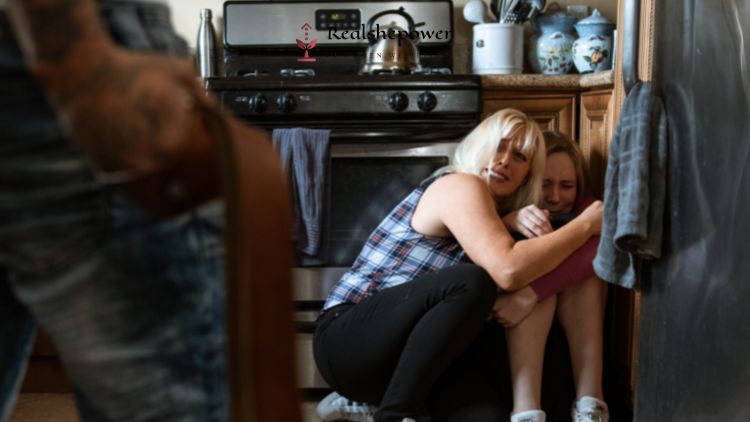
Families often fuel this violence. From birth, many girls are told they are “lesser.” They are raised to be “good wives,” to tolerate mistreatment, to put family before themselves.
When a woman is abused by her husband, many parents tell her to “adjust.” “Marriage is about compromise,” they say. “Think about your children.” If she is tortured by in-laws, they tell her to “keep quiet and be patient.”
This mentality kills. It tells women their pain does not matter. It makes abusers feel they can get away with anything. And they do.
The Legal System: A Failure for Women
India has laws against domestic violence. But laws mean nothing if they are not enforced.
- The Domestic Violence Act (2005) exists, but most cases never reach court.
- The Dowry Prohibition Act (1961) is in place, yet dowry deaths continue at an alarming rate.
- The Indian Penal Code (Section 304B) criminalizes dowry deaths, yet conviction rates remain dismally low.
Women seeking justice are often met with blame. “Why didn’t you leave?” “What did you do to provoke him?” “Are you sure you’re not exaggerating?”
The legal process is long, expensive, and exhausting. Many women give up. Some are killed before they even get a chance to fight.
Where Is Humanity?
We speak about progress. About women’s empowerment. About gender equality. Yet, we let thousands of women die silently each year.
Where is the outrage? Where are the protests? Why is it that women’s lives matter so little in their own homes?
If a woman is not safe in her own house, where is she safe?
The Way Forward
The fight cannot be left to women alone. It requires a societal shift.
- Stronger Laws and Fast-Track Courts – Domestic violence and dowry cases must be tried in fast-track courts. Perpetrators should face harsh sentences.
- Financial Independence for Women – Women must have financial freedom. Dependence on abusers leaves them with no way out.
- Safe Shelters and Helplines – More government-funded shelters should be built. Women need safe spaces to escape abuse.
- Accountability for Families – Families pressuring women to stay in abusive marriages should be held responsible.
- A Cultural Shift – We must stop normalizing abuse. Stop telling women to “adjust.” Start telling men to change.
- Public Awareness – Society needs to wake up. The media must highlight these deaths as the national crisis they are.
Final Thoughts
Women are dying every day. Their screams are muffled behind closed doors. Their bruises are hidden under long sleeves. Their suffering is ignored because it is “too uncomfortable” to talk about.
But silence is no longer an option. Every woman who dies is a life lost too soon. A dream crushed. A future stolen.
If we, as a society, do not act now, we are all complicit in their deaths.
The question is: How many more women need to die before we start caring?