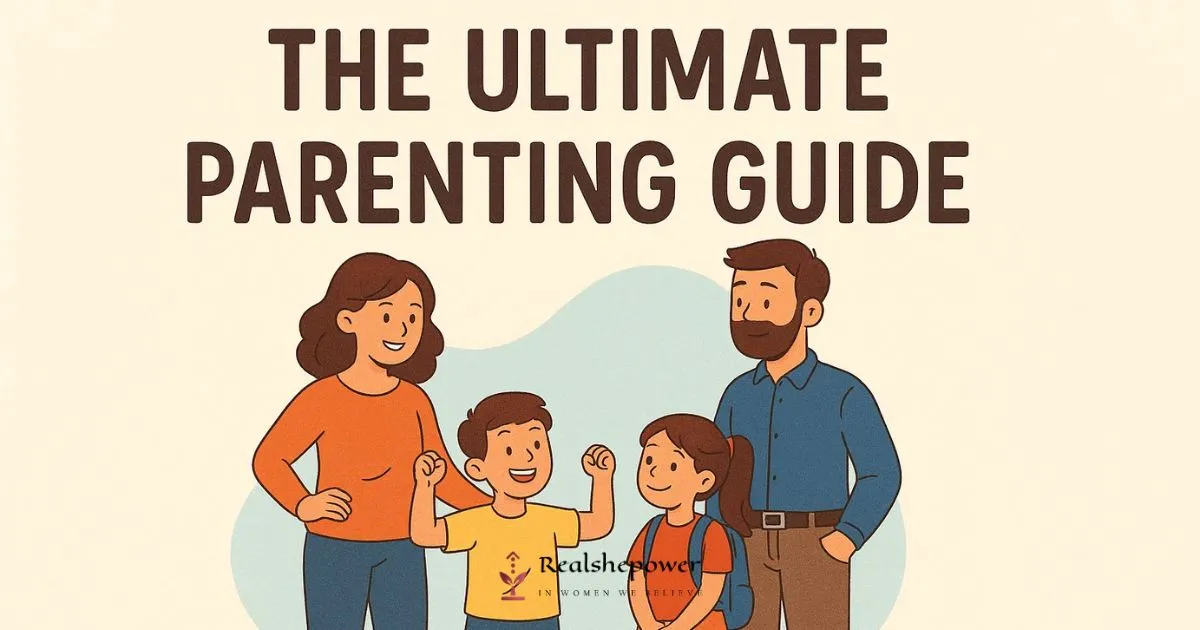
The Ultimate Parenting Guide: The Right Things to Do to Raise Confident, Happy, and Responsible Children
Introduction: Parenting is a Journey, Not a Destination
Parenting is one of the most challenging yet rewarding roles in life. But with constant advice from family, friends, and the internet, it’s easy to feel overwhelmed.
This Ultimate Parenting Guide is designed to simplify the process. It brings together 10 powerful principles that will help you raise confident, kind, and responsible children – while maintaining a strong bond with them.
Remember: Perfect parents don’t exist. But intentional, loving parents do – and that’s what matters.
Table of Contents
1. Building a Strong Emotional Connection with Your Child
Your relationship with your child is the foundation of everything. Children who feel emotionally connected to their parents:
- Have higher self-esteem.
- Are better at handling emotions.
- Trust you enough to share their struggles.
How to build connection:
- Spend 15–30 minutes of quality time daily.
- Listen without judgment and validate feelings.
- Show affection through words and physical touch.
📌 Tip: Put away distractions (like phones) when spending time together.
Read the full section here.
2. Setting Boundaries with Love
Boundaries create structure and safety. They teach children what’s acceptable and help them develop self-control.
How to set boundaries effectively:
- Be clear and consistent about the rules.
- Explain the “why” behind each rule.
- Enforce logical consequences calmly – not harsh punishments.
- Offer choices within boundaries to give children a sense of control.
📌 Remember: Discipline is about teaching, not controlling.
3. Encouraging Independence
Parents often do too much for their children, fearing they will fail. But independence builds confidence.
How to encourage independence:
- Let them make age-appropriate choices (what to wear, what hobby to pursue).
- Give them responsibilities at home (chores, packing their school bag).
- Allow safe failures and guide problem-solving.
“Independence is the greatest gift you can give your child.”
4. Positive Discipline vs. Punishment
Punishment may stop bad behavior temporarily, but it damages trust. Positive discipline teaches children how to make better choices.
How to use positive discipline:
- Connect before you correct.
- Use natural and logical consequences.
- Avoid shaming language – focus on the behavior, not the child.
- Teach problem-solving instead of rescuing.
📌 Tip: Praise effort and good behavior more often than you criticize.
5. Nurturing Emotional Intelligence (EQ)
Emotional intelligence (EQ) is the ability to understand and manage emotions – a skill more important than IQ for lifelong success.
How to build EQ:
- Teach children the vocabulary of emotions.
- Validate their feelings instead of dismissing them.
- Model emotional regulation (stay calm when angry).
- Encourage empathy through questions and role-play.
Children who can manage emotions handle life’s challenges better.
6. Encouraging Healthy Habits
Healthy eating, sleep routines, and balanced screen time are essential for your child’s well-being.
How to build healthy habits:
- Serve balanced meals and involve children in meal prep.
- Maintain consistent bedtimes and calming bedtime routines.
- Follow the 2-1-0 rule: 2 hours max recreational screen time, 1 hour physical activity, 0 screens at mealtimes and before bed.
📌 Tip: Be a role model, your habits influence your child’s choices.
7. Cultivating a Growth Mindset
A growth mindset teaches children that abilities can be developed with effort.
How to develop a growth mindset:
- Praise effort and persistence, not just results.
- Normalize mistakes as learning opportunities.
- Use “yet” to change perspective: “You can’t do this yet, but you will.”
- Give them challenges slightly above their current skill level.
8. Being a Role Model
Children learn more by observing you than by listening to lectures.
How to be a positive role model:
- Practice what you preach – show kindness, honesty, and respect.
- Demonstrate healthy habits and emotional regulation.
- Admit mistakes and apologize when necessary.
“Children are great imitators. So give them something great to imitate.”
9. Teaching Values and Responsibility
Values guide your child when you’re not around. Responsibility teaches them accountability.
How to teach values and responsibility:
- Start early – even toddlers can learn basic values.
- Use stories and real-life examples to teach ethics.
- Assign age-appropriate chores and follow through consistently.
- Encourage gratitude and involve them in community service.
📌 Tip: Avoid rescuing them from every mistake – let them face natural consequences.
10. Taking Care of Yourself as a Parent
You can’t raise happy children if you’re constantly burnt out.
How to care for yourself:
- Prioritize physical health (sleep, nutrition, exercise).
- Make time for mental and emotional health (journaling, mindfulness, therapy).
- Build a support system and ask for help when needed.
- Pursue personal interests and set healthy boundaries.
“Taking care of yourself is not selfish. It’s essential for your child’s well-being.”
Putting It All Together
Parenting isn’t about perfection – it’s about being consistent, intentional, and loving. These 10 principles work together to raise children who are:
- Confident and independent.
- Kind and responsible.
- Resilient in the face of challenges.
Remember: Your presence, not perfection, is what your child needs most.
Bonus: How to Use This Guide
- Choose 1–2 principles to focus on each month – small changes add up.
- Share the guide with other caregivers (grandparents, nannies, teachers) for consistency.
- Revisit the guide as your child grows – these principles apply at every stage.