
I Couldn’t Stop Watching Rachel Weisz’s Wild Obsession – Netflix’s Vladimir Is Shockingly Addictive (But You’ll Hate Her By the End!)
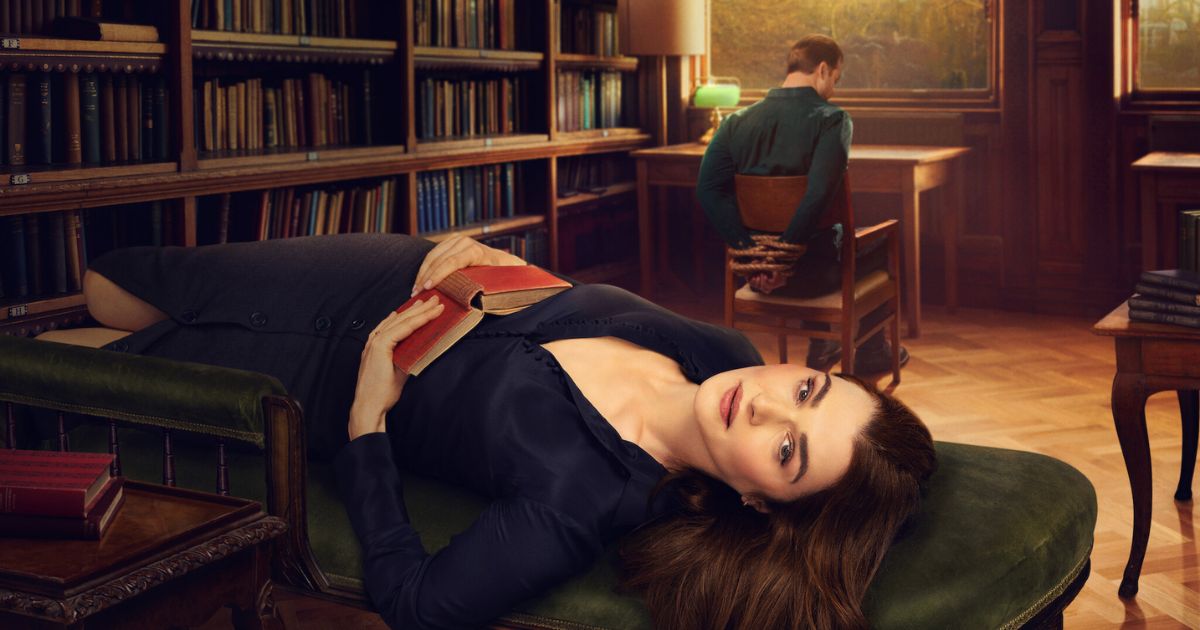
The Netflix limited series Vladimir (released March 5, 2026) is an eight-episode dramedy adapted by Julia May Jonas from her own 2022 novel. It stars Rachel Weisz as an unnamed, sharp-tongued English professor in her late 50s (often referred to as “M.”), whose carefully constructed life—tenured job, open marriage, intellectual superiority—starts to crack when she develops an intense, all-consuming obsession with her charismatic younger colleague, Vladimir (Leo Woodall). Her husband John (John Slattery) is simultaneously facing campus discipline for past affairs with students, adding layers of hypocrisy, denial, and midlife reckoning.
This is not your standard campus affair story or lightweight sex comedy. It’s prickly, introspective, and often uncomfortable, diving headfirst into themes of desire, aging, power dynamics, entitlement, and the self-deceptions we cling to when lust overrides reason. The show leans heavily on voiceover narration from Weisz’s character, giving it a confessional, almost Fleabag-like intimacy though without quite the same warmth or redemption arc. Weisz is magnetic: brittle, witty, and unflinchingly honest in portraying a woman who intellectually knows better but emotionally spirals anyway. Her performance carries the series, turning what could have been a one-note “cougar” trope into something more layered and tragicomic.
Leo Woodall plays Vladimir with effortless charm: he’s magnetic without trying too hard, which makes the protagonist’s fixation feel believable even when it veers into delusion. The chemistry between them crackles in subtle, charged moments rather than overt romance, and the show smartly keeps him somewhat enigmatic; we see him mostly through her increasingly unreliable lens. Supporting turns, especially Slattery as the smug-but-falling-apart husband and Jessica Henwick in a smaller but pointed role, add texture to the academic world that feels lived-in and satirically accurate.
The pacing benefits from short episodes (most under 30 minutes), keeping the tension taut without overstaying its welcome. The humor is dark and dry—faculty politics, passive-aggressive salads, and pointed digs at “it was a different time” excuses land sharply. That said, it’s not always easy viewing. The protagonist is self-absorbed and morally slippery, and the show doesn’t let her off the hook easily. Some viewers might find the tone too cynical or the satire too cutting, and a few plot turns feel more novelistic than televisual, leading to moments that feel rushed or underdeveloped in adaptation.
Overall, I’d give Vladimir a solid 7.5/10. It’s intellectually stimulating, well-acted (Weisz deserves awards consideration), and refreshingly adult in its handling of desire and hypocrisy. It won’t be everyone’s cup of tea it’s more incisive than comforting, but if you’re in the mood for a smart, uneasy exploration of midlife obsession wrapped in black comedy, this is worth the binge. It’s the kind of show that lingers, forcing you to confront your own rationalizations long after the credits roll.
If you’re looking for escapist romance or clear moral lines, look elsewhere. But for something bold and biting, Vladimir delivers.





)