Beef Season 2 Review
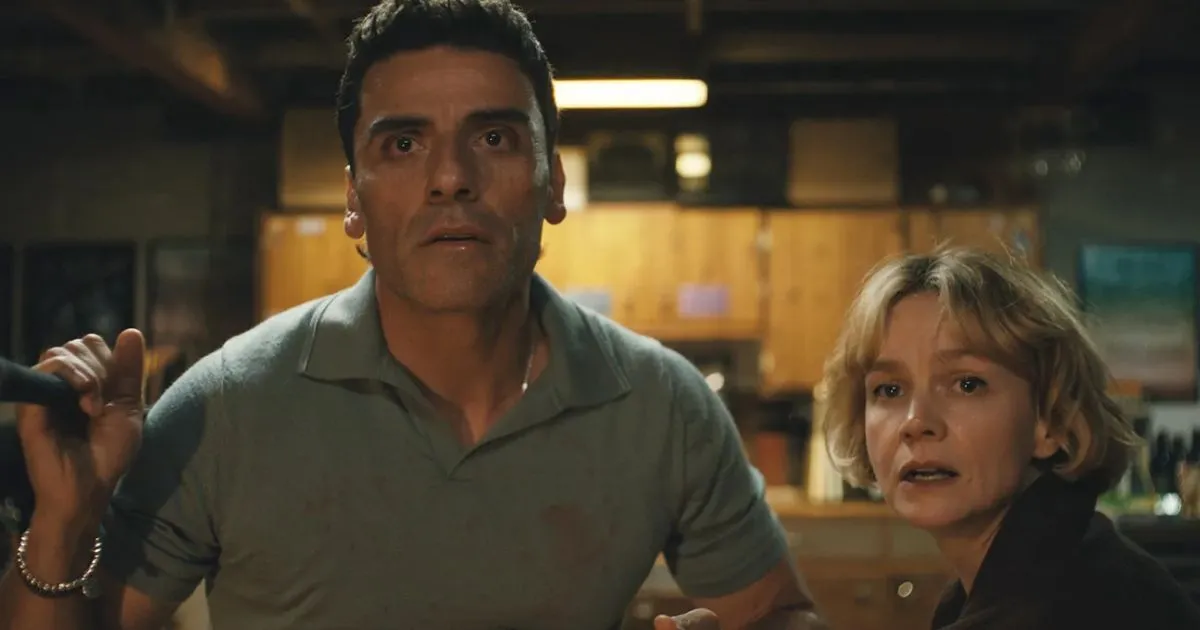
Beef Season 2 is a solid but not transcendent follow-up to the 2023 original. It premiered all eight episodes on Netflix on April 16, 2026, shifting to a full anthology format with an entirely new cast and story while keeping creator/showrunner Lee Sung Jin at the helm.
What Works Well
The series retains the dark comedy, escalating interpersonal chaos, and sharp writing that made Season 1 so addictive. It explores resentment, class tensions, generational clashes, and fragile relationships through a new “beef” set at an exclusive Montecito country club.
The central conflict involves two couples:
- Millennials Josh (Oscar Isaac) and Lindsay (Carey Mulligan) — a stalled married pair (he’s the general manager, she’s an interior designer) whose dreams of opening a B&B have soured into inertia and quiet bitterness.
- Gen Z fiancés Ashley (Cailee Spaeny) and Austin (Charles Melton) — lower-level staff who witness a volatile fight between their bosses and get pulled into the mess via favors, coercion, and mutual blackmail.
Supporting players like Youn Yuh-jung as the intimidating billionaire Chairwoman Park and Song Kang-ho as her husband add layers of cultural and class friction. The performances are excellent across the board: Isaac and Mulligan bring magnetic, layered mid-life crisis energy, while Spaeny and Melton effectively portray ambitious yet vulnerable younger characters navigating power dynamics. The show keeps its tense, black-comic tone, with moments of absurdity, violence, and emotional rawness that feel true to the Beef brand.
It smartly expands to multiple relationships and three generations, examining how resentment festers in privileged settings and how people rationalize terrible decisions in pursuit of status or validation. Some critics note it feels “bigger” and more complex in its relational web, which can be a strength.
Where It Falls Short
Season 2 doesn’t quite capture the lightning-in-a-bottle intensity of the first. The original’s tight, two-hander road-rage spiral felt uniquely propulsive and personal; this version spreads the drama across more characters and subplots, which sometimes dilutes the focus. It can feel a bit over-extended or familiar (echoes of shows like The White Lotus in its wealthy, dysfunctional ensemble), and the escalation doesn’t always hit with the same visceral punch.
Some viewers and reviewers have called it “less rare” or “not as unhinged,” with the chaos feeling more constructed than organic at times. Early audience chatter on Reddit and elsewhere is mixed—many appreciate the performances and dark humor but feel it lacks the raw, exhausting catharsis of Season 1. Viewership numbers also seemed softer out of the gate than expected for such a stacked cast and pedigree.
Overall Verdict
If you loved Season 1 for its blend of cringe comedy, psychological depth, and explosive fallout from small grievances, Season 2 is absolutely worth watching—it’s still one of the more ambitious and well-acted dark comedies on TV. The cast elevates the material, and Lee Sung Jin’s voice remains distinctive.
That said, it’s hard not to compare it to the original, and it comes up a notch short in pure impact and tightness. I’d give it a 7.5/10 — very good television that delivers juicy entertainment and sharp observations about modern discontent, but not the instant-classic territory of Season 1.
If you’re in the mood for messy people making worse decisions in beautiful settings with top-tier acting, dive in. Just don’t expect it to top the high bar set by Ali Wong and Steven Yeun’s unforgettable feud. (They’re involved as executive producers but don’t appear on screen.) Here’s hoping any future seasons (none renewed yet as of now) keep refining the formula.
➤ Up Next: Is Beef Season 2 Better Than Season 1? Honest Comparison