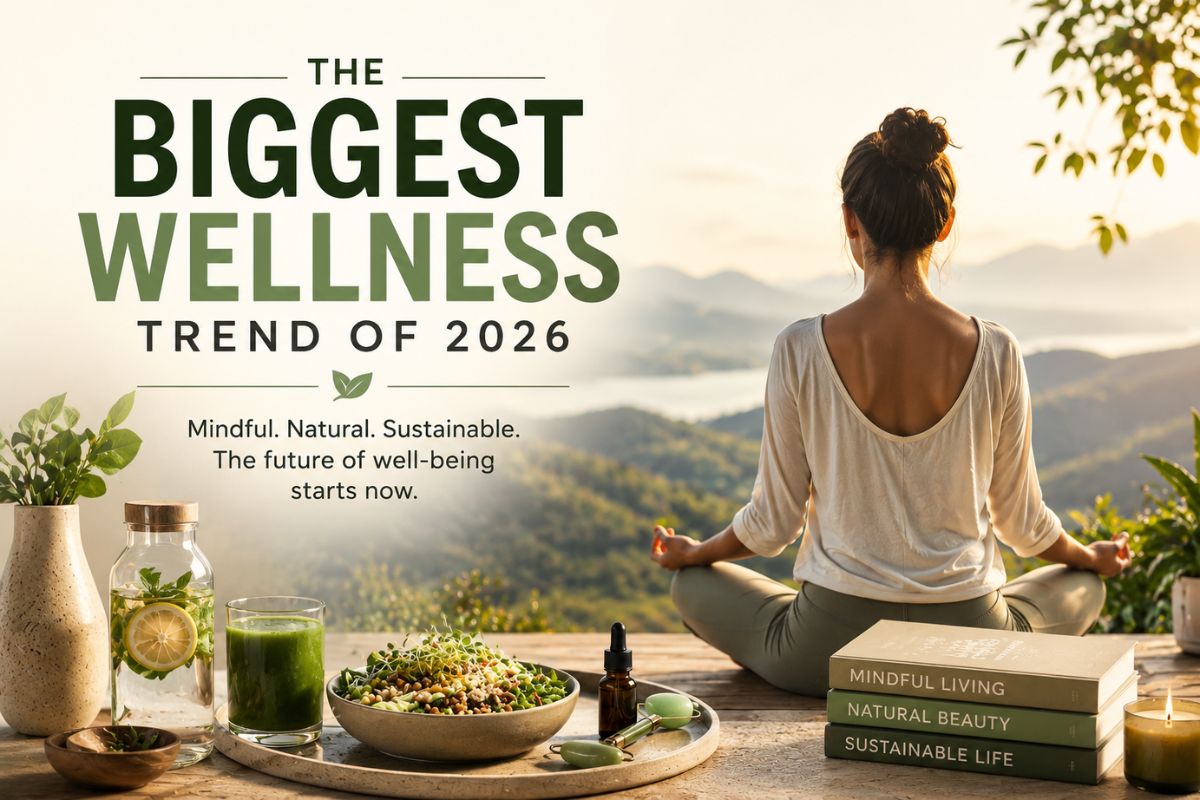
We Asked 12 Experts What Will Be the Biggest Wellness Trend of 2026. Surprisingly, They All Pointed to the Same Thing.
For years, the wellness industry has been obsessed with the next miracle. One year it was green juices. Then came collagen, intermittent fasting, cold plunges, cortisol cocktails, red light therapy, glucose monitors, mouth taping, and an endless parade of supplements promising to change our lives.
But as we move deeper into 2026, something interesting is happening.
The conversation is changing.
Instead of asking, “What’s the next biohack?” more people are asking, “What actually works?”
To find out where wellness is headed next, we spoke with nutritionists, physicians, psychologists, sleep researchers, fitness coaches, women’s health specialists, longevity experts, and behavioral scientists. While each expert came from a different discipline, their answers shared one remarkable theme.
“The future of wellness isn’t about doing more. It’s about doing fewer things, consistently.”
That sentence came up in different forms again and again.
Perhaps the biggest wellness trend of 2026 isn’t a trend at all.
It’s simplicity.
The Era of Extreme Wellness Is Ending
Not long ago, wellness was almost competitive.
People woke up at 4 a.m., immersed themselves in ice baths, swallowed dozens of supplements, tracked every calorie, every heartbeat, every minute of sleep, and somehow still felt exhausted.
Experts believe many people have reached a breaking point.
Instead of making them healthier, wellness itself had become another source of stress.
One behavioral psychologist described it perfectly.
“People don’t need another routine. They need relief.”
That shift may define wellness in 2026.
Rather than adding more habits, people are becoming more selective about the ones they keep.
Personalized Wellness Will Replace Generic Advice
Perhaps the biggest mistake wellness has made over the past decade is assuming everyone needs the same routine.
One doctor explained that the perfect morning routine for a marathon runner could be completely wrong for a new mother.
Likewise, a fasting protocol that works well for one person may leave someone else fatigued, anxious, or constantly hungry.
Instead of following influencers, experts expect more people to ask better questions.
How does my body respond?
How do I actually feel?
What works for my schedule?
“Your biology doesn’t know what’s trending on social media.”
That may become one of the defining ideas of 2026.
Mental Recovery Is Becoming More Important Than Physical Recovery
Fitness has long emphasized muscle recovery.
Now psychologists believe mental recovery deserves the same attention.
Burnout isn’t always caused by working too much.
Sometimes it’s caused by never switching off.
Experts predict more people will intentionally schedule quiet walks, screen-free evenings, time in nature, creative hobbies, and genuine rest instead of treating relaxation as something they have to earn.
One psychiatrist laughed before saying something surprisingly simple.
“Your nervous system wasn’t designed for endless notifications.”
Sleep Is Becoming the New Status Symbol
There was a time when sleeping four hours was considered impressive.
Today, it signals something very different.
Researchers believe quality sleep is becoming one of the strongest indicators of long-term health.
Instead of bragging about hustle culture, people are beginning to value consistent sleep schedules, evening routines, morning sunlight, and fewer late-night scrolling sessions.
One sleep physician summarized it in a single sentence.
“Everything gets easier when your brain gets enough sleep.”
Women Are Rejecting Wellness That Creates More Anxiety
Women’s health experts repeatedly highlighted another emerging trend.
For years, women have been sold impossible standards disguised as wellness.
Perfect hormones.
Perfect gut health.
Perfect skin.
Perfect metabolism.
Experts believe 2026 will move away from perfection and toward education.
Women are becoming more interested in understanding their bodies rather than constantly trying to fix them.
Instead of fearing every symptom, they’re asking better questions and looking for evidence before believing viral health claims.
“The healthiest women aren’t chasing perfection. They’re building trust with their own bodies.”
Food Is Becoming Less Restrictive
Diet culture has gone through countless transformations.
Low fat became low carb.
Low carb became keto.
Keto became carnivore.
Then plant-based.
Then protein became king.
Experts predict that 2026 will finally move away from labeling foods as “good” or “bad.”
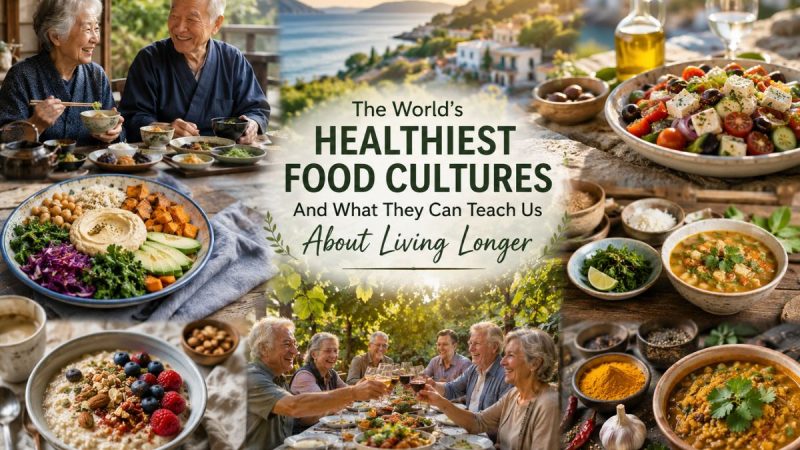
Instead, people are focusing on overall dietary patterns.
Colorful vegetables.
Fiber.
Protein.
Whole foods.
Enjoying celebrations without guilt.
One nutritionist said something refreshingly ordinary.
“The healthiest meal is usually the one you can keep eating for years.”
Longevity Will Replace Weight Loss
Weight loss has dominated wellness conversations for decades.
That may be changing.
Doctors say more patients are asking questions like:
How do I stay healthy at 70?
How do I protect my brain?
How do I maintain muscle?
How do I remain independent as I age?
These questions reflect a broader shift toward longevity rather than aesthetics.
Living longer matters.
Living well matters even more.
“People don’t just want more years. They want more healthy years.”
Community Is Returning to Wellness
Many experts argued that loneliness has quietly become one of the greatest health challenges of modern life.
The healthiest habits often happen with other people.
Walking together.
Cooking together.
Sharing meals.
Joining fitness groups.
Calling friends.
Volunteering.
Human connection itself appears to improve emotional well-being and support healthier lifestyles.
As one psychologist put it,
“The opposite of burnout isn’t productivity. It’s belonging.”
Wellness Is Becoming Less Expensive
Perhaps the biggest surprise of all?
Almost none of the experts mentioned luxury wellness products.
Nobody claimed expensive supplements were the future.
Nobody insisted everyone needed wearable technology.
Instead, they returned again and again to habits that cost little or nothing.
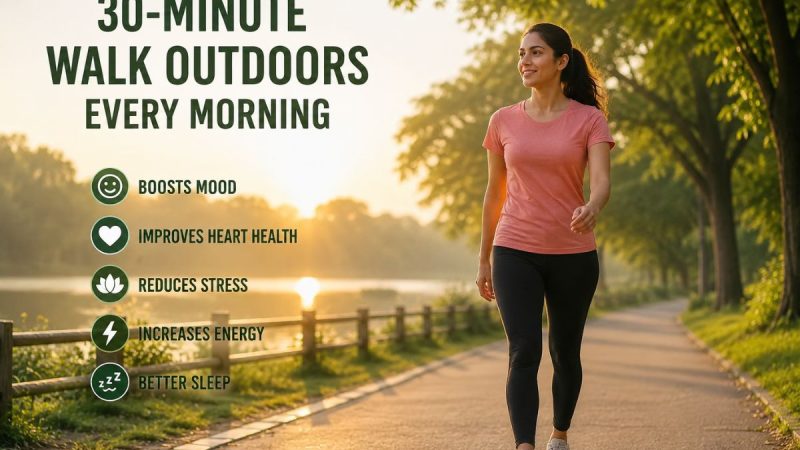
Walking.
Sleeping.
Laughing.
Cooking.
Moving.
Connecting.
Spending time outdoors.
Managing stress.
These habits may not go viral overnight.
But they consistently outperform many expensive wellness fads.
“Health isn’t hidden inside a luxury product. It’s usually hiding inside ordinary routines.”
So, What Is the Biggest Wellness Trend of 2026?
After speaking with experts from different fields, one conclusion became impossible to ignore.
The biggest wellness trend isn’t another gadget.
It isn’t another supplement.
It isn’t another restrictive diet.
It isn’t another impossible morning routine.
The future belongs to sustainable habits that people can actually maintain.
Wellness is becoming quieter.
Less performative.
Less extreme.
More personal.
More evidence-based.
More compassionate.
Perhaps that’s exactly what people have been searching for all along.
Final Thoughts
The wellness industry has spent years convincing us that health is something we need to buy, optimize, and constantly chase. Yet the voices shaping 2026 are pointing in a different direction. They suggest that lasting well-being comes from habits we can sustain, relationships we nurture, sleep we protect, food we genuinely enjoy, and moments when we simply slow down.
Ironically, the next big thing in wellness may not feel revolutionary at all.
It may simply feel like coming back to the basics.
FAQs
What is expected to be the biggest wellness trend in 2026?
Experts increasingly point toward personalized, evidence-based wellness built around sustainable daily habits rather than extreme biohacks or one-size-fits-all routines.
Are wellness trends becoming more science-based?
Yes. Healthcare professionals and researchers are encouraging people to rely more on scientific evidence, preventive care, and long-term lifestyle habits instead of viral social media trends.
Why is longevity becoming more important than weight loss?
People are shifting their focus from looking younger to living healthier for longer, emphasizing muscle strength, metabolic health, brain function, and quality of life.
Is expensive wellness necessary?
Most experts agree that many of the most effective health habits, including walking, sleeping well, eating nutritious foods, managing stress, and maintaining strong social connections, cost very little.