Maoism in India Exposed Shocking Truths About the Deadly Insurgency Still Ravaging the Nation
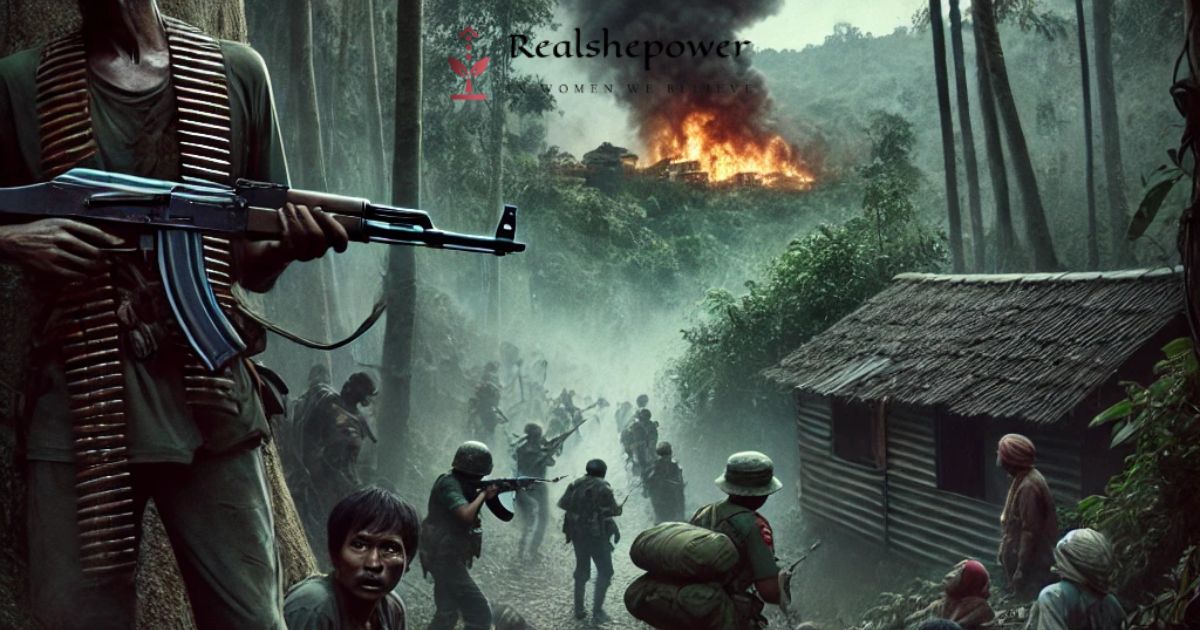
Maoism, often referred to as Naxalism in India, remains one of the country’s most persistent internal security threats. What started as an agrarian revolt in the small village of Naxalbari in West Bengal in 1967 has now spread its tentacles across vast regions of central and eastern India. Today, this movement continues to claim lives, displace communities, and destabilize governance in some of the most resource-rich yet poverty-stricken areas of the country. Despite several attempts by the Indian government to curb the movement, the “Red Corridor” remains a hotbed of violence and unrest.
Table of Contents
Understanding Maoism: The Roots of the Insurgency
Maoism in India is inspired by the teachings of Chinese revolutionary Mao Zedong, advocating for a violent overthrow of the state through a protracted people’s war. The movement aims to establish a classless society by dismantling the existing socio-economic and political structures. In India, this ideology took root with the Naxalite uprising in 1967, led by Charu Majumdar and Kanu Sanyal, who sought to empower landless farmers and marginalized tribal communities against exploitative landlords.
The Rise of Naxalism
The early years of the movement were marked by sporadic uprisings and violence. However, after facing severe crackdowns from the state, the movement splintered into various factions. The most notable consolidation happened in 2004, when two major groups—the People’s War Group (PWG) and the Maoist Communist Centre (MCC)—merged to form the Communist Party of India (Maoist), which remains the primary force behind Maoist insurgency in India today.
The Spread of the Red Corridor: Geographical Strongholds
The Maoist influence extends over a vast stretch of land known as the Red Corridor, covering parts of 10 states, including Chhattisgarh, Jharkhand, Odisha, Bihar, Maharashtra, Andhra Pradesh, and Telangana. However, Chhattisgarh, particularly the Bastar region, remains the epicenter of Maoist activity.
Chhattisgarh: The Heart of Maoist Insurgency
Bastar has been a conflict zone for decades, with dense forests providing a safe haven for Maoist cadres. The tribal communities residing here often find themselves caught in the crossfire between Maoist militants and security forces. Dantewada, Sukma, Bijapur, and Narayanpur are among the most affected districts.
Recent Maoist Attacks and Rising Death Toll
The violence in Chhattisgarh has escalated in recent years. According to government data:
- 2023 Data: Over 100 security personnel and civilians were killed in Maoist-related violence in Chhattisgarh alone.
- April 2023 Dantewada Attack: 10 police personnel and one civilian were killed when Maoists detonated an Improvised Explosive Device (IED).
- Sukma Ambush (2021): In one of the deadliest attacks, 22 security personnel lost their lives after being ambushed by Maoist forces.
The Maoist Strategy: Guerrilla Warfare and Civilians as Pawns
Maoists follow a classic guerrilla warfare strategy—hit-and-run tactics, ambushes, and surprise attacks on security forces. They also sabotage infrastructure, including railways, communication lines, and schools, to disrupt state influence in these regions.
Recruitment and Use of Child Soldiers
One of the most disturbing aspects of the Maoist strategy is their use of child soldiers. Young boys and girls, some as young as 12, are indoctrinated and trained to carry out attacks. These children, often from tribal communities, are brainwashed and used as pawns in the war against the state.
Economic Exploitation and Tribal Discontent: Fueling the Fire
The Maoist movement thrives on the deep-rooted grievances of tribal and marginalized communities. Despite being rich in natural resources, regions affected by Maoism remain underdeveloped. Rampant displacement, loss of land, and lack of basic amenities push these communities into the arms of Maoists, who promise protection and empowerment.
Exploitation of Natural Resources
The mineral-rich regions of Jharkhand, Chhattisgarh, and Odisha contribute significantly to India’s economy. However, the local tribal population sees little benefit from this wealth. Instead, they face displacement and environmental degradation due to large-scale mining projects.
Data Highlights:
- Over 5 million tribals have been displaced in the last three decades due to mining and infrastructure projects.
- Less than 10% of the displaced population has been adequately rehabilitated.
Government Response: Military Crackdowns and Development Initiatives
Operation Green Hunt: The Military Offensive
Launched in 2009, Operation Green Hunt was one of the largest coordinated military offensives against Maoist insurgents. The operation deployed thousands of paramilitary forces in Maoist strongholds, leading to the arrest or elimination of several top Maoist leaders. However, despite initial success, the operation faced criticism for human rights violations and collateral damage, further alienating tribal communities.
Development as a Counter-Insurgency Strategy
Realizing that military action alone cannot solve the Maoist problem, the Indian government has also focused on development initiatives. Programs such as the Aspirational Districts Programme and Special Central Assistance (SCA) for LWE Districts aim to improve infrastructure, education, and healthcare in Maoist-affected areas.
Progress Report:
- Aspirational Districts Programme: Significant improvement in literacy rates and healthcare access in Maoist-affected regions.
- Road Construction: Over 11,000 kilometers of roads constructed in Left-Wing Extremism (LWE) districts, improving connectivity and state presence.
Why Maoism Persists: Critical Analysis of Gaps
Despite numerous efforts, Maoism continues to thrive due to systemic gaps:
- Alienation of Tribals: The failure to address the socio-economic grievances of tribal communities creates fertile ground for Maoist propaganda.
- Poor Governance and Corruption: Corruption in the implementation of development schemes often deprives marginalized communities of benefits.
- Lack of Trust: Years of violence and human rights violations by security forces have led to deep mistrust between local communities and the state.
The Human Cost: Civilians Caught in the Crossfire
Civilians bear the brunt of the Maoist insurgency. Villages are often forced to choose sides, making them vulnerable to violence from both Maoists and security forces.
Disturbing Numbers:
- Over 2,500 civilians have been killed in Maoist-related violence in the last decade.
- Displacement: More than 100,000 villagers have been displaced due to ongoing conflict.
The Future of Maoism: Is an End in Sight?
The Indian government’s dual strategy of military action and developmental outreach has yielded mixed results. While Maoist influence has waned in some regions, the core Maoist strongholds remain defiant.
Critical Steps Forward:
✅ Empower Tribal Communities: Genuine empowerment through land rights, better education, and healthcare.
✅ Dialogue and Peace Process: Initiate a dialogue with moderate factions to negotiate peace.
✅ Accountability and Transparency: Ensure that development funds reach the intended beneficiaries.
Final Thoughts: A Long Road Ahead
Maoism in India is not merely a security problem—it’s a symptom of deep-rooted socio-economic inequalities. Until these underlying issues are addressed, the cycle of violence will continue to plague the nation. A sustainable solution requires a balanced approach that combines military intervention with genuine efforts to improve the lives of marginalized communities.
As India marches towards progress, the question remains: Can the nation break free from the clutches of Maoism, or will this lingering insurgency continue to haunt the country’s future?