The Escalating Israel-Hamas Conflict: A Deep Dive into the Latest Developments and Their Global Implications
As of September 17, 2025, one of the most pressing and widely discussed topics dominating global headlines and social media feeds is the ongoing Israel-Hamas conflict. What began as a renewed offensive in the Gaza Strip has rapidly escalated, drawing international condemnation, diplomatic frenzy, and widespread protests. Recent reports indicate that Israeli airstrikes have killed at least 25 people in a single day across Gaza, further intensifying a humanitarian crisis that has already claimed thousands of lives since the breakdown of a fragile 2025 ceasefire. This escalation not only highlights the fragility of peace efforts in the Middle East but also underscores broader geopolitical tensions, including U.S. involvement under the Trump administration and the role of global powers in mediating or exacerbating the situation. In this comprehensive article, we’ll explore the historical context, the immediate triggers of the current flare-up, the human cost, international responses, and potential pathways forward, drawing on the latest news and analyses.
Historical Context: A Cycle of Violence Rooted in Decades of Conflict
The Israel-Hamas conflict is not a new phenomenon; it’s the latest chapter in a protracted struggle dating back to the establishment of the State of Israel in 1948 and the subsequent displacement of Palestinians, known as the Nakba. Hamas, an Islamist militant group founded in 1987 as an offshoot of the Muslim Brotherhood, has controlled the Gaza Strip since 2007, following its victory in Palestinian legislative elections and a subsequent civil war with Fatah, the dominant faction in the Palestinian Authority.
Over the years, the conflict has seen multiple escalations, including wars in 2008-2009, 2012, 2014, and 2021, characterized by rocket fire from Gaza into Israel and retaliatory Israeli airstrikes and ground operations. The 2023-2024 war, sparked by Hamas’s October 7 attack that killed over 1,200 Israelis and took more than 250 hostages, led to a devastating Israeli response that resulted in tens of thousands of Palestinian deaths and widespread destruction in Gaza. A temporary ceasefire in early 2025, brokered by international mediators including the U.S., Qatar, and Egypt, allowed for some hostage releases and humanitarian aid inflows. However, underlying issues such as Israeli settlements in the West Bank, the blockade of Gaza, and the lack of a viable two-state solution remained unresolved.
By mid-2025, tensions simmered as Hamas regrouped and Israel faced internal political pressures, including protests over judicial reforms and security failures. The recent resumption of hostilities marks a breakdown of that ceasefire, with both sides accusing the other of violations. According to reports from Reuters and NPR, the Israeli military’s announcement of escalated operations on September 16, 2025, came amid intelligence suggesting Hamas was rearming and planning further attacks. This has plunged the region into what many experts describe as an even more volatile phase, with fears of a broader regional war involving Hezbollah in Lebanon or Iran-backed militias.
The Spark: What Triggered the Latest Escalation?
The immediate catalyst for the current escalation appears to be a series of cross-border incidents in late August and early September 2025. Israeli forces reported intercepting rockets launched from Gaza on September 10, which they attributed to Hamas militants. In response, Israel conducted precision strikes on alleged Hamas command centers in Gaza City and Khan Younis. Hamas denied responsibility for the initial rocket fire, claiming it was a rogue faction, but retaliated with drone incursions into southern Israel.
On September 12, 2025, the United Nations reported over 332 children killed and 609 injured in Gaza since the offensive resumed, a statistic that has fueled global outrage. UNICEF’s dire assessment paints a picture of a humanitarian catastrophe, with schools, hospitals, and refugee camps bearing the brunt of the violence. The Israeli Defense Forces (IDF) maintain that their operations target only military objectives, citing the use of human shields by Hamas as a complicating factor. However, eyewitness accounts and footage from Gaza, shared widely on platforms like X (formerly Twitter), show civilian casualties mounting, including strikes on a crowded market in Rafah that killed at least 15 people.
Social media has played a pivotal role in amplifying these events. On X, hashtags like #GazaUnderAttack and #IsraelHamasWar have trended globally, with users sharing videos of airstrikes and personal stories of loss. Semantic searches on the platform reveal a surge in posts from September 15-17, 2025, expressing solidarity with Palestinians, while pro-Israel accounts highlight Hamas’s role in perpetuating the cycle of violence. One viral thread from a Gaza-based journalist detailed the chaos in real-time, garnering over 100,000 views and sparking debates on the ethics of embedded reporting in war zones.
The Human Cost: A Humanitarian Crisis Unfolding in Real Time
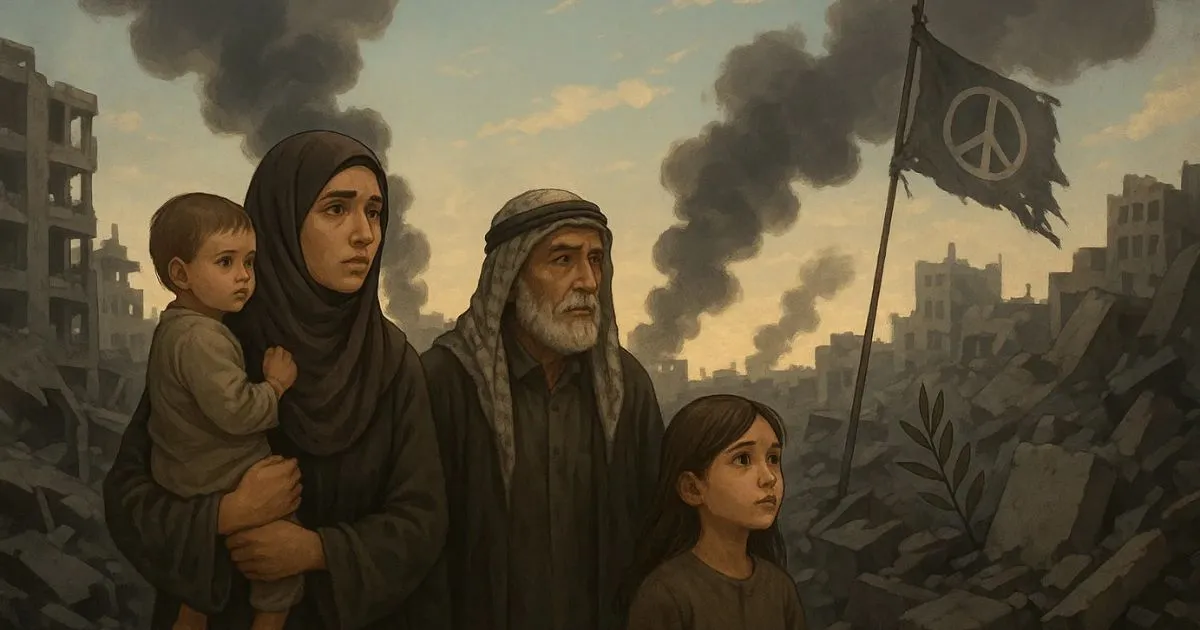
The toll of this renewed conflict is staggering and multifaceted. According to the Gaza Health Ministry, as of September 17, 2025, over 2,500 Palestinians have been killed since the ceasefire collapsed, with thousands more injured and displaced. The blockade of aid, tightened by Israel in response to the rocket fire, has led to shortages of food, water, and medical supplies. Hospitals in Gaza are overwhelmed, with reports of doctors performing surgeries without anesthesia amid power outages caused by damaged infrastructure.
On the Israeli side, at least 12 civilians have been killed by rocket barrages, and communities near the border live under constant threat. The psychological impact is profound: children in both regions are traumatized, with long-term effects on mental health that could span generations. NPR highlighted a particularly heartbreaking story on September 16, 2025, of a family separated during the initial 2023 war, now facing renewed peril as evacuation orders force mass movements.
Women and children, who make up a significant portion of Gaza’s population, are disproportionately affected. The UN’s appeal for greater peace efforts in a “fractured world” on September 12 underscores how this conflict exemplifies broader global instability, from Ukraine to Sudan. Environmental damage is another overlooked aspect: airstrikes have released toxins into Gaza’s soil and water, exacerbating health issues in an already impoverished area.
Internationally, aid organizations like Doctors Without Borders have called for immediate ceasefires, but deliveries remain hampered. The World Health Organization reports a spike in diseases like hepatitis B due to poor sanitation, linking it indirectly to the chaos.

International Responses: Diplomacy, Condemnation, and Geopolitical Maneuvering
The global reaction to the escalation has been swift but divided. On September 16, 2025, NPR noted FBI Director Kash Patel’s involvement in related Senate hearings, highlighting U.S. domestic debates over intelligence sharing and counterterrorism.
The European Union has condemned the violence, with leaders like Ursula von der Leyen calling for de-escalation and urging Israel to allow humanitarian access. In the Middle East, Qatar and Egypt are once again mediating, but progress is stalled. Iran’s Supreme Leader has voiced support for Hamas, raising fears of proxy involvement, while Saudi Arabia remains neutral, focused on its Vision 2030 economic reforms.
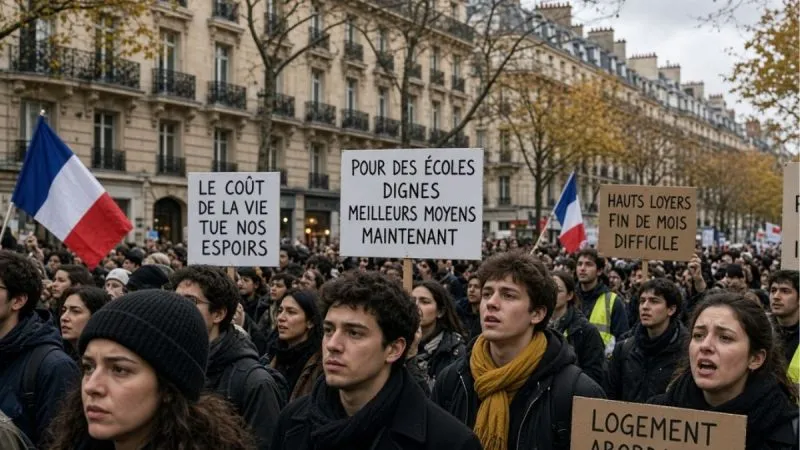
Protests have erupted worldwide: in London, thousands marched on September 15, 2025, waving Palestinian flags; in New York, counter-demonstrations clashed with police. On X, semantic searches show a polarized discourse, with posts from influencers like Andrew Tate drawing massive engagement on related themes of global injustice, though not directly tied to this conflict.
The UN Security Council held an emergency session on September 16, but veto threats from the U.S. prevented binding resolutions. Human Rights Watch accused both sides of war crimes, citing disproportionate force by Israel and indiscriminate rocket attacks by Hamas.
Broader Implications: From Regional Stability to Global Security
This escalation reverberates far beyond Gaza. It threatens to destabilize the entire Middle East, potentially drawing in Lebanon via Hezbollah clashes on the northern border. Oil prices have spiked 5% since September 15, 2025, due to fears of disrupted shipping in the Red Sea. In the U.S., it intersects with domestic politics: with midterms looming, Trump’s base rallies around Israel, while progressives demand a policy shift.
Economically, the conflict hampers global supply chains, as Gaza’s proximity to key trade routes amplifies risks. Environmentally, the destruction contributes to climate vulnerabilities in a region already prone to droughts. Socially, it fuels Islamophobia and antisemitism worldwide, as seen in rising hate crimes reported by the ADL.
On a positive note, grassroots movements are gaining traction. Initiatives like the “Peace Now” campaign, trending on X since September 16, advocate for dialogue and economic incentives for peace.
Pathways to Peace: Challenges and Hope Amid Despair
Ending the cycle requires addressing root causes: a sustainable two-state solution, lifting the Gaza blockade, and international guarantees against aggression. Experts suggest confidence-building measures, such as joint economic zones or third-party monitoring of borders. However, with Hamas’s charter calling for Israel’s destruction and Israel’s security concerns paramount, trust is scarce.
International pressure could help: sanctions on arms suppliers or incentives for normalization, as seen in the Abraham Accords. Youth-led activism, amplified on social media, offers hope—posts from young Palestinians and Israelis calling for coexistence have gone viral.
As the world watches, the Israel-Hamas conflict reminds us of the human stakes in geopolitics. On September 17, 2025, with airstrikes continuing and diplomacy faltering, the path forward is uncertain. Yet, history shows that even in the darkest times, breakthroughs are possible. The international community must act decisively to prevent further tragedy and foster a lasting peace.