Is It Safe to Travel to Paris Right Now? What You Need to Know
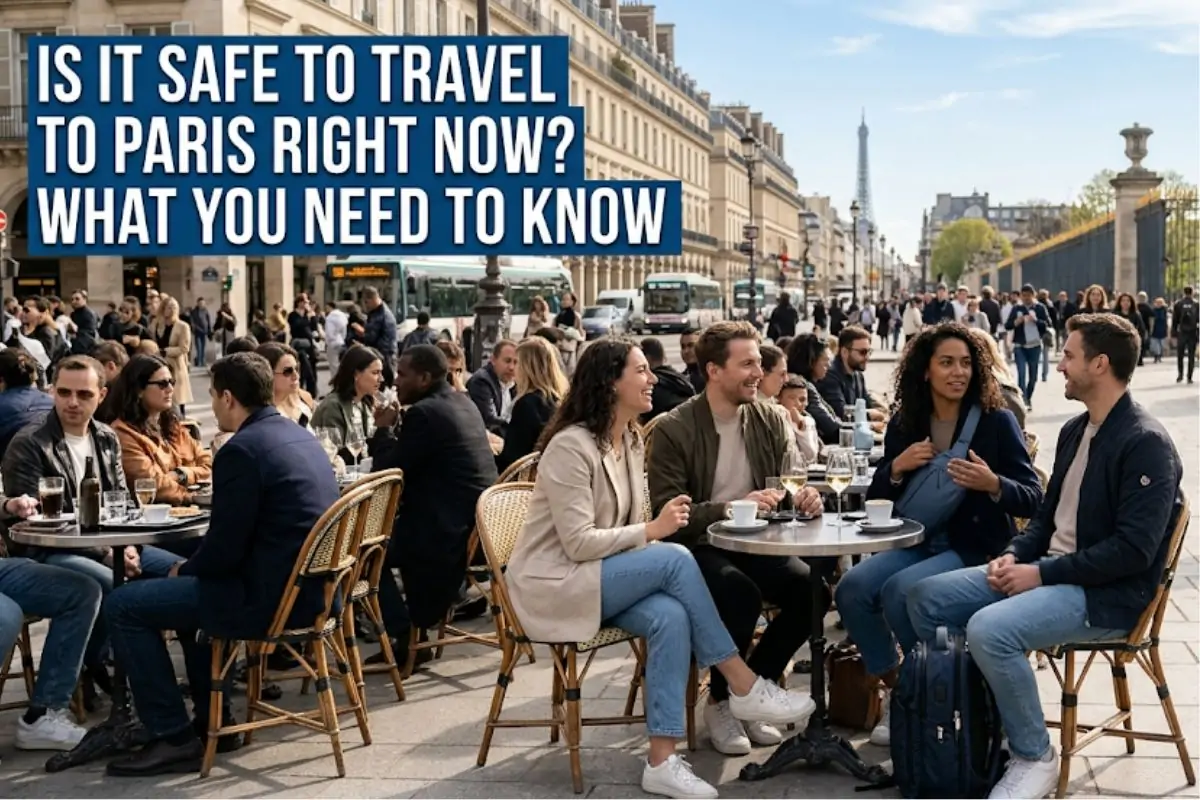
Paris, the City of Light, remains one of the world’s premier travel destinations. Its iconic landmarks, world-class museums, and charming cafes continue to draw millions of visitors annually. However, in an era of global uncertainty, the question “Is it safe to travel to Paris right now?” is on many prospective travelers’ minds.
This comprehensive guide will provide you with the most up-to-date and practical information to assess the current safety situation in Paris, allowing you to make an informed decision and prepare for a worry-free trip.
Understanding the Current Safety Landscape in Paris
Generally speaking,Paris is a safe city for tourists. The risk of encountering serious violent crime is relatively low compared to many major cities globally. However, like any large urban center, it is not without its issues,and travelers need to be aware of specific concerns.
The State of Public Order and Demonstrations
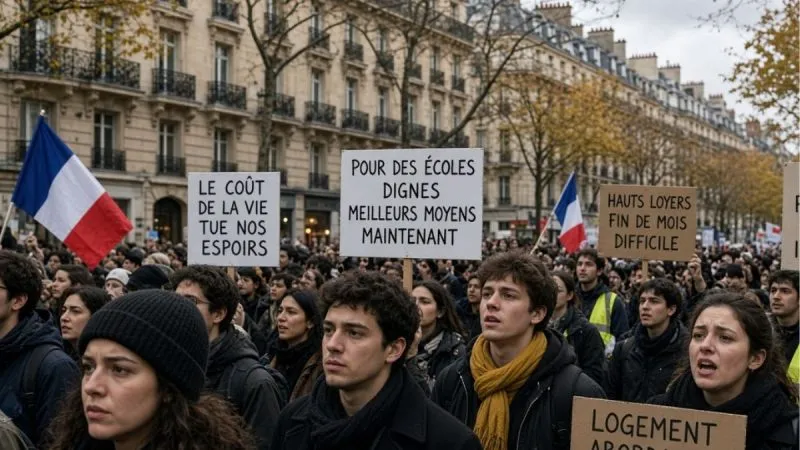
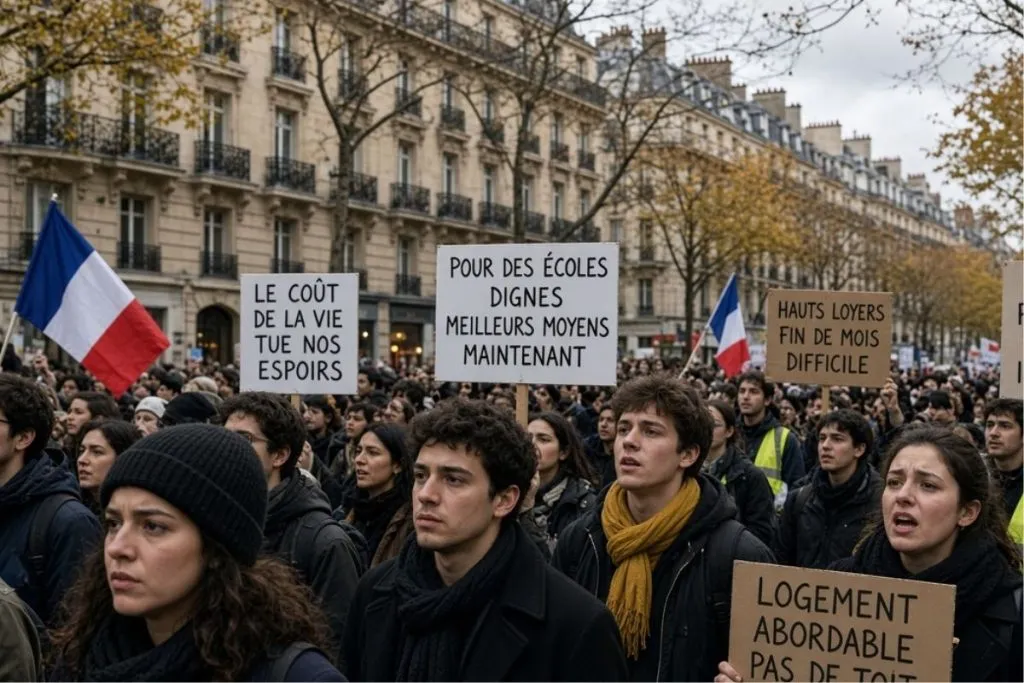
Paris is known for its vibrant civic life, which frequently involves public demonstrations and strikes (manifestations and grèves). While most protests are peaceful and localized, they can occasionally lead to clashes between demonstrators and police, resulting in property damage and temporary disruptions to transportation.
The French government and Parisian police are well-versed in managing these events, often redirecting traffic and closing specific Metro stations. For travelers, the main issue is usually inconvenience rather than danger.
Petty Crime: The Most Common Issue
The most significant and persistent safety issue facing tourists in Paris is petty crime, specifically pickpocketing and scams. These are highly prevalent in crowded tourist areas and on public transportation.Pickpockets often work in teams and use various distraction techniques.
Key Things to Know and How to Prepare
1. Staying Informed on Protests and Strikes
The situation with demonstrations can change quickly. Before and during your trip, monitor reliable news sources and official advisories.
- Official Advisories:Check your home country’s foreign travel advisories (e.g., the U.S. State Department or the UK Foreign Office) for specific warnings.
- Local Resources:Follow Parisian police (@prefpolice on X/Twitter) for real-time updates on planned demonstrations and traffic disruptions. The website of the RATP (the Parisian transport authority) will provide information on Metro and bus service changes.
- Avoi Demonstrations:If you encounter a protest, the best advice is to observe from a distance and move away from any area where tensions seem to be rising.
2. Protecting Yourself Against Petty Crime
A few simple precautions can dramatically reduce your risk of becoming a victim of theft.
- Secure Your Belongings:Use a money belt, a bag with locking zippers, or carry your valuables in inner, zipped pockets. Never keep your phone or wallet in your back pocket.
- Be Vigilant on Public Transit:Pickpockets often target crowded Metro lines, especially at stations near major tourist sites like the Eiffel Tower, the Louvre, and Sacré-Cœur. Keep a firm hand on your bag.
- Avoid Distractions:Be wary of strangers approaching you with unusual requests, such as signing a petition, offering to sell you “found” jewelry, or spilling something on you. These are often precursors to theft.
- Street Scams:Familiarize yourself with common Parisian scams, such as the “string trick” at Sacré-Cœur or the “three-card monte” game. A polite but firm “non, merci” and walking away is the best defense.
3. Terrorist Threats: A General Concern
France has experienced high-profile terrorist attacks in the past. Consequently, the national security alert system, Vigipirate, remains active. You will notice a visible security presence, including armed police and military personnel, near sensitive sites, government buildings, and transport hubs.
While the probability of being involved in a terrorist incident is statistically extremely small, it’s important to be aware of the environment and follow the guidance of local authorities.
A Deeper Look at Health and Environmental Considerations
Beyond public order and crime, your personal safety also involves health and environmental factors.
Air Quality Concerns
In recent years, like many major European cities, Paris has occasionally grappled with poor air quality during hot, still weather. These pollution spikes (pics de pollution) can cause respiratory irritation, especially for vulnerable individuals.
- Monitoring Air Quality:When booking or planning activities, check current air quality levels and forecasts. Services like Airparif provide reliable data.
- Preparing for Pollution:If a pollution spike occurs, consider reducing strenuous outdoor activities. If you have a pre-existing respiratory condition, speak with your doctor about precautions.
A well-composed shot of a tourist, clearly taking the city’s atmosphere, but also visibly securing a sling bag and aware of their surroundings near a known crowded area. The image should convey the balance of alertness and enjoyment required.
The Verdict: Safe or Not?
Yes, traveling to Paris right now is generally safe for travelers who exercise a standard level of caution. The City of Light remains as magical as ever, and with a bit of awareness and preparation, you can enjoy all it has to offer without worry.
By staying informed about the political and labor climate, taking common-sense precautions against pickpocketing, and remaining aware of your surroundings, you can focus on creating unforgettable memories in one of the world’s most beautiful cities.
Final Travel Tips for a Worry-Free Trip:
- Travel Insurance:Ensure you have adequate travel insurance that covers theft and medical emergencies.
- Emergency Numbers:Save France’s emergency numbers in your phone: 17 for police, 18 for fire, and 15 for ambulance (or use 112, the pan-European emergency number).
- Know the Neighborhoods:While Paris is safe overall, familiarize yourself with differentarrondissements. Some areas, particularly around major train stations like Gare du Nord and Gare de l’Est, require more vigilance, especially at night.
- Embrace the Parisian Vibe:Don’t let safety concerns dampen your spirit. Parisians are used to their dynamic city, and with a confident, alert demeanor, you will fit right in.
Prepare well, be aware, and enjoy your time in the spectacular capital of France.