10 Things to Do in Japan: Temples, Trains, Ramen and Vending Machines on Every Corner
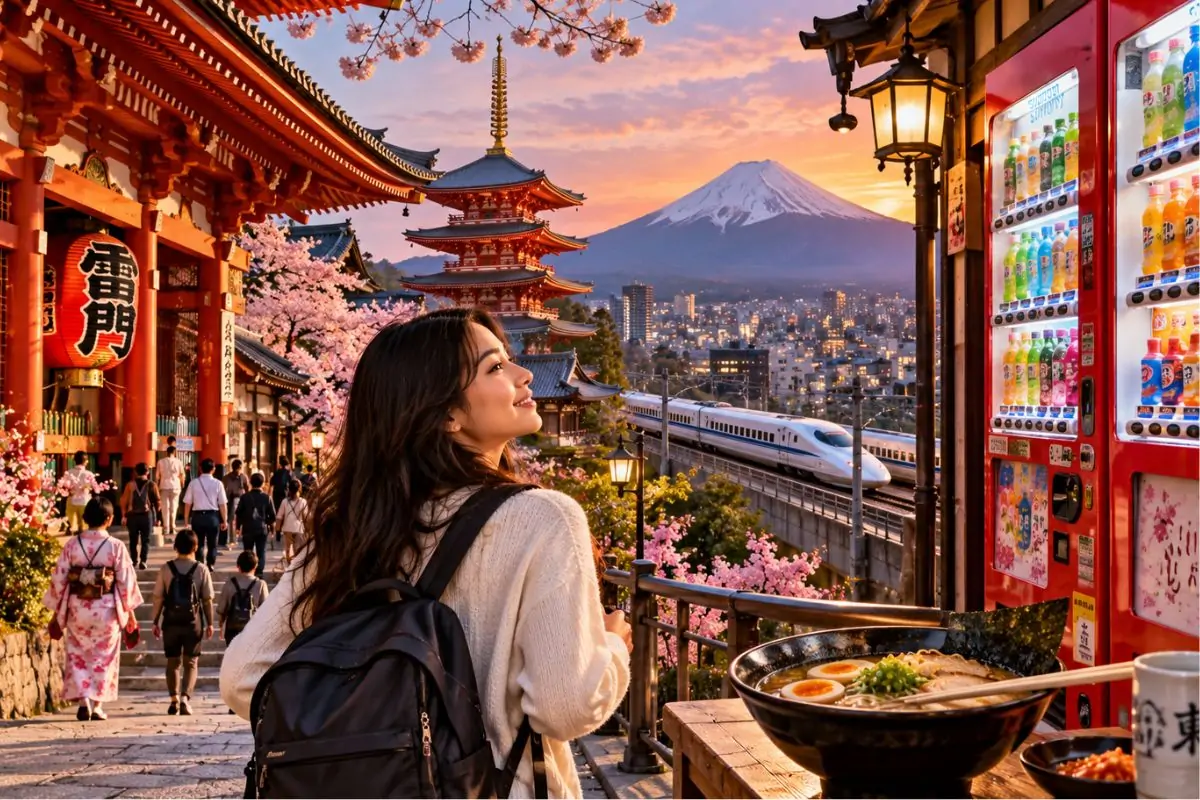
Japan is the country where a 600-year-old temple sits two streets from a neon arcade, where the train leavesexactlywhen the board says it will, and where you can buy a hot coffee from a machine at 2 a.m. and feel perfectly safe doing it. It’s orderly, quirky, deeply traditional and gleefully futuristic, often all in the same block.
If you’re planning your first visit, this guide covers the ten things most worth your time. For more destination ideas, browse theTravelsection and the10 Things To Doseries.
Table of Contents
1. Get Gloriously Lost in Tokyo
Tokyo isn’t one city so much as a collection of small ones stitched together by the world’s most efficient rail network. Spend a day in Shibuya for the famous crossing, another in Asakusa for Senso-ji temple and old-Tokyo charm, and an evening in Shinjuku, where lantern-lit alleys hide tiny bars that seat six people.
Tip:Get a rechargeable IC card (Suica or Pasmo, or the digital version on your phone) and tap through the entire city without fumbling for tickets.
2. Marvel at the Vending Machines
Yes, really. Japan is famous for its vending machines, which sell everything from hot canned coffee to umbrellas, and they appear in the most unlikely places, including quiet mountain roads. If you’re curious about the why behind it all, readJapan Has Millions of Vending Machines, and Crime Is Only Half the Reason.
Treat them as a cultural attraction. Try a mystery drink, grab a hot corn soup in winter, and keep small coins handy.
3. Spend Mornings in Kyoto’s Temples
Kyoto is where Japan slows down. Visit Fushimi Inari’s thousands of vermilion torii gates, wander the bamboo grove at Arashiyama, and see the golden pavilion of Kinkaku-ji. Go early, because by mid-morning the tour buses arrive.
The reward for waking up early is silence, and silence in Japan feels different. If you enjoy slow, contemplative travel, pair this stop with a bit ofsilent walkingand let the city set your pace. For more heritage-led trips, theCultural Traveltag is worth a browse.
4. Ride the Shinkansen (and Eat a Bento on It)
The bullet train isn’t just transport, it’s an experience. Smooth, quiet and punctual, it makes Tokyo to Kyoto feel like a short afternoon commute. Pick up anekiben(a station bento box) before boarding, find your seat, and eat with Mount Fuji sliding past the window if you’re lucky with the weather.
Tip:Sit on the right side when travelling from Tokyo towards Kyoto for a better chance of Fuji views.
5. Eat Ramen, Sushi and Everything in Between
Japan’s food scene runs from conveyor-belt sushi to Michelin-starred counters, and honestly, the cheap places are often fantastic. Slurp ramen at a ticket-machine joint, try okonomiyaki in Osaka, and snack your way through a morning market.
Speaking of ingredients, don’t overlook humble ones likeenoki mushrooms, the delicate Japanese mushroom you’ll spot in hot pots and soups everywhere. Food-driven trips are our favourite kind, so see more inTravel the World on a Plateand theFoodsection. If you’re coming from a Thailand trip, compare notes withEating Your Way Through Thailand.
6. Soak in an Onsen
Few experiences feel more quintessentially Japanese than a hot-spring bath. Onsen towns like Hakone, Kinosaki and Beppu are popular, and many ryokan (traditional inns) have their own baths.
Etiquette basics:
- Wash thoroughlybeforeentering the shared bath.
- Most baths are nude and separated by gender, so check the rules in advance.
- Tattoo policies vary, so look for tattoo-friendly or private-bath options if needed.
- Keep your small towel out of the water.
It’s the ultimate cure for sore feet. For more ways to look after yourself on the road, seeSelf-Care.
7. Meet the Deer in Nara
Nara is an easy day trip from Kyoto or Osaka, and its famous residents are the free-roaming deer that bow for biscuits. Buy the special deer crackers sold nearby, but hold on tight, because the deer are enthusiastic.
While you’re there, visit Todai-ji, home to a giant bronze Buddha inside one of the world’s largest wooden buildings. It’s small-town Japan at its most charming.
8. Hike, Cycle or Walk a Piece of the Countryside
Beyond the big cities, Japan opens up into mountains, coasts and forest trails. Walk part of the Kumano Kodo pilgrimage routes, cycle the Shimanami Kaido across island bridges, or take a gentle hike near Mount Fuji.
You don’t need to be an athlete. Even a half-day walk through a rural village reveals a different side of the country. If you’re drawn to active trips, theAdventuretag has plenty of inspiration.
9. Watch (or Re-watch) the Movie That Makes You Want to Visit
Before your trip, set the mood withPerfect Days(2023), a quiet film about a Tokyo toilet cleaner who finds beauty in routine. Ourfull plot summary with spoilerscovers why it’s trending and where to watch.
Afterwards, you may find yourself noticing the small things: the light through trees, a good cup of coffee, the kindness of strangers. That’s the real Japan, and it’s free.
10. Travel Solo, Because It’s Remarkably Easy Here
Japan is one of the friendliest countries for solo travellers, especially women. Single-seat restaurants are normal, public transport is reliable, and the culture of politeness makes the whole experience feel calm. Pack comfortable shoes, download an offline translation app, and trust your curiosity.
Looking for more tips and perspectives? TheSolo Travelsection is a great place to start, and theTravel Guidecollection helps with planning.
Practical Tips for First-Time Visitors
- Best time to go:Spring (cherry blossoms, roughly late March to April) and autumn (foliage, roughly October to November) are the most popular. Both get crowded, so book early.
- Cash still matters:Many small restaurants and shops prefer cash, though cards are increasingly accepted. Keep some yen on you.
- Be quiet on public transport:Phone calls on trains are generally frowned upon.
- Trash is scarce:Public bins are rare, so carry a small bag and take your rubbish with you.
- Don’t tip:It’s not customary and can cause confusion.
- Check entry rules:Visa requirements and tourism policies change, so confirm details on the official Japanese embassy or government website before you book.
Final Thoughts
Japan rewards curiosity. The big sights are wonderful, but the real magic is in the in-between moments: the quiet temple garden, the perfect bowl of noodles, the stranger who walks you to your destination instead of just pointing.
If this trip is on your wish list, start planning now. And if you’re still deciding where to go next, why not try thetop 10 things to do in South Koreaor discover theworld’s best airport loungesto make the journey itself part of the holiday?
FAQ
How many days do you need in Japan for a first trip?
Around 10 to 14 days lets you cover Tokyo, Kyoto and at least one or two day trips without rushing.
Is Japan expensive to visit?
It can be affordable if you eat at local restaurants, use rail passes wisely and stay in business hotels or hostels. Costs rise quickly with luxury stays and fine dining.
Is Japan safe for solo female travellers?
It’s widely regarded as one of the safer destinations, but normal precautions still apply: stay aware of your surroundings and keep valuables secure.
Do I need to speak Japanese?
No. Signs in major cities often include English, and translation apps help. A few polite phrases, likearigatou(thank you) andsumimasen(excuse me), go a long way.