10 Things to Do in Italy: Pasta, Piazzas and Pretending You Live There
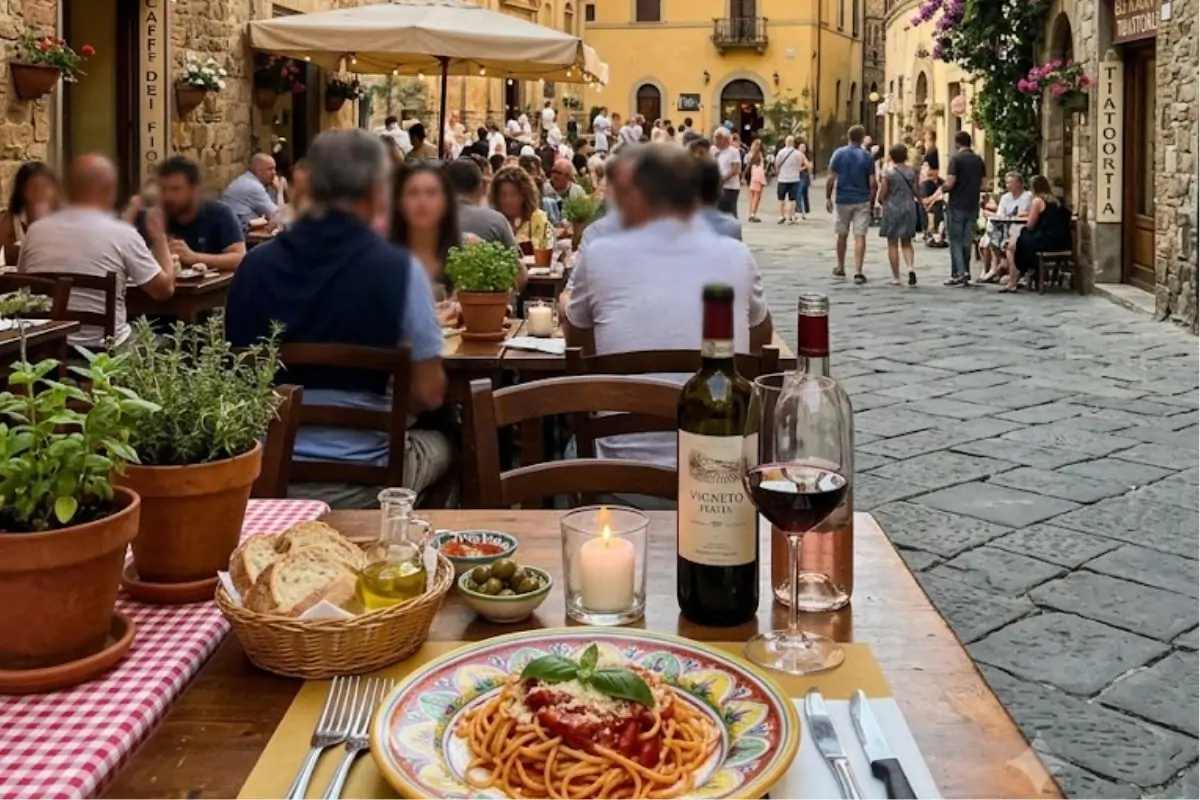
Italy is the country where strangers will argue passionately about the correct way to make carbonara, where a two-thousand-year-old wall is justtherebeside the bus stop, and where “a quick coffee” takes eleven seconds standing at a bar and costs less than your parking back home. It’s loud, gorgeous, chaotic and unapologetically in love with itself, and honestly, we respect that.
Whether you’re a honeymooner, a solo wanderer or a woman who just wants to eat something wonderful beside a fountain, here are ten things worth building a trip around. For more destination inspiration, browse theTravelhub, theEuropetag and the10 Things To Doseries.
1. Walk Through Two Thousand Years of Rome
Rome doesn’t have a “historic centre” so much as a historiceverything. Start with the Colosseum and the Roman Forum, throw a coin into the Trevi Fountain (tradition says it guarantees your return), and then spend an afternoon getting lost in the cobbled lanes of Trastevere.
Tips:
- Book Colosseum and Vatican tickets online in advance. The queues are brutal in high season.
- Carry a refillable bottle. Rome’s public drinking fountains (nasoni) give free, cold, drinkable water.
- Wear comfortable shoes. Cobblestones are charming and they hate ankles.
If you love how old places tell new stories, theHistorysection is a good rabbit hole, andToday in Historyis a fun daily dose.
2. Eat Like You Mean It (and Like Nobody’s Counting)
Italian food isn’t one cuisine, it’s twenty regional ones with strong opinions. Cacio e pepe in Rome. Pesto in Liguria. Risotto in Milan. Seafood in Sicily. A slice of pizza folded in half and eaten walking down a street in Naples, the way the gods intended.
Eating rules worth knowing:
- Cappuccino is a morning drink. Order one at 6 p.m. and you may earn a raised eyebrow.
- Skip tourist-trap restaurants with photo menus right beside major sights. Walk two streets away and look for short, handwritten menus.
- Try aperitivo, the early-evening ritual of a drink plus snacks, as a cheap, delicious dinner-lite.
- Acoperto(cover charge) is normal and not a scam.
Feast culture is something Italy shares with other great food nations. If you love the idea of a table groaning under dishes, read aboutthe Georgian Supra, where the table disappears under the foodandKashmir’s 36-course Wazwan. Dumpling devotees will also enjoyGeorgia’s juicy khinkali, and anyone planning a food-led trip should start withEating Your Way Through Thailand. More plates await inTravel the World on a Plateand theFoodsection. For a sweet finish, browseDessertrecipes, and vegetarians can exploreVeganideas, because Italy’s vegetable-forward dishes are underrated.
3. Get Lost in Florence’s Art, Then Climb Something
Florence is basically a Renaissance museum with excellent gelato. See Michelangelo’sDavidat the Accademia, wander the Uffizi, cross the Ponte Vecchio, and then earn your dinner by climbing to Piazzale Michelangelo for a sunset that makes everyone go quiet.
Pre-book the big museums, and visit early or late to dodge the crowds. If museums leave you with sore feet, take a long lunch in the Oltrarno district, where artisans still make leather, paper and jewellery by hand.
Speaking of craft, if you love handmade heritage, you’ll appreciate stories likePabiben Rabari, who turned a ban on embroidery into a livelihood for 300 women. It’s the same spirit, a different continent.
4. Float Through Venice (Before You Judge It)
Venice is crowded, it’s expensive, and it’s still astonishing. Walk the quiet back lanes of Dorsoduro and Cannaregio, take a vaporetto (water bus) down the Grand Canal, and wake early to see St. Mark’s Square before the day-trippers arrive.
Tips:
- Stay overnight if you can. Venice after the day crowds leave is a different city.
- Check current rules for day-visitor fees and entry arrangements, since they have changed in recent years.
- Skip the gondola if the price makes you wince and take the cheap two-minutetraghettoferry across the canal for the same experience, minus the guilt.
For another place where geography gets gloriously messy, read aboutBaarle, the town so tangled between two countries that houses have two addresses.
5. Cling to a Cliff on the Amalfi Coast
This is the Italy of postcards: pastel villages stacked above impossibly blue water, lemon groves, winding roads and terraces made for aperol spritzes. Base yourself in Positano, Amalfi or Ravello, take ferries between towns, and eat anything with local lemons.
Practical advice:
- Summer is gorgeous and packed. Spring and early autumn are calmer.
- The coastal road is narrow and nerve-wracking. Ferries or buses are far less stressful than driving.
- Pack shoes you can climb stairs in. There arelotsof stairs.
If your tastes run luxurious, this stretch is where the glamorous set holidays, which makes it a good moment to peek at10 places the ultra-rich actually liveandwhat life looks like inside the world of the ultra-wealthy. TheLuxurysection has more daydream material.
6. Time-Travel at Pompeii
A short trip from Naples, Pompeii preserves a Roman town frozen by the eruption of Mount Vesuvius in 79 AD. Streets, shops, homes and even graffiti survive, and you can feel the weight of the place as you walk through it.
Tips:
- Go early, bring water and a hat, and wear sturdy shoes. There’s little shade.
- Consider a guide or an audio guide, because the site is huge and the context makes it come alive.
- Pair it with a hike up Vesuvius if you have the energy.
If natural disasters that changed the world fascinate you, readThe Year Without a Summer (1816): How a Volcano Chilled the World. Volcanoes, it turns out, have serious range.
7. Sip Your Way Through Tuscany
Rolling hills, cypress-lined roads, hilltop towns and vineyards that look photoshopped (they’re not). Rent a car or join a small-group tour, and explore towns like Siena, San Gimignano, Montepulciano and Pienza. Stop at a family-run winery for a tasting and ask for a pairing with local cheese and olive oil.
If you’re driving, avoid restricted traffic zones (calledZTL) in historic centres. They’re marked, they’re enforced by cameras, and the fines arrive months after you’ve forgotten the trip. If you drive, look into the rules before you go.
For slow-travel lovers, this is peak “put the phone down and look at a hill” territory. Add a littlesilent walkingamong the vines and call it wellness.
8. Hike or Hop Around Cinque Terre
Five colourful fishing villages cling to the Ligurian coast, linked by walking trails, trains and boats. Hike between villages for ocean views, swim off the rocks and eat fresh seafood by the harbour.
Tips:
- Check which trails are open, since landslides and maintenance sometimes close sections.
- Use the local train for easy village-to-village hops.
- Go early or stay overnight to enjoy the villages after the day crowds depart.
If you like adventure with your scenery, theAdventuretag has more trails and thrills, and if you enjoy dramatic landscapes, take a look atChina’s Floating Mountains.
9. Shop Like a Local (and Dress Like You Belong)
Italy is style royalty. You’ll see effortlessly chic people everywhere, even picking up groceries. You don’t need a designer budget to join them. Focus on good basics, natural fabrics, comfortable shoes and one standout accessory.
Brush up on10 jewellery styling rules that instantly make an outfit look more expensiveand avoid the10 handbag styling mistakes that can ruin an otherwise great outfit. If you care about the planet, browsesustainable fashionand the widerFashionandStylesections.
Local souvenirs worth buying include leather goods in Florence, glass in Murano, paper and ceramics in smaller towns, and food items like olive oil and pasta. Careful, though: leather and designer “bargains” from street sellers are often fake, so buy from reputable shops. For a lesson in why that “too good to be true” feeling matters, read aboutthe con man who sold the Eiffel Tower, twice.
10. Hunt for a Hidden-Gem Town
Everyone queues for Rome, Florence and Venice. The magic often hides elsewhere: Lecce in Puglia, Matera with its ancient cave dwellings, Bologna’s porticoes and legendary food, Lucca’s city walls you can cycle along, or the Dolomites for alpine peaks and cosy mountain huts.
Slow down, pick a smaller place and stay a couple of nights. You’ll eat better, spend less and meet people who don’t have a “tourist face.” If you’re travelling alone, small towns are friendly, walkable and calm, and you can pick up more ideas in theSolo Travelsection and our guide tosolo travel for women.
Practical Tips for First-Timers
- Best time to visit:Spring (April to June) and early autumn (September to October) offer lovely weather and smaller crowds than peak summer. Check local events and holidays before booking.
- Getting around:Italy’s high-speed trains connect major cities quickly. Book ahead for better fares and use regional trains for smaller towns.
- Validate your regional train ticket:If your ticket needs validating before boarding, do it. Fines for forgetting can be steep.
- Money:Cards are widely accepted, but carry some cash for small cafés and markets.
- Etiquette:Dress modestly for churches (covered shoulders and knees), greet shopkeepers withbuongiorno, and don’t expect dinner before 7:30 or 8 p.m.
- Scams and pickpockets:Busy tourist areas and public transport attract pickpockets. Keep valuables close and be wary of overly friendly strangers offering “free” bracelets or help at ticket machines.
- Visa and entry rules:These can change, so check official embassy or government websites before you book.
- Health and comfort:Pack for walking, sun and blisters. If you want travel-friendly care tips, seeSelf-CareandWomen’s Health.
A Sample 10-Day Route (Steal It)
- Days 1 to 3:Rome, with a day trip to Pompeii or Ostia Antica
- Days 4 to 5:Florence, plus a Tuscany day trip
- Days 6 to 7:Venice, staying overnight if possible
- Days 8 to 10:Amalfi Coast or Cinque Terre, whichever calls louder
Planning more than a week? Add Bologna for food and Matera for something unforgettable, and useItaly’s Dolomitesfor a mountain finale if you love hiking.
Fly in Style, Arrive Rested
Long-haul flights are easier when your layover isn’t a gate-side nightmare. Browse thetop 10 best airport lounges in the worldfor a little pre-trip pampering. And if your Italian daydreams include a Ferrari or a Lamborghini, indulge yourself withthe most expensive luxury cars in the world, cars that cost more than mansions. Italy is, after all, their spiritual home.
The Last Word
Italy rewards the traveller who slows down. The queue for the famous thing is long, but the best moment of your trip may be a plate of pasta in a side street, an unplanned conversation at a bar, or a sunset from a stranger’s recommended hilltop.
So book the flight, pack the comfortable shoes and make peace with the fact that you will eat too much and regret nothing.
Want to share your own Italian adventure?Get featuredorwrite a guest postfor Real Shee Power. Got travel questions?Ask Shakti.
FAQ
How many days do you need in Italy for a first trip?
Ten to fourteen days lets you see Rome, Florence and Venice plus one coastal or countryside stop without rushing.
What is the best time to visit Italy?
Spring and early autumn usually offer pleasant weather and fewer crowds than July and August. Winter suits city breaks and skiing in the Alps.
Is Italy expensive to visit?
Big-city hotels and popular attractions can be costly, but you can save by eating at local trattorias, using regional trains and staying in smaller towns. Costs vary by season.
Is Italy safe for solo female travellers?
Italy is generally a popular destination for solo women, but standard precautions apply: watch for pickpockets in crowded areas, plan late-night transport and check current travel advisories before you go.
Do I need to speak Italian?
No. English is common in tourist areas, but a few polite phrases likegrazie(thank you) andper favore(please) are appreciated.