11 Beauty Products You Probably Don’t Need, No Matter What TikTok Says
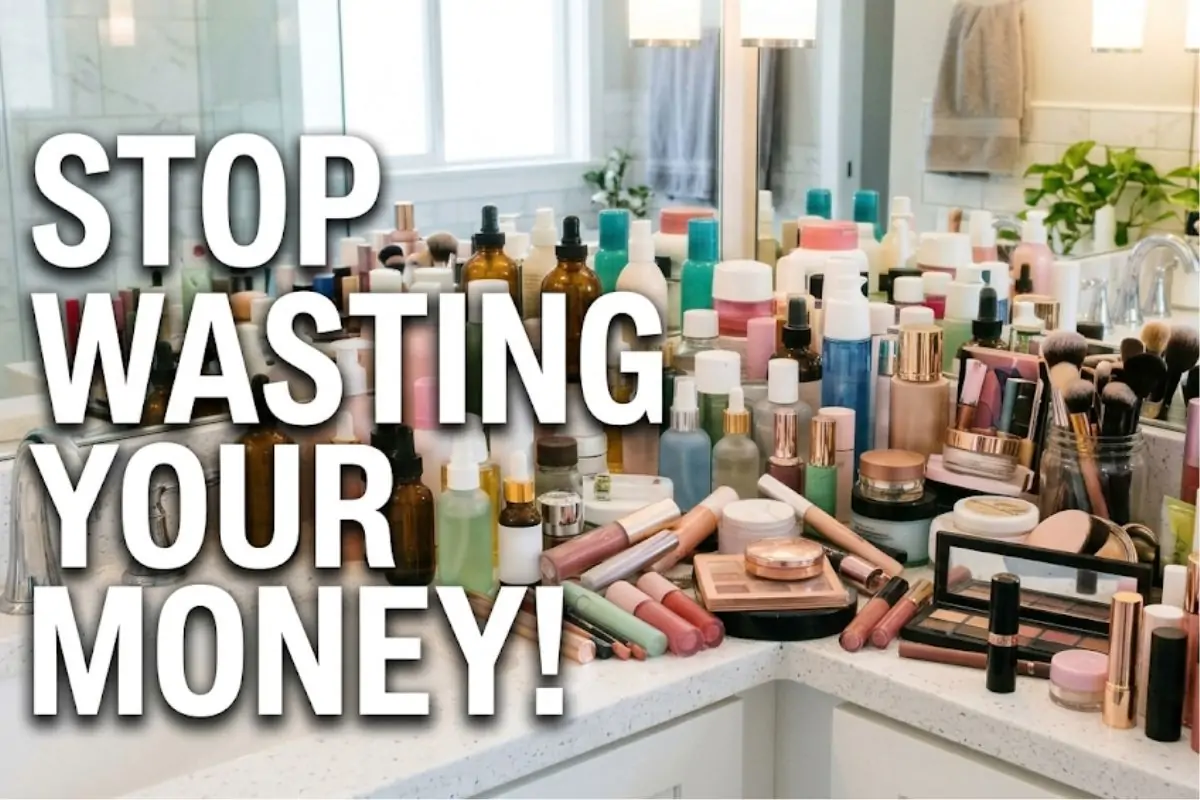
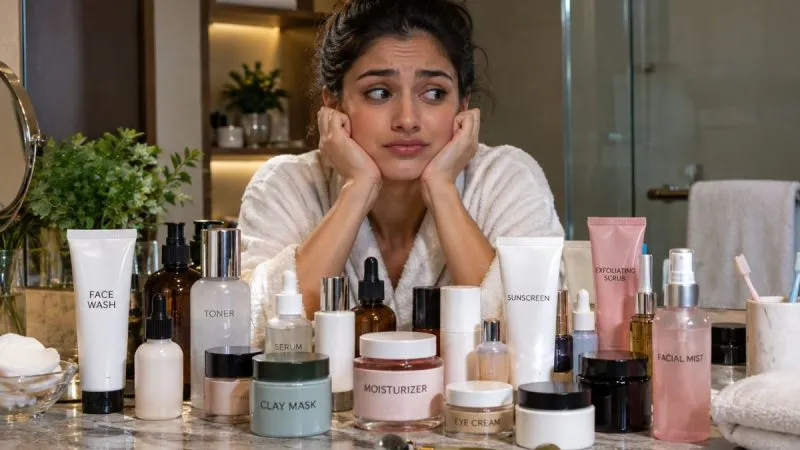
Somewhere between your morning skincare routine and your evening scroll, the internet has convinced you that your face needs 14 serums, three exfoliants, a special cream for every square centimetre, and a mysterious product that apparently changed a stranger’s life in six days.
Your bathroom shelf looks like a beauty laboratory. Your bank account looks concerned.
And somehow, despite owning enough skincare to open a small pharmacy, you are still being told that your routine is incomplete.
Let’s have a little chat about beauty products you can probably skip, save money on, or buy only if they genuinely suit your needs.
1. A Separate Cream for Every Part of Your Face
Eye cream. Neck cream. Décolletage cream. Forehead cream, presumably coming soon.
Some products are formulated for specific concerns, and a good eye cream can be useful if you enjoy its texture or need targeted ingredients. But you do not automatically need a different moisturiser for every area of your body.
A well-formulated facial moisturiser may work perfectly well around the eyes if its label says it is suitable for that area and it does not irritate you.
The sensible approach:Build a basic routine first. Buy specialised products when they solve a real problem, not because a marketing campaign has discovered another body part.
2. A 10-Step Skincare Routine
Your skin barrier is not an ambitious employee who needs ten tasks before it can perform.
For many people, a routine built around cleansing, moisturising, and sun protection is a perfectly reasonable starting point. Additional products can help with specific concerns, but more steps do not automatically produce better skin.
Using too many active ingredients can cause irritation, dryness, or redness. Layering several exfoliating products because a beauty influencer does it is not a shortcut to glowing skin.
The sensible approach:Introduce products gradually, give them time to work, and stop using anything that consistently irritates your skin.
3. Expensive Face Mists That Mostly Make You Feel Luxurious
There is something delightful about spraying a fine mist over your face on a hot afternoon. It feels refreshing, looks glamorous, and briefly makes you feel like a woman in a luxury skincare advertisement.
But a face mist is not automatically a treatment for dehydration, ageing, or dullness.
Depending on its ingredients, it may offer temporary hydration or soothing benefits. A basic water mist, however, cannot replace moisturiser, and fragrance-heavy formulas may irritate sensitive skin.
The sensible approach:Buy one if you genuinely enjoy using it. Just do not mistake a refreshing sensation for a dramatic skincare transformation.
4. Pore-Minimising Products That Promise to Make Pores Disappear
Pores are normal skin structures. They help release oil and are part of how your skin functions.
Their appearance can vary with genetics, oil production, congestion, and age. Some ingredients, including salicylic acid and retinoids, may help improve the appearance of pores for certain people, but no cream can permanently erase them.
If a product promises completely invisible pores, it is selling you a fantasy with excellent packaging.
The sensible approach:Look for realistic improvements in congestion and texture rather than chasing skin that looks like a digitally blurred photograph.
5. Expensive Lip Scrubs
A sugar-based lip scrub can feel satisfying, especially when your lips are flaky. But aggressively rubbing delicate lip skin can make irritation and cracking worse.
You generally do not need an expensive jar of flavoured sugar to maintain comfortable lips.
A gentle, fragrance-free lip balm and avoiding repeated licking or picking may be more useful for everyday care.
The sensible approach:If your lips are dry, focus on protecting them rather than scrubbing them into submission. Persistent cracking, inflammation, or sores may need medical advice.
6. Separate Day and Night Creams Just Because the Labels Say So
A morning cream and an evening cream can have different purposes. For example, one may contain sun protection while another contains ingredients intended for overnight use.
But the wordsdayandnightdo not automatically make a formula superior.
A moisturiser that suits your skin may work at both times, provided you use appropriate sun protection during the day and avoid ingredients that are unsuitable for your particular needs.
The sensible approach:Read the ingredients and understand the purpose of each product. Packaging is not a skincare strategy.
7. Beauty Supplements Promising Perfect Skin, Hair, and Nails
The supplement aisle is full of glamorous promises. Longer hair! Stronger nails! Glowing skin! All apparently available in a convenient bottle.
The reality is less exciting. Supplements can be useful when you have a nutritional deficiency or a specific medical need, but they are not guaranteed beauty upgrades for everyone.
Taking unnecessary supplements can also carry risks. Excess amounts of certain nutrients can cause harm, and biotin supplements may interfere with some laboratory tests.
The sensible approach:Address persistent hair loss, brittle nails, or skin changes by investigating the cause rather than automatically buying another supplement. Speak with a qualified healthcare professional when appropriate.
8. Every New Exfoliating Acid on the Internet
Glycolic acid, lactic acid, salicylic acid, and other exfoliating ingredients can help with particular skin concerns. The problem begins when your routine becomes a chemistry experiment.
Using multiple exfoliants too frequently can damage the skin barrier, leaving skin irritated, tight, flaky, or unusually sensitive.
You do not need to use every trending ingredient simply because it exists.
The sensible approach:Choose an ingredient based on your skin concern, introduce it slowly, and avoid combining strong products without understanding how they interact. Sensitive skin may need a gentler routine altogether.
9. Luxury Cleansers That Disappear Down the Drain
A beautifully packaged cleanser can make your bathroom feel like a spa. But cleanser is a rinse-off product, and an expensive price tag does not automatically mean better results.
What matters is whether it cleans your skin effectively without leaving it uncomfortably dry or irritated.
If an affordable cleanser suits your skin, there is no universal reason to replace it with a luxury version simply because somebody online calls it a game changer.
The sensible approach:Spend according to your priorities. If you have a limited beauty budget, consider putting more thought into products that remain on your skin, such as moisturisers or targeted treatments.
10. Hair Oils That Promise Miracles Overnight
Hair oiling can make hair feel softer, improve lubrication, and reduce friction or breakage for some hair types. Certain oils may be useful as pre-wash treatments.
But oil cannot magically repair every form of damage, reverse every cause of hair loss, or guarantee spectacular growth in a week.
Scalp conditions, genetics, nutritional deficiencies, hormonal changes, and hair-care practices can all influence hair health.
The sensible approach:Choose an oil based on your hair type and scalp needs. If you are experiencing persistent or sudden hair loss, seek professional advice instead of relying entirely on viral remedies.
11. Products You Bought Because Someone Said They Were “Life-Changing”
This is the most expensive category of all.
The serum that transformed an influencer’s skin. The hair mask that supposedly replaced an entire salon. The viral blush that sold out before you had time to question whether you even liked the colour.
Influencers can offer useful recommendations, but their skin, hair, budget, preferences, lighting, and editing may differ considerably from yours. Some also receive payment, free products, or affiliate commissions.
A product can be excellent and still be completely wrong for you.
The sensible approach:Before purchasing, ask three questions: What problem am I trying to solve? Do I already own something that does the same job? Can I afford this without regretting it tomorrow?
If the answers are unclear, leave it in the cart for a day.
Your future self may thank you.
The Final Word: Your Bathroom Doesn’t Need to Be a Department Store
Beauty should be enjoyable, not an endless attempt to correct imaginary flaws.
There is nothing wrong with loving luxury skincare, collecting lipsticks, experimenting with new ingredients, or spending money on products that make you happy. The point is not to buy less at all costs. It is to buy with intention.
A good beauty routine should fit your skin, your lifestyle, and your budget. It should not leave you feeling inadequate because you have failed to purchase the latest miracle in a glass bottle.
Start with what works. Add products when there is a genuine reason. Give your skin time to respond, and remember that healthy skin is not supposed to look like a filter.
And the next time an influencer announces that you absolutely must own a new product?
Take a breath. Check your bathroom shelf.
You may already own the solution.
The most underrated beauty purchase might just be the product you don’t buy.