Women’s Safety Tips for Solo Trips in India: The Sassy, Sensible Guide
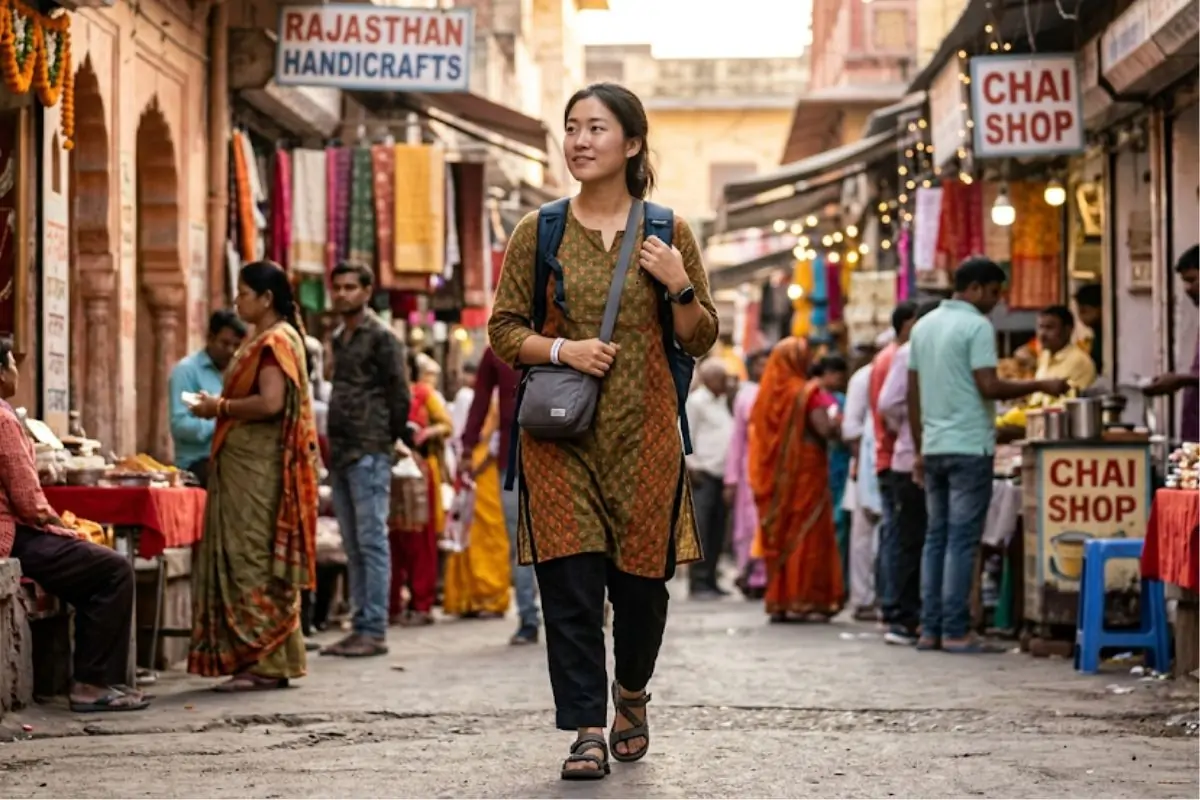
Let’s open with the sentence every woman who announces a solo trip has heard:“Alone? In India? Is it safe?”
Said with a gasp, a hand on the chest, and a relative who has never left their district but hasstrong views on the matter.
Here’s the honest answer, minus the drama. Millions of women travel alone across India, and many come home with the best stories of their lives. Others have bad experiences. India is large, diverse and wildly uneven, so safety depends onwhereyou go,whenyou go,howyou plan and a good measure of luck. You can’t control the last one, but you can stack the odds heavily in your favour with the other three.
This guide isn’t about scaring you into staying home. It’s about helping you travel smart, confident and prepared. Browse the fullSolo Travelsection and theTravelhub for more, and if you’re still deciding whether to book, read our10 bold reasons for solo travelfirst.
Table of Contents
Part 1: Mindset Before Mileage
1. Prepare, don’t panic
Fear is information, not a verdict. Use it to plan, not to cancel. A woman who has researched her route, booked her first night and told someone her itinerary is far safer than one who “will figure it out when she lands.”
2. Trust your gut like it’s a paid advisor
That prickle on your neck, that “something feels off” sensation, is not paranoia. It’s pattern recognition. History offers a great example:Stanislav Petrov trusted his gut over the machine, and the world was better for it. If a person, taxi, room or situation makes you uneasy, leave. You don’t owe anyone politeness at the cost of your safety.
3. Drop the “I don’t want to be rude” habit
Say “no” firmly. Walk away without explaining. Women are trained to be accommodating, and strangers sometimes exploit that. Women who’ve learned to say no without a speech are the same ones in10 things emotionally mature women no longer explain to anyone. Be one of them.
Part 2: Choosing Where to Go
Not all destinations are equal for a first solo trip. Start with places that have established tourist infrastructure, plenty of other travellers and decent connectivity, then build confidence and go further.
Often recommended starter regions(always check current conditions):
- Kerala: backwaters, beaches, well-run homestays and a strong tourism industry
- Himachal PradeshandUttarakhand: popular mountain towns with an active traveller community
- Chikmagalur: coffee plantations and misty hills, a gentle introduction
- Assam: tea gardens, wildlife and a rich culture for travellers who want something different
- Big-city hubslikeDelhi NCR,BengaluruandHyderabad, good for events, food and easy transport links. CheckEventsand theMumbai weekend guidefor ideas.
Tip:Read recent traveller reviews, especially from women, for any destination. A place that was great three years ago may have changed.
Part 3: The Stay: Where You Sleep Matters
4. Book your first night before you land
Arriving in an unfamiliar place with no booking is a rookie error. Reserve at least the first night’s accommodation and confirm it by phone or message.
5. Read reviews like a detective
Search for reviews that mention safety, host behaviour, lighting, locks and location. Look specifically for women’s reviews. Photos help, but written comments reveal more.
6. Prefer well-reviewed homestays, women-run guesthouses and reputable hostels
Many travellers find women-only dorms or women-run homestays more comfortable, and they’re often cheaper than hotels. Stay where staff are visible, reachable and responsive.
7. Check the locks and exits
Test the door lock, window latches and any connecting doors. Carry a portable door lock or doorstop as an extra measure. Know where the exits are.
8. Don’t announce you’re alone
If someone asks whether you’re travelling with anyone, “My friend is joining me later” is a perfectly good answer. You don’t owe strangers your travel status.
Part 4: Getting Around
9. Use trusted transport
Use ride-hailing apps or pre-paid taxi counters at airports and stations. Check the vehicle number and driver details before getting in, and share your trip details with someone. Avoid unmarked cabs.
10. Choose your train and bus seats wisely
Many long-distance trains have women’s quotas and women’s coaches, and some cities have women-only compartments on metros and local trains. On overnight journeys, a lower or side berth near other families can feel more comfortable. For night buses, check the operator’s reputation.
11. Avoid arriving in a new place late at night
Plan flights, trains and buses so you reach your destination in daylight. If you must arrive late, arrange a pickup through your hotel or a trusted app in advance.
12. Keep your phone charged and a power bank handy
A dead phone is a navigation, communication and safety problem. Carry a power bank and download offline maps.
13. Share your live location
Send your itinerary to a family member or friend and share your live location during transit. A quick “reached safely” message becomes a habit that matters.
Part 5: Street Smarts
14. Dress for the place, not for the opinions
You should be able to wear what you like anywhere. The real world, however, includes local norms, and in some places conservative dress reduces unwanted attention and makes temples, villages and religious sites easier to enter. Light, loose, full-coverage clothes also suit heat, sun and mosquitoes. A scarf or dupatta is your multitasking hero.
This isn’t about blaming anyone, it’s about tactics. A comfortableethnic wardrobeis practical for travel, and handmade fabrics likeauthentic Lucknowi chikankariare breathable and beautiful. If you care about ethical shopping, browsesustainable fashion.
15. Be careful with scams
Common ones include overly friendly “guides,” inflated taxi fares, fake ticket sellers, “closed attraction” stories and strangers who insist on helping with ATMs. If someone approaches you too eagerly, slow down and walk away. For a masterclass in why “too good to be true” deserves suspicion, read aboutVictor Lustig, the con man who sold the Eiffel Tower, twice.
16. Handle unwanted attention calmly
Many women report staring, comments or persistent conversation. A confident walk, sunglasses and a polite but firm “no” go a long way. Ignore, move to a busier spot or step into a shop or café. If someone touches you or crosses a line, speak loudly, draw attention and report it.
17. Keep valuables spread out
Divide cash and cards between bags, keep copies of documents (digital and paper) separate, and avoid flashing expensive jewellery or phones in crowded places. A cross-body bag with a zip beats a casual shoulder bag in crowds. If you’re curious about travel-friendly accessories,jewellery styling rulesandhandbag styling mistakesare worth a skim.
18. Limit alcohol and guard your drink
Boring advice, still relevant. Never accept drinks or food from strangers you don’t trust, and don’t leave your glass unattended.
Part 6: Emergency Prep
19. Save the numbers before you need them
Save these in your phone and write them on paper too. Confirm the latest numbers before travelling, since services change:
- 112: national emergency number
- 1091: women’s helpline (availability varies by state)
- 1363: tourist helpline run by the Ministry of Tourism, a multilingual service for travellers
- Your embassy or consulate, if you’re an international visitor
- Your accommodation’s number and a trusted contact
Many states also have their own helplines and police apps, so look up the ones for each destination.
20. Carry a basic safety kit
A whistle or personal alarm, a small torch, a portable door lock, a power bank and a card with emergency contacts. Some women carry pepper spray, but rules on carrying it vary, so check what’s legal and sensible for you before packing it.
21. Learn a few local phrases
“Help,” “stop,” “leave me alone” and “call the police” in the local language can be extremely useful. A translation app helps, but memorising these is faster.
22. Know where the nearest hospital is
Add the closest hospital or clinic to your map before you need it. If you’re travelling with ongoing conditions, carry prescriptions and key medicines.
Part 7: Health, Comfort and Sanity
23. Pack period and hygiene essentials
Toilets can be basic in some areas, so carry tissues, sanitiser, spare underwear, disposable bags and your preferred period products. Cycles can also change with travel and stress. OurPeriod,HygieneandWomen’s Healthsections cover this well.
24. Look after your head, not just your bag
Solo travel can feel exhilarating and lonely in the same afternoon. That’s normal. Build in rest days, eat properly and check in with yourself. If you’re travelling on empty, read11 signs you are mentally exhausted, even when you look fineand the35 signs of burnout. BrowseMental HealthandStress Managementfor support, and add somesilent walkingto a slow morning.
25. Remember: you can change your plan at any time
Booked a stay that feels wrong? Leave. Planned a trek you no longer feel good about? Skip it. A cancelled booking is cheaper than an ignored instinct. Flexibility is a safety feature.
A Reality Check (Because We Respect You)
No checklist guarantees safety. Some places in India have genuine concerns about harassment and violence against women, and pretending otherwise would be dishonest. If you want to understand the wider context, read our coverage underCrime Against Women. Awareness isn’t a reason to stop living, it’s a reason to travel with open eyes.
It’s also worth remembering that the vast majority of strangers you meet will be kind: the chai-seller who guards your bag while you find change, the family on the train who feeds you, the shopkeeper who points you the right way. Staying alertandopen is a skill, and you’ll develop it.
Women Who Went Anyway
Courage is contagious. Read aboutAir Vice Marshal Shakti Sharma, who scripted history as the highest-ranking woman officer in India’s armed forces, andPabiben Rabari, who turned a ban on embroidery into a livelihood for 300 women. Browse theWomen Change Makershub for more women who didn’t wait for permission.
For a little irony, there’s alsoShani Shingnapur, the Indian village where no house has a door, proof that India’s travel stories are never boring.
A Smart Packing List for Safety and Sanity
- Phone, charger and power bank
- Printed and digital copies of ID, bookings and insurance
- Portable door lock or doorstop
- Whistle or personal alarm
- Scarf or dupatta
- Comfortable walking shoes
- Small first-aid kit and regular medicines
- Period and hygiene essentials
- Reusable water bottle and snacks
- Notebook, because you’ll want to remember this
For more practical tricks, see25 classy and sassy life hacks every woman should know. Smart travellers also keep their money situation tidy, so skim9 things you should stop buying if you want to build wealthbefore booking.
The Last Word
Solo travel in India isn’t reckless, and it isn’t a dare. It’s a skill set: research, instinct, flexibility and a healthy refusal to be talked out of your own plans.
Book the first night. Share your location. Carry the whistle. Trust the weird feeling. Then go and drink chai on a hillside at sunrise, ride the train with strangers who become friends and come home with a spine that’s a few inches taller.
You don’t need permission. You need a plan, and now you have one.
Want to share your own solo journey?Get featuredorwrite a guest postfor Real Shee Power, and help the next woman pack her bag. Got a question that needs straight talk?Ask Shakti.
FAQ
Is India safe for solo female travellers?
Many women travel alone in India successfully, but experiences vary by region, season and circumstances. Preparation, research, trusted accommodation and awareness greatly improve safety. Check current travel advisories before you go.
Which places in India are good for a first solo trip?
Popular starter choices include Kerala, Himachal Pradesh, Uttarakhand, Chikmagalur and well-connected cities. Look for places with established tourism, good transport and positive recent reviews from women.
What should a woman wear when travelling alone in India?
Comfortable, light, modest clothing suits most situations, especially in smaller towns and religious sites. Carry a scarf or dupatta for flexibility. Dress choices are personal, but matching local norms can reduce unwanted attention.
What are the emergency numbers in India?
112 is the national emergency number, 1091 is commonly listed as the women’s helpline, and 1363 is the Ministry of Tourism’s tourist helpline. Numbers and availability can change, so verify them before your trip.
Should I take overnight trains or buses alone?
Many women do, and it can be a fine experience. Choose reputable operators, pick seats carefully, keep valuables close and share your journey details. If something feels wrong, change your seat or speak to staff.
How can I avoid scams in India?
Use pre-paid taxis or trusted apps, verify prices, buy tickets from official counters and be wary of strangers offering unsolicited help. If a deal seems too good to be true, it usually is.