10 Things to Do in Greece: Ruins, Islands and Dinners That Last Until Midnight
Greece is the country where a 2,500-year-old temple glows on a hilltop at sunset and nobody around you can stop sighing about it. It’s also where dinner starts at 9 p.m., the bread arrives uninvited, and a grandmother may decide you’re underfed and fix that without asking your opinion.
It’s the birthplace of democracy, theatre, the Olympics and philosophical arguments over coffee that last three hours. Whether you want history, beaches, mountains or just a plate of grilled octopus beside the sea, Greece delivers. Here are ten things worth building a trip around. For more destination ideas, browse theTravelhub, theEuropetag and the10 Things To Doseries.
Table of Contents
1. Stand Beneath the Acropolis in Athens
Athens doesn’t hide its age. The Acropolis, with the Parthenon at its heart, rises above the city, and ancient ruins pop up between cafés, metro stations and apartment blocks like the city forgot to tidy up. Visit the Acropolis early in the morning or late afternoon to dodge both the heat and the biggest crowds, then explore the Acropolis Museum, which tells the story far better than any signboard.
Tips:
- Book timed tickets online in advance, especially in high season, and check current entry rules since visitor numbers and slots are managed.
- Wear sturdy shoes. The marble is polished smooth by millennia of feet and gets slippery.
- Carry water and a hat. There’s little shade.
After the ruins, wander Plaka and Monastiraki for souvenirs and rooftop views. If history is your love language, theHistorysection andToday in Historyare good rabbit holes.
2. Eat Your Way Through the Greek Table
Greek food is simple, generous and built for sharing. Think crisp salads with proper feta, grilled fish, slow-cooked lamb, moussaka, spinach pies, fresh bread, olives and yoghurt with honey. The best meals tend to arrive in waves of small plates, and nobody’s in a hurry.
Eating tips:
- Ordermeze(small dishes) for the table and share.
- Skip restaurants with touts outside and photo menus, and walk a street or two away.
- Ask what’s fresh or local. The best dish is rarely the one on the front page of the menu.
- Dinner is late. Showing up at 6 p.m. means you’ll have the place to yourself and a bored waiter.
Vegetarians do well here, because plenty of traditional dishes are naturally plant-based, especially during fasting periods. Browse theVegantag for inspiration, and sweet-toothed travellers should look atDessertrecipes for ideas to try at home.
Feast culture is something Greece shares with other great food nations. If you love a table groaning under dishes, read aboutthe Georgian Supra, where the table disappears under the food,Kashmir’s 36-course WazwanandGeorgia’s juicy khinkali. For a food-first trip plan, start withEating Your Way Through Thailand, and browseTravel the World on a Plateand theFoodsection for more.
3. Watch the Sun Go Down on Santorini
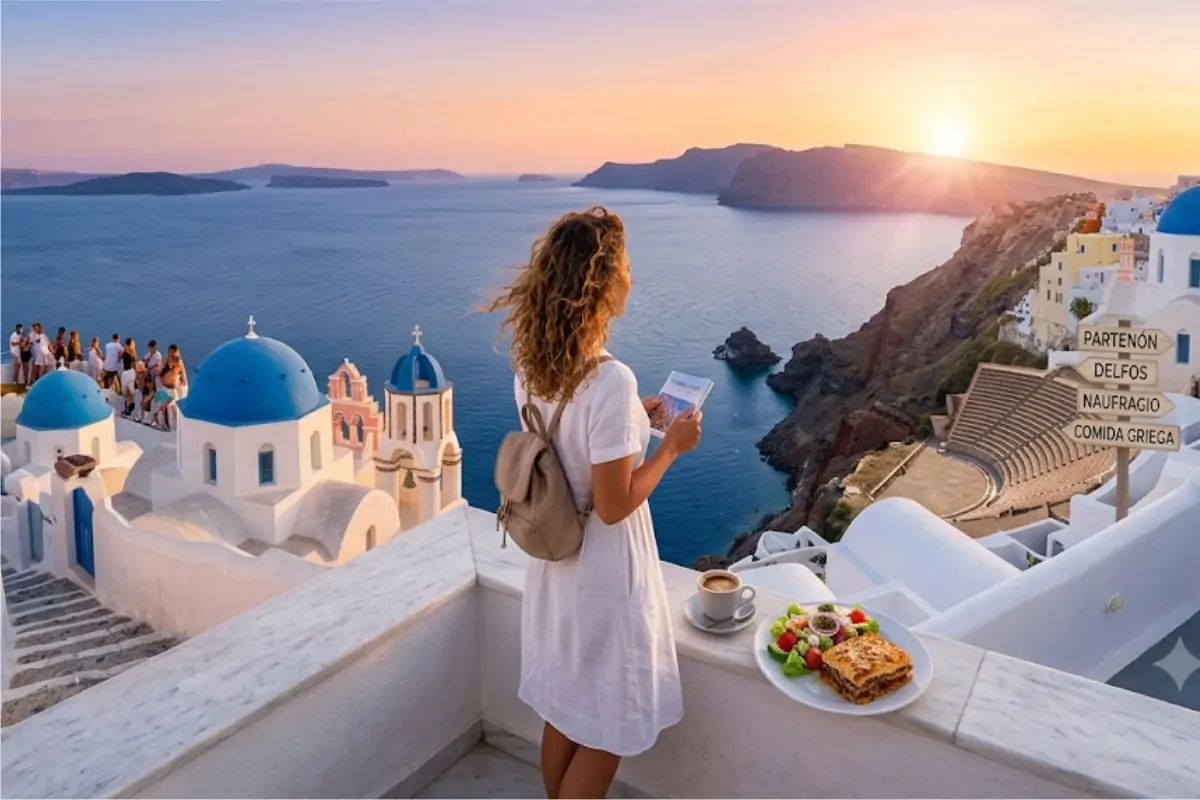
Yes, it’s crowded. Yes, it’s expensive. And yes, it still earns its fame. Whitewashed buildings, blue-domed churches and a sunset that turns the caldera gold are the reason people schedule entire holidays around this island.
Make it better:
- Skip the packed viewpoint in Oia at sunset if the crowds make you twitchy. Fira, Imerovigli and Firostefani offer beautiful views with more breathing room.
- Visit in shoulder season (late spring or early autumn) for better weather balance and fewer people.
- Walk the caldera path between Fira and Oia, a scenic hike that takes a few hours. Start early, bring water and wear sun protection.
- Book accommodation well ahead if you want a view. Prices climb quickly.
Here’s a nerdy bonus: Santorini’s famous shape comes from a massive volcanic eruption in ancient times. If volcanoes that rearrange the world fascinate you, readThe Year Without a Summer (1816): How a Volcano Chilled the World. Volcanoes, it turns out, have serious range.
4. Go Island Hopping (and Pick Your Personality)
Greece has thousands of islands, and each has its own mood. Don’t try to see them all. Choose two or three and let them breathe.
- Naxos:relaxed, great beaches, good food and a lovely old town
- Paros:pretty villages, laid-back beaches and easy ferry links
- Milos:striking volcanic landscapes and colourful fishing villages (more on this below)
- Crete:big enough to be its own trip (see below)
- Mykonos:nightlife, glamour and high prices
- Hydra:car-free, car-less charm, with donkeys and boats instead
Ferry tips:
- Book popular routes ahead in summer and always check the latest schedules, because ferries change with the season and weather.
- Strong summer winds (themeltemi) can delay or cancel sailings, so build buffer days around flights home.
- Pack light. Lugging a heavy suitcase over cobbled lanes and stairs is nobody’s idea of fun.
Packing light is an art. Brush up on25 classy and sassy life hacks every woman should know, and if you love an elevated holiday look, the10 jewellery styling rules that instantly make an outfit look more expensiveturn a plain linen dress into an outfit. Avoid the10 handbag styling mistakes, especially a heavy bag on a day of walking.
5. Gasp at the Monasteries of Meteora
Picture enormous rock pillars rising from the Thessaly plain, with centuries-old monasteries perched on top like they’re daring gravity to object. That’s Meteora, and it’s one of the most astonishing places in Europe.
Tips:
- Base yourself in Kalambaka or Kastraki and spend at least a night to catch sunrise and sunset from the viewpoints.
- Dress modestly when visiting monasteries (covered shoulders and knees). Many provide wraps, but bring your own scarf to be safe.
- Check opening days, since individual monasteries close on different days of the week.
- Wear good shoes. There are plenty of steps.
The mix of devotion and dramatic landscape here echoes spiritual places across the world. If you’re drawn to sacred stories, browse theSpiritualitysection,Top 10 Bhakti Stories From Hinduism That Still Give GoosebumpsandShani Shingnapur, the Indian village where no house has a door. If you love landscapes that look like another planet,China’s Floating Mountainsis a great companion read.
6. Walk Where the Oracle Spoke at Delphi
Delphi was once considered the centre of the world, a sacred site where people travelled from across the ancient Greek world to consult the oracle. Today it’s a hillside of ruins and mountain views that feel quietly powerful.
Visit the archaeological site and the museum, which houses impressive finds, then enjoy the surrounding scenery. Delphi works as a day trip from Athens, or you can stay overnight in the nearby town and enjoy it after the tour buses leave.
Pair it with a littlesilent walkingamong the ruins. Ancient sites make excellent places for quiet thinking.
7. Explore Crete, the Island That’s a Trip on Its Own
Crete is Greece’s largest island, with its own food, dialect and traditions. Visit Knossos, the Minoan palace complex near Heraklion, to step back into one of Europe’s earliest civilisations. Then head west for the old town of Chania, with its Venetian harbour, and beaches like Elafonisi and Balos, known for pale pink sand and turquoise water.
Tips:
- Rent a car if you want to explore beyond the main towns. Roads can be narrow and winding.
- The Samaria Gorge is a famous hike, but it’s seasonal and subject to weather conditions, so check the latest opening information before you plan around it.
- Try Cretan food, including dakos (barley rusks topped with tomato and cheese), local cheeses and olive oil. It’s often considered the heart of the Mediterranean diet.
Love food that doubles as health advice? Our guide to55 foods that fight inflammation, ranked by how easy they are to actually cookis a good companion. TheHealthsection has more.
8. Time-Travel Around the Peloponnese
This region is a history lover’s dream, with ancient sites, medieval towns and seaside villages within easy reach of Athens. Base yourself in Nafplio, a pretty coastal town with Venetian fortresses, neoclassical buildings and excellent cafés. From there, visit:
- Mycenae:the legendary kingdom of Agamemnon, with its famous Lion Gate
- Epidaurus:an ancient theatre with remarkable acoustics. Performances take place in summer, so check the festival schedule.
- Olympia:the birthplace of the Olympic Games, with a museum and sprawling ruins
Self-driving or joining a small-group tour both work well here. If you enjoy sites with layers of storytelling, theCultural Traveltag has more.
9. Find a Beach That Makes You Say “No Way”
Greece has beaches for every personality: lively and organised, wild and remote, pebbly and calm, red-cliffed and dramatic. Hunt for the one that suits you.
Ideas to get you started:
- Milos:Sarakiniko’s smooth white volcanic rock looks like the moon went to the sea. Check boat tour options for sea caves and hidden coves.
- Naxos:long sandy beaches, shallow water and a relaxed feel
- Zakynthos:the famous Navagio shipwreck beach, usually visited by boat. Check current access rules, since viewpoint and landing arrangements have changed over time.
- Crete’s Elafonisi and Balos:pink-tinged sand and lagoon-like water
Beach tips:
- Go early to claim a good spot and dodge the heat.
- Wear reef shoes if pebbles or rocks bother your feet.
- Reapply sunscreen. The Greek sun means business.
- Respect protected areas, wildlife and local rules, and take your rubbish with you.
For smart sun and skin care between swims, browse theSkin CareandHair Caresections, skip the10 skincare products you don’t actually needand avoidbeauty habits that quietly make you look older. If you care about the sea, considersustainable fashionfor your holiday wardrobe.
10. Master the Art of the Slow Evening
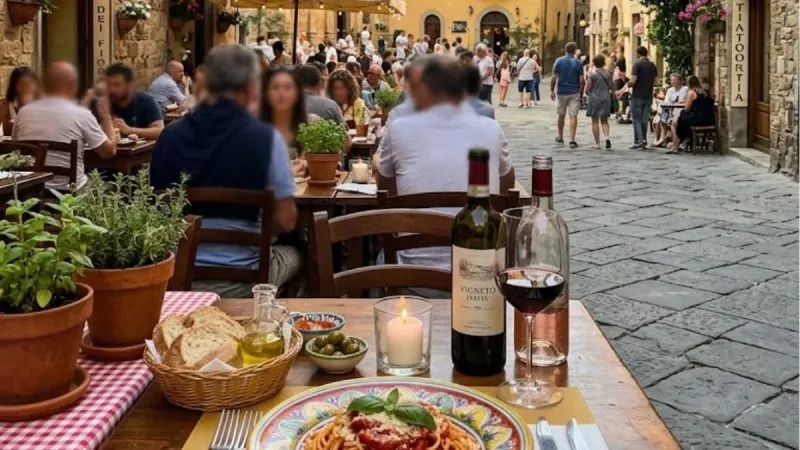
This is the real Greek secret. Nobody rushes dinner. Nobody hurries you out. Evenings are for long tables, plates in the middle, a glass of wine or ouzo, and conversation that wanders from politics to football to your grandmother’s recipe.
How to do it properly:
- Take a late afternoon rest, because the day doesn’t truly begin until the heat softens.
- Stroll the harbour or square before dinner. The eveningvolta(walk) is part of the ritual.
- Order slowly, share dishes and don’t ask for the bill unless you actually want to leave. Waiters generally won’t bring it until you ask.
- Linger. That’s the point.
If you’ve been running on fumes, this is exactly the medicine you need. Check11 signs you are mentally exhausted, even when you look fineand35 signs of burnout before it becomes a breakdown, and let Greece prescribe the cure. More gentle self-care awaits inSelf-CareandStress Management.
Practical Tips for First-Timers
- Best time to visit:Late spring (May to June) and early autumn (September to early October) usually offer warm weather, swimmable seas and fewer crowds than July and August. Peak summer is hot and busy.
- Getting around:Domestic flights, ferries, buses and rental cars all work. Check seasonal ferry schedules and book popular routes early.
- Money:Cards are widely used, but carry some cash for small tavernas, kiosks and island shops. Tipping is appreciated, typically a few euros or rounding up.
- Heat:Summer temperatures can be intense, especially in Athens. Schedule sightseeing for early morning or late afternoon.
- Dress code:Cover shoulders and knees at monasteries and churches. Pack light, breathable clothing and comfortable walking shoes.
- Toilet paper:In many places, used paper goes in the bin rather than the toilet because of old plumbing. Look for signs.
- Entry rules:Visa and travel authorisation requirements depend on your nationality and change over time. Check the official Greek embassy or government website before booking.
- Scams and safety:Watch your belongings in crowded areas and on public transport, agree taxi fares or use a ride app, and be cautious of overly friendly strangers offering “free” help or tours.
If you’re thinking about luxury comforts too, browse thetop 10 best airport lounges in the world, and for daydreams, peek at10 places the ultra-rich actually live. Greece’s yacht-filled harbours are a favourite of the wealthy. Budget-minded? Skim9 things you should stop buying if you want to build wealthbefore you book, and watch out for thepink taxwhen shopping for sun care and toiletries.
A Sample 10-Day Route (Steal It)
- Days 1 to 3:Athens, with a day trip to Delphi or Cape Sounion
- Days 4 to 6:Santorini, with time for the caldera walk and a sunset
- Days 7 to 8:Milos or Naxos for beaches and food
- Days 9 to 10:Return to Athens, or add Meteora if you have extra days
Got more time? Add Crete, Nafplio and the Peloponnese, or slow the whole thing down and see fewer places better.
Travelling Solo in Greece
Greece is popular with solo travellers, especially in well-visited areas and on the main islands, where tavernas, hostels and organised tours make meeting people easy. Standard precautions apply: plan late-night transport, keep valuables secure and check current advisories.
For more tips and encouragement, browse theSolo Travelsection and our guides tosolo travel for womenandWomen’s Safety Tips for Solo Trips in India. If you want to read about women who built something extraordinary, theWomen Change Makershub is a good place to start.
The Last Word
Greece rewards the traveller who slows down. See the Acropolis, yes, but also sit in a village square with a coffee and watch life happen. Take the ferry, miss the ferry and enjoy the extra swim. Eat the thing the owner recommends, even if you can’t pronounce it.
Pack light, wear sunscreen and leave room in your schedule for nothing. The best bits of Greece rarely appear on a checklist.
Want to share your own Greek adventure?Get featuredorwrite a guest postfor Real Shee Power. Got travel questions?Ask Shakti.
FAQ
How many days do you need in Greece for a first trip?
Ten days is a comfortable first trip, covering Athens plus two or three islands. If you have a week, focus on Athens and one island group.
What is the best time to visit Greece?
Late spring and early autumn offer warm weather, swimmable seas and fewer crowds than peak summer. July and August are hot and busy, and winter is quiet, with many island businesses closed.
Which Greek island is best for first-timers?
Santorini is famous for views, Naxos and Paros are relaxed and beginner-friendly, Milos is great for beaches and scenery, and Crete suits travellers who want variety. The best choice depends on your travel style and budget.
Is Greece expensive?
It can be affordable if you eat at local tavernas, use ferries and stay outside the most famous hotspots. Santorini and Mykonos cost significantly more, especially in peak season.
Is Greece safe for solo female travellers?
Greece is a popular destination for solo women, but normal precautions apply: stay aware in crowded areas, plan late-night transport and check current travel advisories before you go.
Do I need to book ferries in advance?
For popular routes in summer, yes. Check current schedules and book early, and leave a buffer day before flights in case of weather delays.