The Pink Tax: You’re Paying More for the Same Product, and Nobody Told You
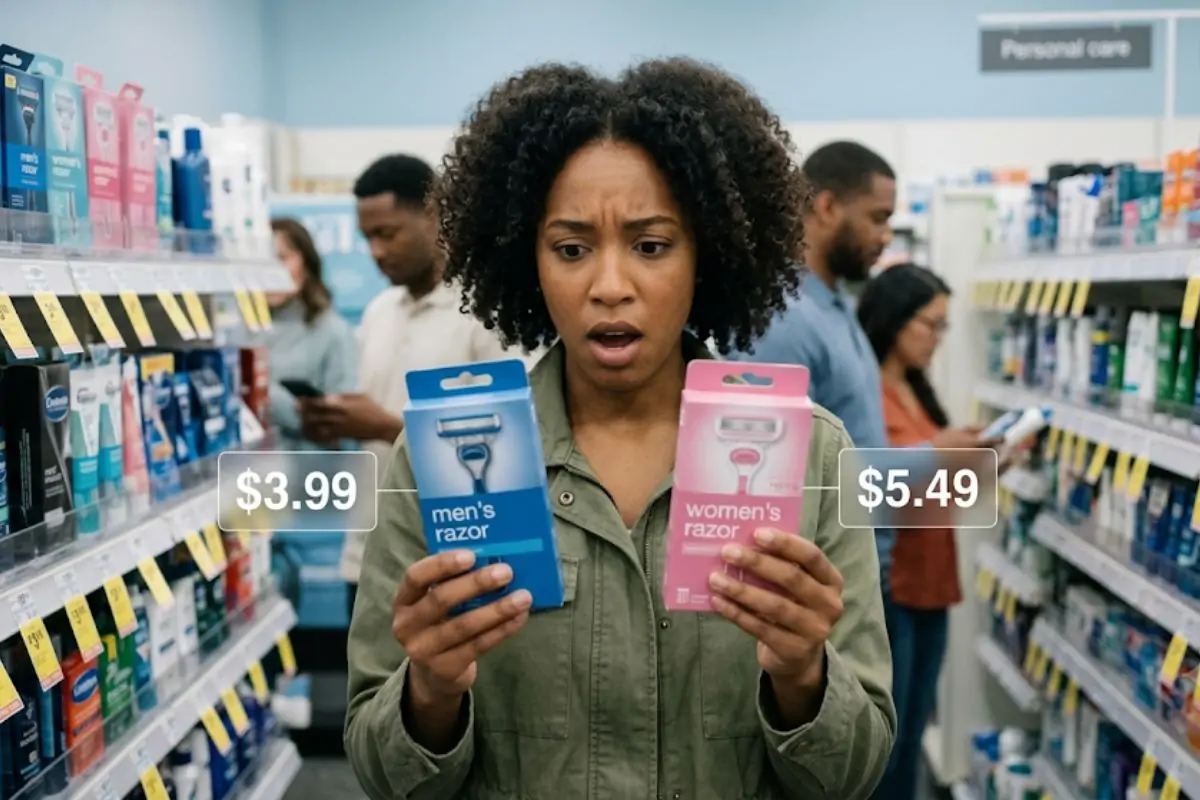
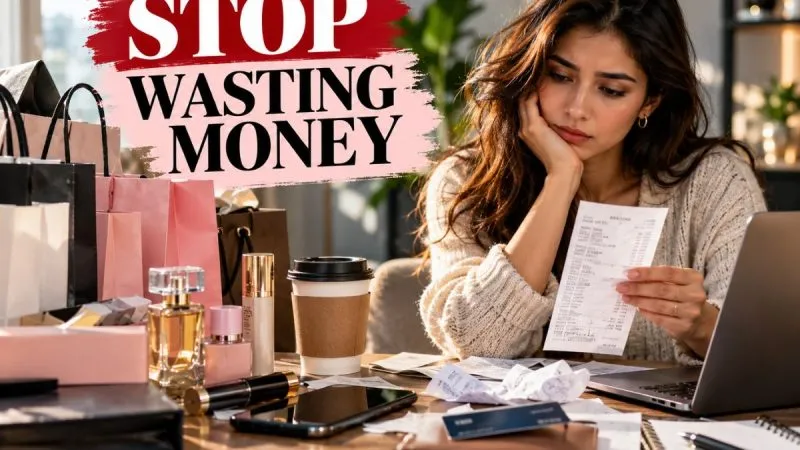
Walk down any supermarket aisle and look at the razors. One pack is blue, one is pink. The blades are nearly identical. The pink one costs more.
That gap has a name, and it isn’t an actual tax. It’s a pricing pattern that quietly drains women’s wallets every month, and most women have never been shown the receipts.
“The pink tax isn’t charged at the till. It’s built into the price tag before you ever pick the product up.”
What the Pink Tax Actually Is
The pink tax describes the habit of pricing products and services marketed to women higher than similar items marketed to men. Think razors, deodorant, shampoo, even some clothes and haircuts. It’s not a government levy. It’s a markup, and it works because it hides in plain sight behind packaging, scent and colour.
The name comes from the fact that so many of these products arrive in pink or purple.
“A markup you can’t see is a markup you won’t question.”
- The pink tax is a markup on women’s products, not a government tax
- A 2015 New York study found women’s products cost more 42 percent of the time, about 7 percent more on average
- Personal care items showed the biggest gap, at about 13 percent
- Only around 23 percent of people in India are aware of the term
- Comparing price per unit and buying the cheaper version is the simplest fix
The Study That Put Numbers on It
In 2015, the New York City Department of Consumer Affairs published “From Cradle to Cane: The Cost of Being a Female Consumer,” the first major study of its kind. Researchers compared nearly 800 products that came in clear male and female versions, from more than 90 brands, sold across about two dozen retailers.
The findings were hard to wave away:
- Women’s products cost more 42 percent of the time. Men’s products cost more 18 percent of the time.
- On average, women’s products cost about 7 percent more.
- Personal care products were the worst, at about 13 percent more.
- Adult clothing and senior and home healthcare products cost about 8 percent more.
- Toys and accessories cost about 7 percent more, and girls’ clothing about 4 percent more.
“Seven percent sounds small. Repeated across a lifetime of purchases, it isn’t.”
It Starts Before Adulthood
What makes the data uncomfortable is how early it begins. The study’s own title, “Cradle to Cane,” refers to the fact that the gap shows up from girls’ toys and clothing right through to products for older women. There’s no stage of life where it politely switches off.
“The gap doesn’t wait for you to grow up. It follows you from the toy aisle to the pharmacy.”
Same Product, Different Label
The most irritating examples are the near-identical ones. A pink razor priced above its blue twin. Women’s deodorant costing more than men’s, despite similar ingredients. Other research has found that hair care products cost women much more on average, and razor cartridges also carried a notable premium.
Companies defend the difference by pointing to different formulations, scents or branding. Sometimes that’s fair. But when the ingredient list barely changes, the main thing you’re paying for is the label.
“If the only difference is the colour of the bottle, the extra money is paying for the colour.”
What About India?
In India, research on the pink tax is thinner, but it points the same way. Surveys suggest only around 23 percent of people are even aware of the term. A study using household data from 2015 to 2022 found indirect evidence that women often paid more for certain products, though the size of the gap varied widely from state to state, so treat any single figure with caution.
There’s also the other meaning of the phrase: tax on essentials. Sanitary napkins were taxed at 12 percent under GST before being exempted in 2018, after sustained public pressure. It’s proof that campaigning can change policy.
“The pink tax thrives on silence. Once it’s named, it gets harder to defend.”
Why It Survives
Companies charge more because they can. Research suggests women are willing to pay more for personal care products, and marketing reinforces that. Add the fact that gendered products are rarely sold side by side in the same aisle, and comparing prices takes effort most people don’t have time for.
Women also earn less on average, so the same markup lands harder.
“Charging more to people who earn less isn’t a pricing quirk. It’s a compounding disadvantage.”
What Governments Have Done
Some places have acted. New York and California have laws against charging women more for similar services, but those rules mostly don’t cover physical products. In France, a petition with more than 45,000 signatures pushed the government to investigate, and the minister for women’s rights publicly asked, “Is pink a luxury color?”
How to Avoid Paying It
You can’t fix the system alone, but you can stop volunteering for the markup.
- Compare the male and female versions.Check the ingredients and the price per unit, not the colour.
- Buy the cheaper version.If the men’s or unisex razor does the job, use it.
- Check the price per ml or gram.Packaging sizes hide differences.
- Ask before you book.Salons and dry cleaners often price by gender. Ask for the service menu.
- Say it out loud.Share price gaps you spot, tag the brands, and complain to the retailer.
“The most powerful thing you can do is look at the price per unit and ignore the packaging.”

FAQ
Is the pink tax a real tax?
No. It’s a pricing pattern, not a government levy.
How much more do women pay?
A 2015 New York study found about 7 percent more on average, and 13 percent more for personal care products.
Does it exist in India?
Evidence is limited but points to price gaps, with big variation across states.
Is the pink tax illegal?
In most places, charging more for products is legal. Some jurisdictions restrict gender-based pricing for services.
How can I avoid it?
Compare unit prices, check ingredients, and choose the cheaper equivalent.