Saare Jahan Se Accha Review: A Stellar Espionage Saga with Unforgettable Characters
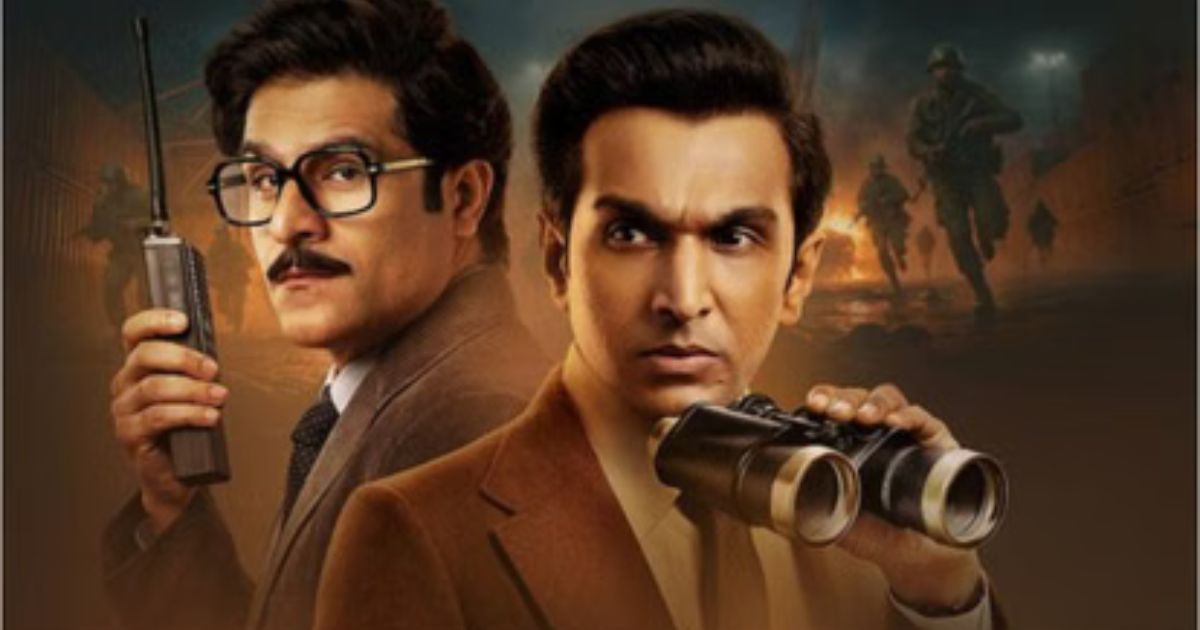
Saare Jahan Se Accha, Netflix’s riveting espionage thriller released on August 13, 2025, is a masterclass in character-driven storytelling, set against the high-stakes backdrop of 1970s geopolitics. Created by Gaurav Shukla, directed by Sumit Purohit, and boasting a stellar ensemble led by Pratik Gandhi, Sunny Hinduja, and Suhail Nayyar, this six-episode series transforms the familiar terrain of India’s Research and Analysis Wing (R&AW) into a gripping, humanized portrait of courage, cunning, and sacrifice. Inspired by real events surrounding India’s efforts to counter Pakistan’s nuclear ambitions, the show transcends the spy genre with its richly drawn characters and meticulous period detail, earning its place as one of Netflix’s finest Indian originals.
Plot and Setting
Set in the late 1960s to early 1970s, Saare Jahan Se Accha follows Vishnu Shankar (Pratik Gandhi), a brilliant R&AW counterintelligence officer tasked by agency chief RN Kao (Rajat Kapoor) with infiltrating Pakistan to uncover its nuclear program. The narrative weaves fictional drama with historical touchstones—Homi J. Bhabha’s death, the 1971 Indo-Pak war, and R&AW’s formation—creating a vivid, immersive world of espionage. From smoky Delhi offices to Karachi’s bustling streets, the series captures the era’s paranoia and stakes, with every coded message and covert meeting amplifying the tension. While the plot treads familiar spy territory, its strength lies in its characters, who breathe life into every frame, making the geopolitical chess game feel deeply personal.
Characters and Performances: A Triumph of Talent
The heart of Saare Jahan Se Accha is its ensemble, each actor delivering a performance that elevates the series to exceptional heights. Pratik Gandhi, as Vishnu Shankar, is a revelation, embodying a spy whose quiet intellect and steely resolve mask a profound sense of duty. Unlike flashier espionage heroes, Vishnu is understated yet magnetic, conveying volumes with a furrowed brow or a calculated pause. Gandhi’s ability to balance strategic cunning with subtle vulnerability—especially in scenes grappling with the toll of his covert life—makes Vishnu a protagonist you root for unequivocally. His performance rivals his iconic turn in Scam 1992, cementing him as one of India’s finest actors.
Sunny Hinduja, as ISI chief Murtuza Malik, is nothing short of electrifying. His portrayal is a masterclass in controlled menace, with every word and glance dripping with calculated intent. Murtuza isn’t a cartoonish villain but a formidable adversary whose patriotism mirrors Vishnu’s, creating a gripping cat-and-mouse dynamic that crackles with tension. Hinduja’s ability to humanize a ruthless operative—through fleeting moments of doubt or pride—adds layers to a character who could have been one-note.

Suhail Nayyar delivers the series’ most captivating performance, playing the dual role of Indian spy Sukhbir and his undercover alias, Rashid. Nayyar imbues Sukhbir with street-smart charisma and fierce loyalty, while his Rashid is a chameleon, navigating danger with heartbreaking conviction. His arc is the emotional core of the series, and Nayyar’s seamless transitions between identities showcase a rare versatility that deserves every accolade.
Rajat Kapoor, as R&AW chief RN Kao, is a commanding presence, exuding gravitas and wisdom. His portrayal captures the weight of leading a fledgling agency in a volatile era, with every decision carrying the fate of a nation. Kapoor’s understated intensity makes Kao a figure of quiet heroism, grounding the series’ grand stakes in human resolve.
The supporting cast is equally phenomenal. Anup Soni, as a compromised Pakistani officer, delivers a tragic, nuanced performance that tugs at the heartstrings, turning a minor role into a memorable one. Ninad Kamat and Atul Kumar shine in smaller roles as operatives, adding depth to the R&AW team’s camaraderie.
Tillotama Shome, as Vishnu’s wife Mohini, brings emotional heft to her scenes, portraying a woman whose strength anchors her husband’s perilous world. Though her screen time is limited, Shome’s expressive performance ensures Mohini is unforgettable. Kritika Kamra, as journalist Fatima Khan, is a fiery addition, her investigative zeal adding a fresh perspective to the espionage narrative. While her arc feels slightly underdeveloped, Kamra’s charisma and conviction make every moment count, and the series wisely avoids reducing her to a romantic subplot, keeping her role professional and integral.
Writing and Direction: Crafting Characters with Care
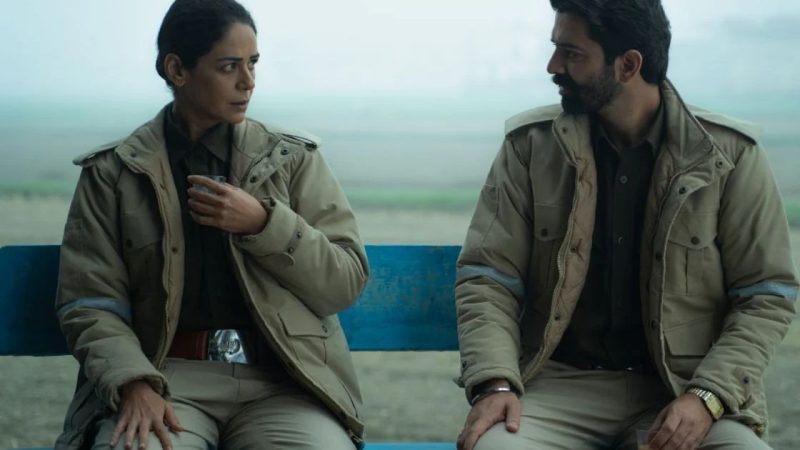
Gaurav Shukla and his writing team deserve praise for crafting characters that feel like living, breathing people rather than genre archetypes. The dialogue, while occasionally cinematic, is sharp and purposeful, with lines like “our country changes PMs faster than the weather” landing with wit and context. Sumit Purohit’s direction is impeccable, using moody lighting, tight framing, and period-accurate sets to immerse viewers in a world of espionage. The pacing is relentless, with each 45-minute episode ending on a cliffhanger that demands a binge. The series avoids jingoistic pitfalls, focusing instead on the human cost of spying—sacrificed families, moral gray zones, and relentless pressure—making its patriotism feel earned and authentic.
Recommended Read

Themes and Impact: Celebrating Unsung Heroes
Saare Jahan Se Accha is a heartfelt tribute to R&AW’s unsung operatives, highlighting their sacrifices without glorifying war. The series excels at showing the personal toll of espionage—Vishnu’s strained family life, Sukhbir’s isolation, Kao’s burden of command—while tying it to the larger narrative of national security. Its release on Independence Day amplifies its resonance, but it never feels preachy, letting its characters’ actions speak louder than slogans. The show’s ability to balance historical fidelity with emotional storytelling makes it a standout, resonating with both Indian audiences and global viewers who appreciate nuanced spy dramas.
Minor Critiques
If there’s a flaw, it’s that the female characters, while brilliantly acted, could have more screen time to match the men’s depth. Fatima’s investigative thread and Mohini’s emotional arc feel slightly curtailed, though both actresses make the most of their roles. The plot, while engaging, leans on familiar spy beats—double-crosses, coded messages—that may feel predictable to genre veterans. Yet, these are minor quibbles in a series that excels in execution and emotional impact.
Final Verdict: 4.2/5
Saare Jahan Se Accha is a triumph of character-driven storytelling, elevated by a phenomenal cast that brings India’s espionage history to life. Pratik Gandhi, Sunny Hinduja, Suhail Nayyar, and the ensemble deliver performances that linger long after the credits roll, making every tense moment and quiet sacrifice unforgettable. While it doesn’t reinvent the spy genre, its heart, craft, and authenticity make it one of Netflix’s most compelling Indian offerings. This is a series that honors its heroes while captivating its audience, deserving a spot on every thriller fan’s watchlist.