Delhi-NCR Chokes Under Toxic Air Pollution: Worst Air Quality of the Season Triggers Strictest Emergency Measures
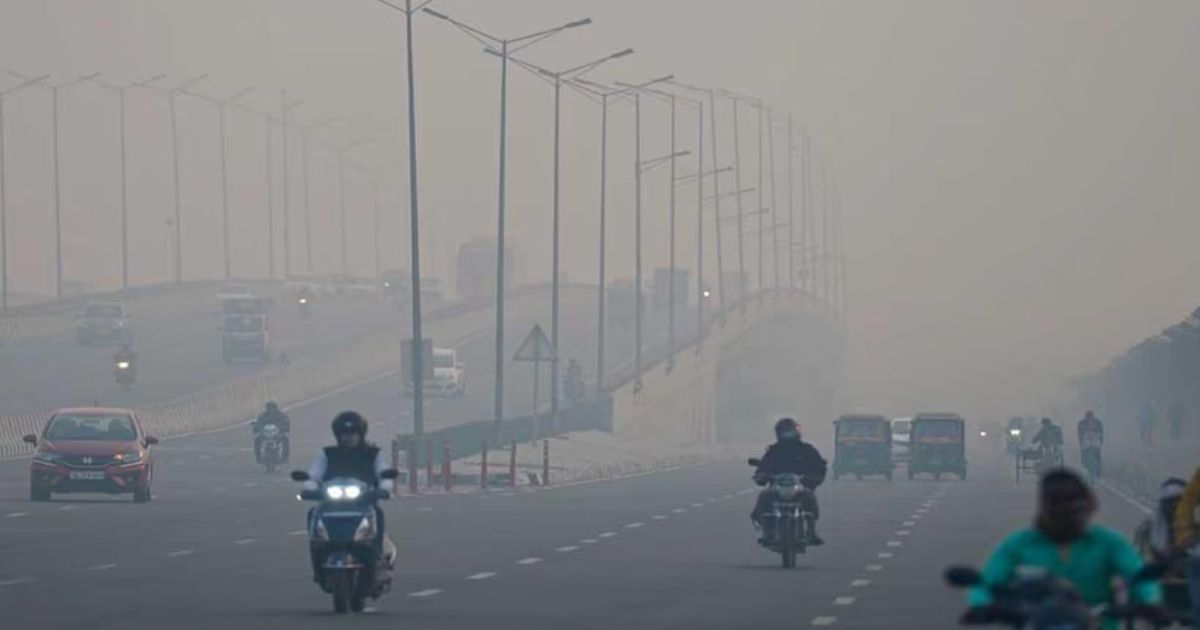
As winter tightens its grip on northern India, the National Capital Region (NCR) has once again plunged into a severe air pollution crisis. On December 13, 2025, Delhi recorded its poorest air quality of the season, with the 24-hour average Air Quality Index (AQI) surging to 431 in the ‘severe’ category, before climbing further into ‘severe+’ territory above 450. This rapid deterioration prompted authorities to escalate restrictions dramatically, invoking Stage IV of the Graded Response Action Plan (GRAP)—the most stringent level of emergency measures designed to combat hazardous air.
The Commission for Air Quality Management (CAQM) acted swiftly, first implementing Stage III early on December 13 as the AQI crossed 400, and then upgrading to Stage IV by evening as levels breached 450. Hotspots like Anand Vihar registered an alarming AQI of 488, while areas such as Bawana and Chandni Chowk hovered in the high 400s. Visibility dropped sharply, with dense smog enveloping landmarks like India Gate and Kartavya Path.
Understanding the Crisis: Causes Behind the Seasonal Spike
Delhi’s winter air pollution is a complex interplay of local emissions, regional factors, and unfavorable weather. Calm winds, low temperatures, and a stable atmosphere create an inversion layer that traps pollutants close to the ground, preventing dispersion. This year, meteorological conditions—slow wind speeds and high moisture—have exacerbated the problem, turning the city into a virtual pollution trap.
Key contributors include:
- Vehicular Emissions: Studies, including recent analyses from the Centre for Science and Environment (CSE), indicate that traffic is the dominant local source, especially during peak hours. Nitrogen oxides and carbon monoxide from vehicles correlate strongly with PM2.5 spikes, contributing significantly more than often-blamed factors like stubble burning.
- Construction and Dust: Road dust, construction activities, and resuspended particles from unpaved areas add to the particulate load.
- Industrial and Other Sources: Emissions from industries, waste burning, and biomass combustion play roles, though stubble burning in neighboring states like Punjab and Haryana has been notably lower this season due to disrupted crop cycles from earlier floods.
While stubble burning has historically drawn attention, data shows its contribution has declined, shifting focus to year-round local sources that demand sustained action.
Emergency Measures: What Stage IV GRAP Entails
GRAP is a tiered framework with four stages, escalating as AQI worsens. Stage IV, triggered above 450, builds on previous restrictions and introduces the harshest curbs:
- Complete Ban on Construction: All construction and demolition activities halted across the NCR, including stone crushers and mining operations.
- Vehicle Restrictions: Ban on BS-III petrol and BS-IV diesel four-wheelers in Delhi and key NCR districts (Gurugram, Faridabad, Ghaziabad, Gautam Buddh Nagar). Entry of non-essential trucks restricted, except for BS-VI compliant or essential services vehicles.
- Education Shift: Mandatory hybrid mode for schools—classes up to Grade 5 (and in some cases higher) combine physical and online learning, with options for fully remote attendance to minimize children’s exposure.
- Work-from-Home Encouragement: Governments in NCR states and Delhi directed to allow 50% staff in public, municipal, and private offices to work remotely.
- Additional Options: Authorities may consider closing colleges, suspending non-essential activities, or implementing odd-even vehicle rationing if conditions persist.
These measures aim to curb emissions at source while protecting vulnerable groups.
Health Impacts: A Silent Public Health Emergency
An AQI in the ‘severe’ range affects even healthy individuals, causing respiratory irritation, reduced lung function, and aggravated conditions like asthma. Vulnerable populations—children, the elderly, and those with pre-existing illnesses—face heightened risks of hospitalization. Reports indicate spikes in respiratory cases, with doctors advising limited outdoor activity, mask usage (preferably N95), and air purifiers indoors.
Long-term exposure to PM2.5 is linked to cardiovascular diseases, lung cancer, and reduced life expectancy. Delhi’s recurring crises underscore the urgency for systemic change beyond seasonal fixes.
Looking Ahead: From Emergency to Sustainable Solutions
While GRAP provides immediate relief, experts emphasize the need for long-term strategies: accelerating vehicle electrification, expanding public transport, enforcing stricter industrial norms, and promoting cleaner fuels. Regional cooperation to manage agricultural residue and dust control remains crucial.
As of December 14, 2025, forecasts suggest persistent ‘severe‘ conditions unless winds pick up. Residents are urged to follow guidelines, use public transport, and report violations. Delhi’s battle against pollution is far from over, but concerted efforts could pave the way for cleaner winters ahead.