Shadows Over Sanctuary: The Abduction of Maga’s Daughters and the Fight for Girls’ Futures in Nigeria
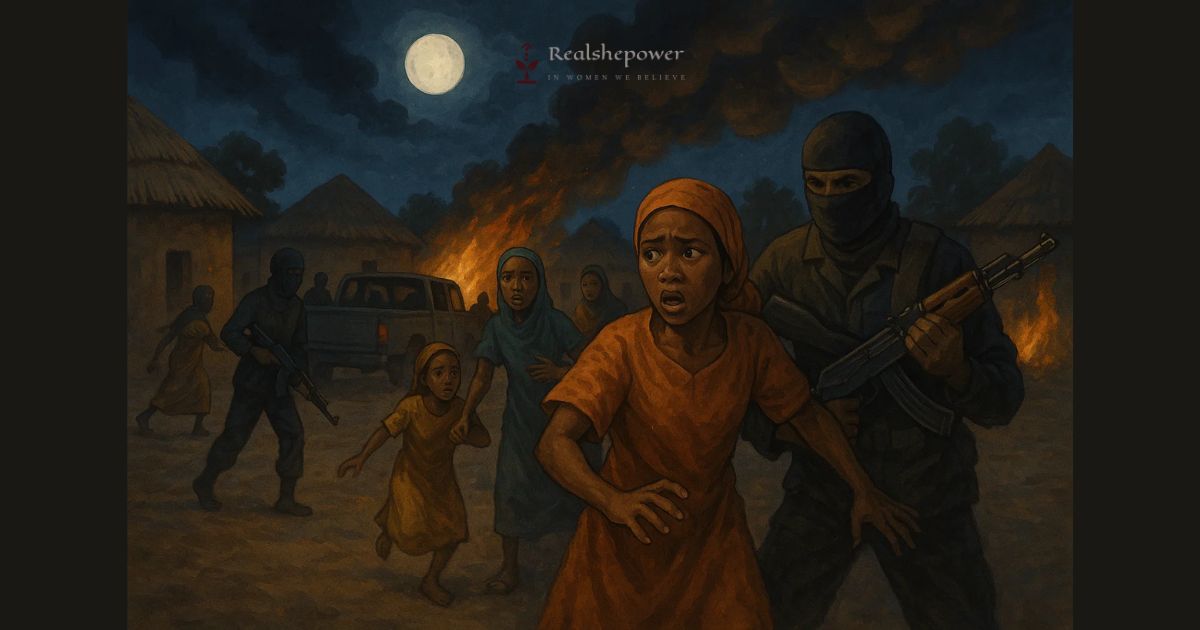
In the pre-dawn hush of November 17, 2025, the sleepy town of Maga in Nigeria’s Kebbi State shattered under the roar of motorcycle engines and the crack of gunfire. Armed bandits, scaling the fences of the Government Girls Comprehensive Secondary School (GGCSS), stormed the girls’ dormitory, herding at least 25 terrified students—aged 12 to 17—into the darkness. In their path stood Vice Principal Malam Hassan Yakubu Makuku, a father figure to hundreds, who paid the ultimate price for his bravery. Shot dead as he shielded his charges, his death left a widow, Amina Hassan, cradling their young daughter amid the chaos, her voice breaking in interviews as she recounted the “blood on the floor where he fell.”
This brazen assault, the first major school abduction in Kebbi since 2021, echoes the ghosts of Chibok in 2014, where Boko Haram seized 276 girls, igniting a global cry for justice that still resonates a decade later. But in Maga, the perpetrators are not ideologues cloaked in religious fervor alone; they are “economic terrorists,” as Kebbi South Senator Garba Maidoki termed them—ruthless gangs exploiting Nigeria’s fractured northwest for ransom, dominance, and survival in a land scarred by resource wars and neglect. These bandits, often former herders radicalized by farmer-herder clashes, view schools as “strategic” prizes: soft targets that amplify fear and fetch fortunes in payoffs, sometimes totaling millions of naira per victim.
A Trail of Resilience Amid Despair
As the sun rose on that fateful Monday, two beacons of hope pierced the gloom. One girl, her name withheld for safety, slipped her captors’ grasp during the frantic escape into nearby forests, trekking miles through underbrush to rejoin her family by evening. A second escaped hours later, her story a testament to the unyielding spirit of youth. Yet for the remaining 23, the ordeal endures. Parents like Abdulkarim Abdullahi Maga, whose daughter and granddaughter were among the taken, huddle outside the school’s bullet-riddled hostels, their pleas raw: “They are our future—bring them back before it’s too late.”
The attack’s precision was chilling. Gunmen, armed with rifles and arriving on motorcycles, struck at 4 a.m., just 45 minutes after a military patrol inexplicably withdrew from the premises—despite a prior Department of State Services (DSS) alert of imminent threats. They first targeted the vice principal’s quarters, then the guard post, killing Ali Shehu in a hail of bullets before ransacking the dorms. No group has claimed responsibility, but locals point to gangs operating from hideouts in bordering Zamfara and Sokoto states, where over 64 villagers were snatched in a parallel raid the same day.
The Escalating Siege on Education and Girls’ Dreams
This is no isolated horror. Just four days later, on November 21, over 300 students and 12 teachers vanished from St. Mary’s Catholic School in neighboring Niger State’s Papiri community—a staggering escalation that dwarfs even Chibok, with 50 escaping by November 23 but 253 still captive. Authorities in Kebbi, Niger, Katsina, Yobe, and Kwara have shuttered schools, stranding thousands of girls who, in a region where female literacy hovers at 20%, see education as their sole ladder out of poverty.
For Nigeria’s girls, these abductions are more than theft—they are an assault on agency. Since 2014, over 1,500 students have been kidnapped nationwide, with girls disproportionately bearing the trauma: forced marriages, pregnancies, and psychological scars that derail futures. In Kebbi’s 2021 Tegina abduction, over 100 were taken; many returned with babies, their dreams deferred by stigma and survival. As security analyst Bulama Bukarti notes, “These gangs hold children for weeks, even months, extorting ransoms while eroding trust in the state.” The federal ban on ransom payments, enacted years ago, rings hollow when families whisper of unofficial “deals” to secure releases.
Rescue Efforts: Valor, Setbacks, and a Nation on Edge
Nigeria’s response has been swift but shadowed by setbacks. Hours after the Maga raid, police, military under Operation Fasan Yamma, and local hunters launched a multi-pronged hunt through forests and escape routes. Chief of Army Staff Lt. Gen. Waidi Shaibu descended on Kebbi, vowing, “Success is not optional—we will leave no stone unturned.” President Bola Tinubu, postponing his G20 trip to South Africa, dispatched Vice President Kashim Shettima and Minister of State for Defence Bello Matawalle to oversee operations, while ordering 30,000 new police recruits to bolster forces.
Yet cracks emerged. On November 19, troops en route to the rescue site were ambushed, injuring several soldiers and killing a brigadier general—a stark reminder of the bandits’ intelligence edge. Governor Nasir Idris decried “sabotage,” demanding probes into the pre-attack troop pullout. Internationally, the U.S. condemned the raids—both Maga and Papiri—pledging intelligence and equipment support, amid President Trump’s prior threats of intervention over perceived Christian persecution (though Maga’s victims are predominantly Muslim).
On X, voices amplify the urgency: “Schools are no longer safe—from Chibok to Maga,” one user lamented, while another shared haunting images of the ransacked dorms, urging, “Protect our girls before it’s too late.” The Arewa Take-It-Back Movement decried “systemic rot,” calling for surgical rescues and a ransom ban enforcement.
Beyond Rescue: Reclaiming Tomorrow for Nigeria’s Girls
As search teams comb the bush, the real battle is for the soul of a nation that dares to educate its daughters. These abductions weaponize vulnerability, but they also forge solidarity—from Maga’s mourning mothers to Papiri’s resilient escapees. Experts like Bukarti advocate community intelligence-sharing and economic interventions to starve the gangs’ roots. For girls like those in Maga, whose empty beds mock the promise of classrooms, the demand is clear: Fortify schools, not just with guns, but with policies that value female education as a bulwark against poverty and extremism.
Amina Hassan, staring at the bloodstained room where her husband fell, whispers a fierce vow: “My daughter will go back to school. They all will.” In her words lies the unquenchable fire of RealShePower—a call to arms for every woman, every advocate, every leader: Bring our girls home, and build a Nigeria where no dormitory becomes a battlefield.
RealShePower stands in solidarity with the families of Maga and beyond. Donate to verified relief efforts via the Nigerian Red Cross or follow #BringBackMagaGirls for updates.

Chimamanda Ngozi Adichie – Biography
Explore the life, works and feminist legacy of world-renowned writer Chimamanda Ngozi Adichie — a must-read for every aspiring woman leader.