Terror Strikes Delhi and Kashmir: The Facts Behind the Blasts
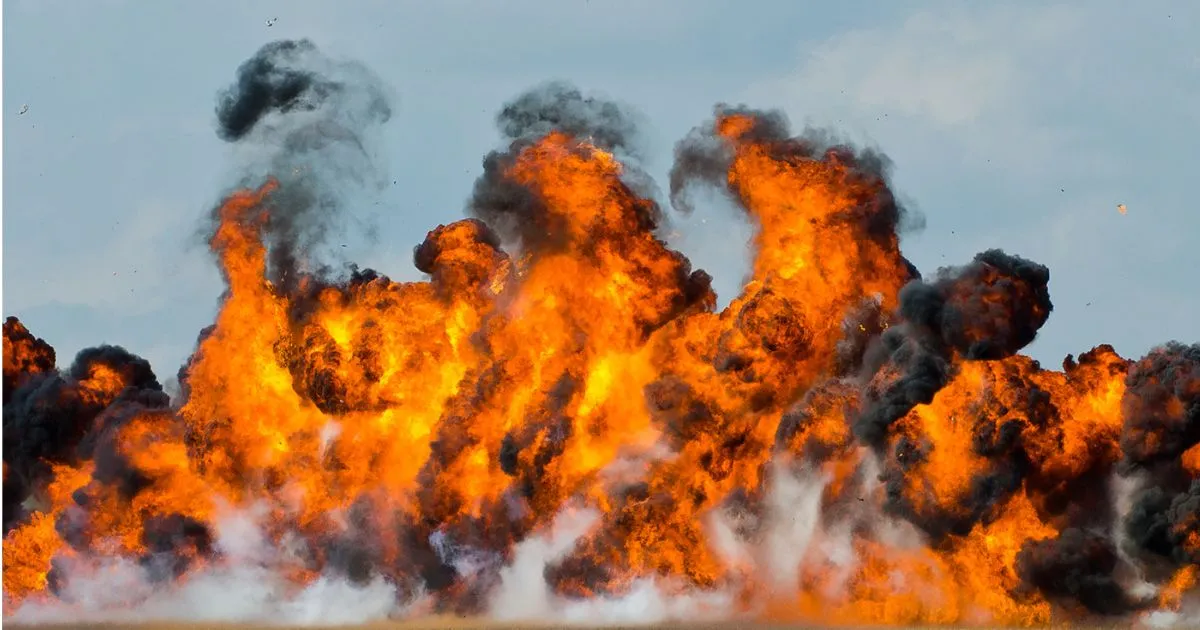
In the last 72 hours India faced two deadly explosions. The first was a suicide bomb in Delhi on November 10 evening. The second was an accidental blast in Srinagar on November 14 night. Both killed innocent people. Both were linked to the same terror group. This is what happened.
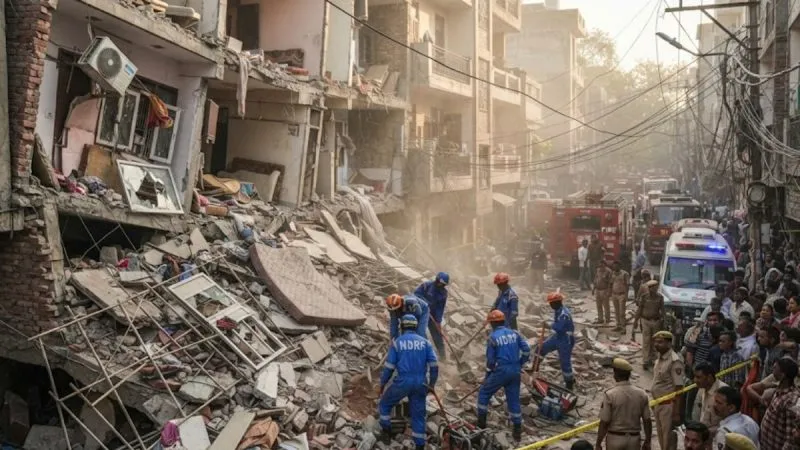
On November 10 at 6:52 PM a white Hyundai i20 car stopped at a traffic light near Gate 1 of Lal Quila Metro Station in Delhi. Inside was Dr. Umar Nabi, a 29-year-old doctor from Pulwama in Jammu and Kashmir. He worked as a lecturer at Al-Falah University in Faridabad. The car was packed with over 200 kg of ammonium nitrate mixed with fuel oil and fitted with electronic detonators. Nabi triggered the bomb.
The explosion killed 13 people and injured more than 20. Victims included Lokesh Agrawal, a shopkeeper from Uttar Pradesh, and Ashok Kumar, a DTC bus conductor. The blast destroyed the car and set fire to 12 nearby vehicles. Shrapnel flew hundreds of meters. Forensic teams found Nabi’s body parts and confirmed his identity through DNA.
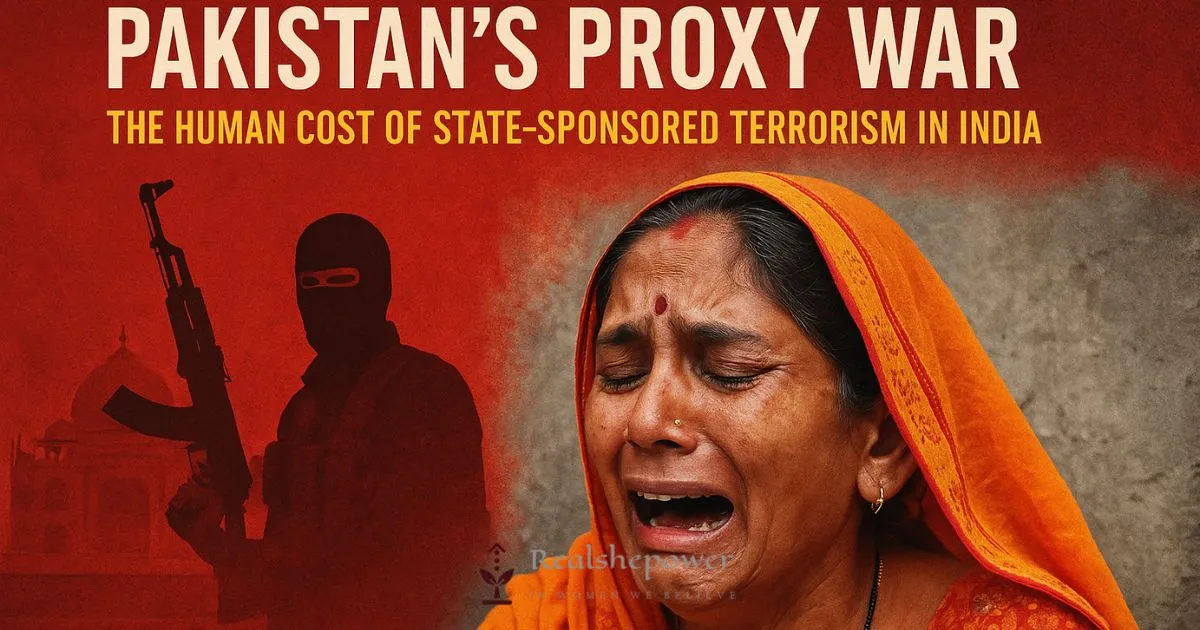
Investigators say Nabi did not act alone. He was part of a Jaish-e-Mohammed (JeM) module. JeM is a Pakistan-based terror group founded by Masood Azhar. It has carried out major attacks in India including the 2001 Parliament attack and the 2019 Pulwama bombing that killed 40 CRPF soldiers. This time JeM used educated professionals to plan the strike. Nabi and three other doctors bought explosives in small batches to avoid suspicion. They stored them in rented houses and hospital lockers. They used Telegram channels run from Pakistan to get orders and money through hawala.
Police got the first lead on October 19 when they found JeM posters in Srinagar’s Nowgam area. On November 9 they arrested seven men in Jammu and Kashmir, Haryana, and Uttar Pradesh. Among them were Dr. Muzammil Ahmad Ganai from Faridabad who had 358 kg of ammonium nitrate at his home, and Dr. Adil Ahmad Rather from Kulgam who carried an AK-47. A day later on November 10 Nabi panicked. He switched off his phone and drove to Delhi. He was supposed to wait for a bigger crowd but police raids forced him to act early. The bomb went off at the traffic signal instead of a crowded market.
The National Investigation Agency took over the case. Home Minister Amit Shah called it a terrorist attack by anti-national forces. Prime Minister Narendra Modi said the guilty will face full punishment. Red Corner Notices were issued for suspects hiding abroad. The Medical Council cancelled the licences of the four arrested doctors.
Then on November 14 at 11:20 PM another blast hit Srinagar. This time it was inside Nowgam Police Station. Police had seized explosives from the JeM module and kept them in the station for testing. During a routine check by the Forensic Science Laboratory team the ammonium nitrate caught fire and exploded. Nine people died including two FSL experts, police officers, and a local official. Twenty-nine were injured. The blast broke windows in nearby houses and damaged vehicles in the compound. Police chief Nalin Prabhat said it was an accident. There was no terror angle. The chemicals were unstable and ignited during sampling.
These two blasts are connected. The explosives in Srinagar came from the same JeM network that bombed Delhi. Over 20 more suspects are in custody across Kashmir. Police demolished Nabi’s family house in Pulwama as punishment for sheltering a terrorist. People in Kupwara and Ganderbal held protests against JeM. They said no religion allows killing of innocents.
The Delhi attack was the first major blast in the capital since 2011. It shows terrorists now use doctors and teachers to hide. Security agencies must watch radical groups in colleges and hospitals. India must keep pressure on Pakistan to shut down JeM camps. The dead deserve justice. The country demands action. Terrorists who hide behind education or faith must be hunted down without mercy. India will not bow.